Cyclospora has been making headlines recently as a multistate outbreak of cyclosporiasis continues to grow. The illness, caused by the parasite Cyclospora, can lead to severe diarrhea, nausea, vomiting, fatigue and body aches. You can read more about Cyclospora from the International Fresh Produce Association.
Based on traceback information, investigators recently identified shredded iceberg lettuce from Taylor Farms de Mexico as the source of the outbreak. The lettuce was grown at a farm in Central Mexico, and a large percentage of the lettuce was supplied to Taco Bell and other food establishments across the country. Taylor Farms voluntarily recalled iceberg lettuce grown in Central Mexico on July 17, and Taco Bell has removed implicated lettuce from its restaurants. As of July 20, no lettuce samples have tested positive for Cyclospora.
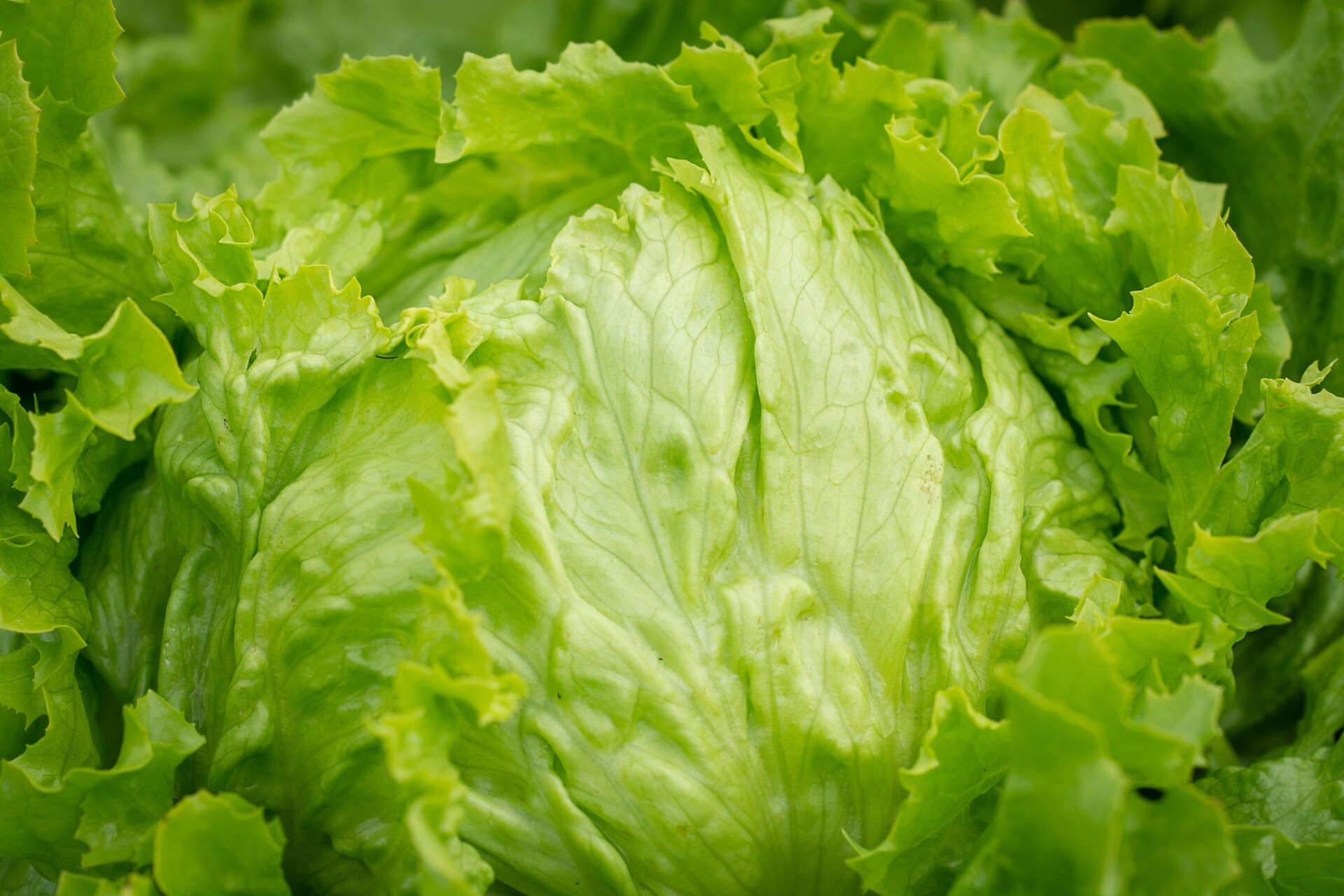
Figure 1: Iceberg lettuce (Image source: Pixabay).
What can consumers do to reduce their risk of cyclosporiasis?
- Wash fresh produce under cool, running water following FDA produce preparation guidelines.
- When using head lettuce, remove the outer 2–3 leaves before preparing it.
- At this time, avoid eating lettuce served at Taco Bell restaurants in Indiana, Kentucky, Michigan, Ohio, and West Virginia, per a CDC alert issued on July 17.
- Stay informed on the latest updates from public health officials as the investigation continues, and avoid eating any produce that is known to be implicated in the outbreak. Pay attention to the produce type, supplier, country of origin, lot code, and expiration date as appropriate. Visit the CDC website for more information on the outbreak, and check the FDA investigation webpage for the latest investigation findings.
- If you develop severe symptoms or symptoms that persist for several days, contact your healthcare provider.
How can growers prevent Cyclospora contamination?
Cyclospora contamination can happen on a farm if growers use contaminated water or if workers do not follow good agricultural practices. Here are a few quick tips growers can use to prevent produce contamination with Cyclospora and other pathogens:
- Workers must follow good hygiene practices by washing their hands thoroughly and often, especially after using the toilet. Urination and defecation must be in a toilet facility, never in or near the field.
- Workers must never handle fresh produce on the farm if they are exhibiting symptoms of illness, including diarrhea, nausea, vomiting, or fever.
- Farms should monitor their water quality throughout the growing season and avoid using contaminated water on fresh produce during growing or postharvest operations.
- Clean and sanitize food-contact surfaces regularly with clean, potable water.
Our partners at Michigan State Extension have created videos and resources to help growers reduce the risk of Cyclospora contamination on the farm. For more information, visit the Michigan State Cyclospora webpage.