Pumpkin and other cucurbit production in Indiana often involves intensive soil preparation to create a warm, weed-free seedbed. However, increasing interest in soil health, cover crops, and reduced tillage has led some growers to consider a different approach: planting pumpkins into a terminated cereal rye cover crop using no-till or strip-till practices. Planning for this production system starts with establishing the fall cover crop.
This system offers several potential advantages for growers. A well-established cereal rye cover crop can protect soil from erosion, suppress weed challenges, conserve soil moisture, and reduce soil disturbance. At the same time, planting a warm-season vegetable crop into heavy rye residue creates challenges to consider before adopting the practice across an entire operation.
Why Cereal Rye in Indiana?
Cereal rye is one of the most used winter cover crops in Indiana. It is relatively inexpensive, establishes well in the fall because it germinates at temperatures as low as 34°F, is winter-hardy, and can produce substantial biomass before terminating in the spring. These characteristics make it particularly useful when the objective is to maintain soil cover during the period of greatest erosion risk.
For pumpkin growers, cereal rye’s primary value is often the residue it leaves behind after termination. Rather than incorporating the cover crop with tillage, growers leave the rye on the soil surface as a mulch, providing a splash barrier for higher-quality, cleaner produce. Termination may occur chemically with herbicide or via roller crimping, allowing full use of the cover crop without tillage.
This can be particularly beneficial on Indiana’s sloping fields and soils susceptible to erosion. The residue protects the soil surface from raindrop impact crusting and can reduce runoff and soil movement during spring and summer thunderstorms. It also provides a protective layer between the developing pumpkin vines and the soil.
Additionally, in terms of water management, the cover crop and reduced tillage provide an environment whereby less moisture evaporates during dry periods and, even more importantly, during a thunderstorm or bursts of heavy rain in a short time increment, greater water infiltration and percolation can occur for water management and storage for the crop.
Weed Suppression
One of the most promising aspects of planting pumpkins into cereal rye is weed suppression. A dense rye stand can produce enough residue to physically interfere with weed emergence and reduce the amount of light reaching the soil surface.
Rye may also suppress weeds and other pests through allelopathy, in which compounds associated with rye residues can inhibit the germination or growth of certain weed species. However, growers should not expect rye alone to provide season-long weed control.
The amount of rye biomass is an important factor. A thin stand provides little mulch, while a vigorous stand with substantial biomass creates a much more effective barrier. Rye termination timing and method also affect the residue’s persistence and effectiveness.
For Indiana growers, this means fall establishment and spring management are key parts of the system. A poor rye stand going into winter is unlikely to suddenly become an effective mulch in the spring.
No-Till and Strip-Till Planting
Planting pumpkins into heavy rye residue requires a planter that can handle high-residue conditions. Conventional vegetable planters may struggle to maintain consistent seed placement when residue concentrates around the seed row.
No-till planters may require adjustments such as residue managers or other high-residue components. The goal is to create a clean enough planting zone to achieve good seed-to-soil contact without disturbing the entire field.
Strip-tillage provides another option for Indiana growers. Instead of planting directly into undisturbed residue, growers till a narrow strip of soil before planting. The strip can provide a warmer, more favorable seedbed while the majority of the soil remains covered with rye residue.
Soil Temperature and Moisture
One trade-off of heavy rye residue is its effect on the soil environment.
The residue shades the soil surface and can reduce evaporation, which may help conserve moisture during dry periods. This can be especially beneficial in summer, when pumpkins have high water needs.
However, the same residue can keep soil cooler and wetter during the spring. Pumpkins are a warm-season crop, and slow soil warming can delay germination and early growth. Strip management systems can be significantly helpful in these situations.
This tradeoff matters in Indiana, where spring planting conditions can vary considerably from year to year. A system that performs well during a warm, relatively dry spring may behave differently during a cool and wet one.
Growers should avoid planting into excessively wet soils simply because the calendar says it is time to plant. Compaction and poor seedling establishment can create problems that persist throughout the season.
Nutrient Management Is Important
Nitrogen management deserves particular attention when pumpkins follow cereal rye cover crops. Cereal rye generally has a relatively high carbon-to-nitrogen ratio, especially when it has produced a large amount of mature biomass. After termination, microorganisms decomposing the residue require nitrogen. As a result, some nitrogen may temporarily become less available to the pumpkin crop if the cover crop is tilled into the soil. However, when the cover remains on the surface, the carbon-to-nitrogen issue will be minimized.
This process, commonly called nitrogen immobilization, can contribute to early-season nitrogen deficiency. For Indiana growers, consider the amount and maturity of rye biomass when developing a fertility program, and also consider the previous crop, manure applications, expected yield, and other sources of available nitrogen.
The timing and placement of nitrogen may be particularly important in a high-residue system. Rather than assuming all nitrogen must be available before planting, growers should consider how fertilizer availability will match pumpkin demand during the growing season.
With clean air regulations, sulfur is less available from the atmosphere. In high-residue and reduced-tilled fields, sulfur responses are more common, and in many cases, an application is required for success.
Managing the Rye Crop
Successful pumpkin production begins with successful cereal rye management. Establish rye early enough in the fall to develop an adequate stand before winter. The planting date depends on the preceding crop, field conditions, and the production system. Hoosier growers often balance the desire for high rye biomass with the need to terminate the cover crop and plant pumpkins on time.
Letting rye grow longer generally increases biomass, which can improve soil protection and suppress weeds. However, more biomass also means more residue to plant through.
Termination timing therefore involves a series of trade-offs. The goal is to produce enough biomass to provide the desired benefits without creating an unmanageable planting environment.
Don’t Forget About Pests
A high-residue system can change the habitat in and around the crop. Slugs can sometimes become more noticeable in fields with substantial surface residue, particularly when conditions are cool and wet.
Armyworms may attack green cereal rye plants in the spring, causing considerable concern because of their numbers. However, once the cereal rye dies, armyworms soon die from a lack of food because they do not feed on pumpkins. IMP (integrated pest management) systems and tools are economically important to the grower.
Growers should scout fields rather than assume that residue will either increase or decrease pest problems. Field history, weather, crop rotation, and surrounding vegetation can all influence pest pressure.
Crop rotation remains important as well. Pumpkins and other cucurbits share many diseases and pests, so rotating cucurbits with unrelated crops is an important part of an integrated production system. A cover crop can add biodiversity to a crop rotation.
Start Small and Compare
For growers interested in trying cereal rye before pumpkins, beginning with a small acreage can provide valuable information without committing the entire operation to an unfamiliar system.
Consider establishing a comparison within the field. Measurements such as rye biomass, soil moisture, soil temperature, pumpkin emergence, weed pressure, yield, and fruit quality can help you determine whether the system fits your farm.
It is also useful to record practical considerations often overlooked in replicated research plots: How easily did the planter handle the residue? Did planting take longer? Was additional herbicide needed? Did the rye interfere with irrigation or harvest? Were there problems with fruit sitting on wet residue?
These observations can matter as much as yield when determining whether a production system makes economic sense.
A Tool, Not a One-Size-Fits-All Solution
Cereal rye and no-till or strip-till planting give pumpkin growers another tool to manage soil and water resources. Potential benefits include reduced erosion, improved soil cover, weed suppression, moisture conservation, and reduced soil disturbance.
The system is not without limitations. Cool spring soils, heavy residue, nitrogen immobilization, planting difficulties, and potential pest concerns can complicate production. The right management strategy depends on soil type, field history, available equipment, weather, and the grower’s production goals.
For Indiana growers considering this approach, the most useful question may not be whether pumpkins can be grown successfully in cereal rye. Rather, it is how the cover crop and reduced-tillage system can be managed to fit the farm’s specific conditions.
As with many changes in production practices, a small-scale trial can provide an excellent starting point. Careful observation and recordkeeping over several seasons can help you determine whether cereal rye and reduced tillage can support both profitable pumpkin production and improved soil management on your farm.
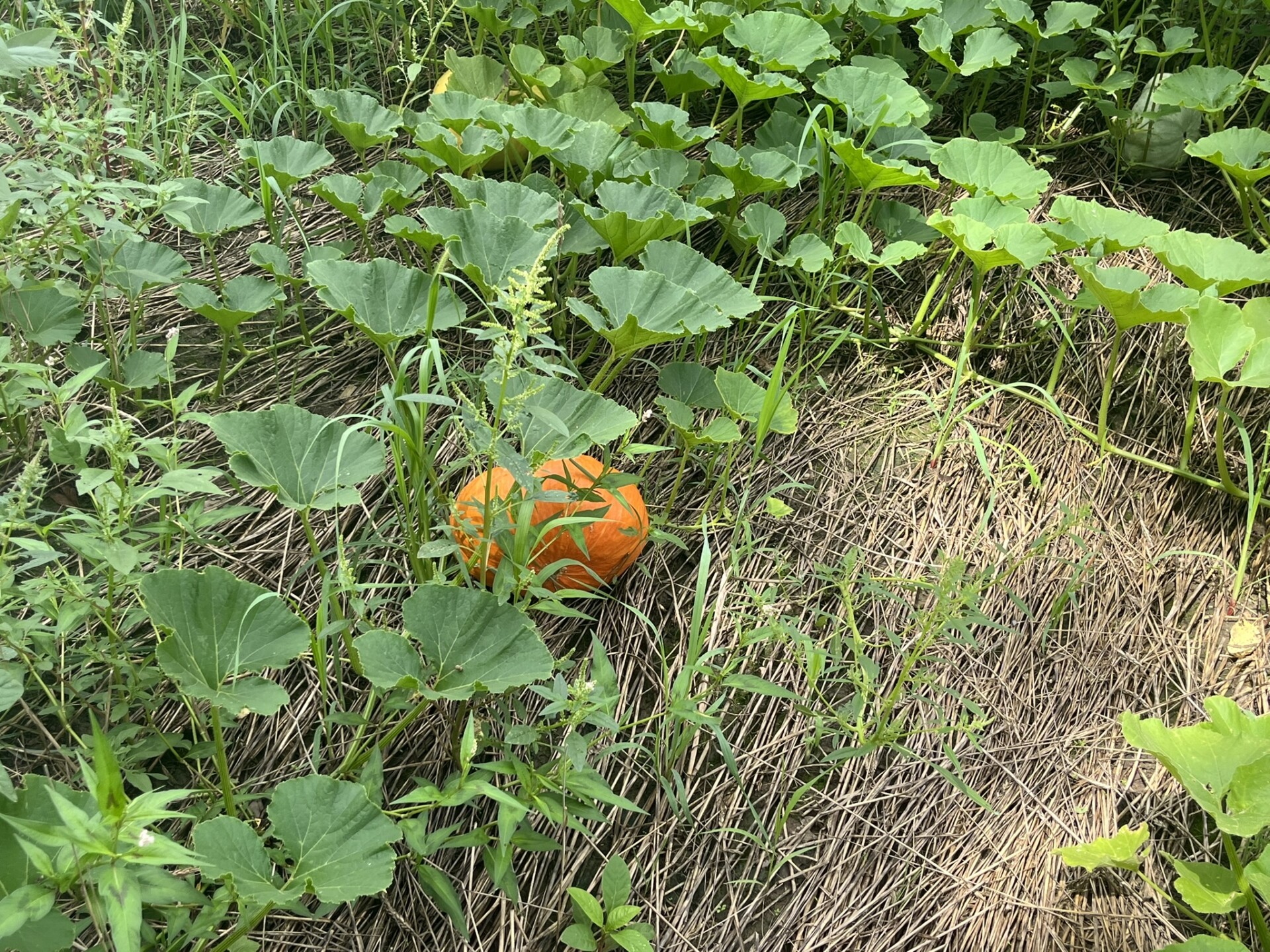
Pumpkin on cereal rye cover (Photo by Mark Evans).
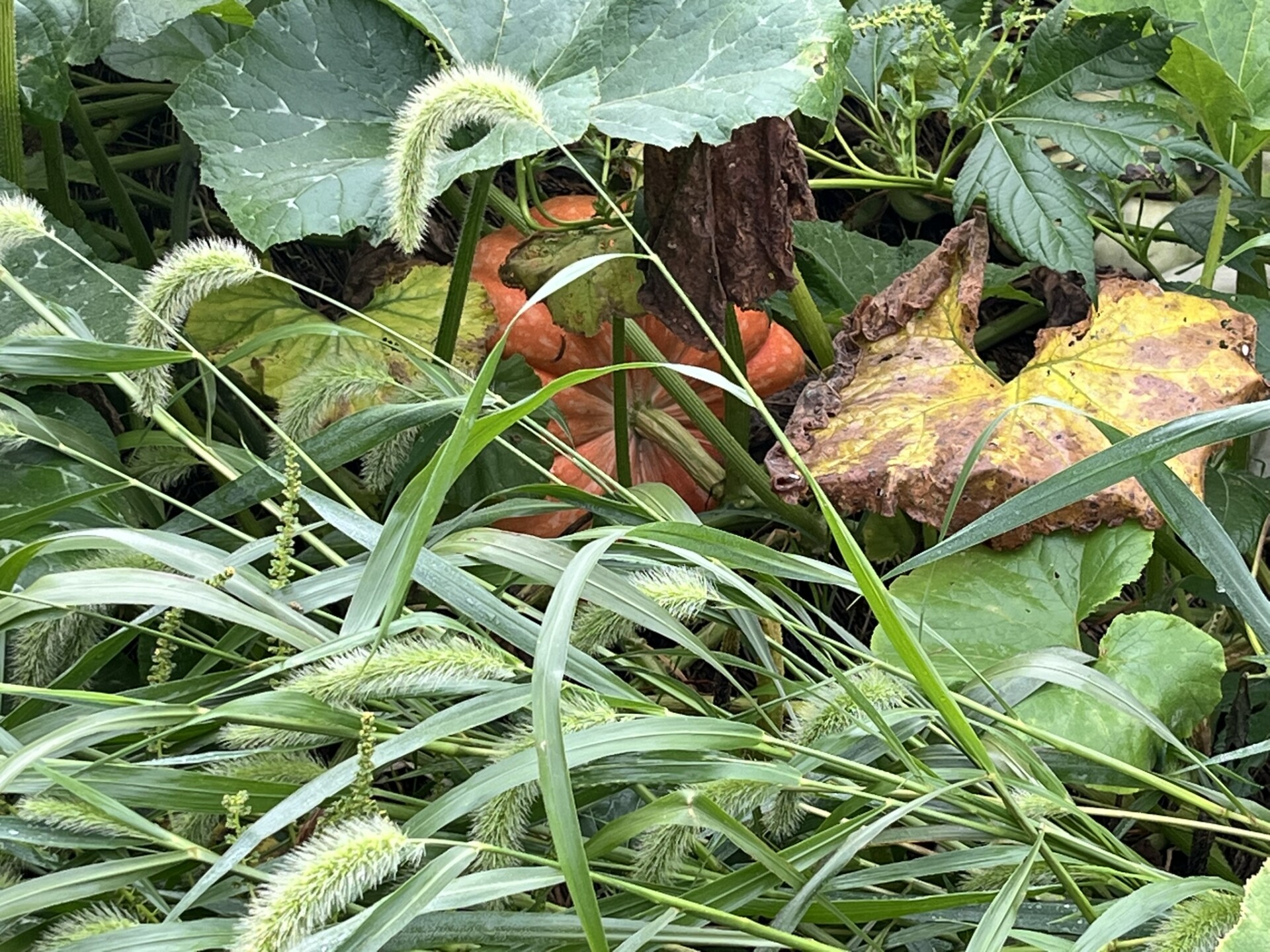
Figure 2. Pumpkin no-till cereal rye cover with Foxtail (Photo by Mark Evans).
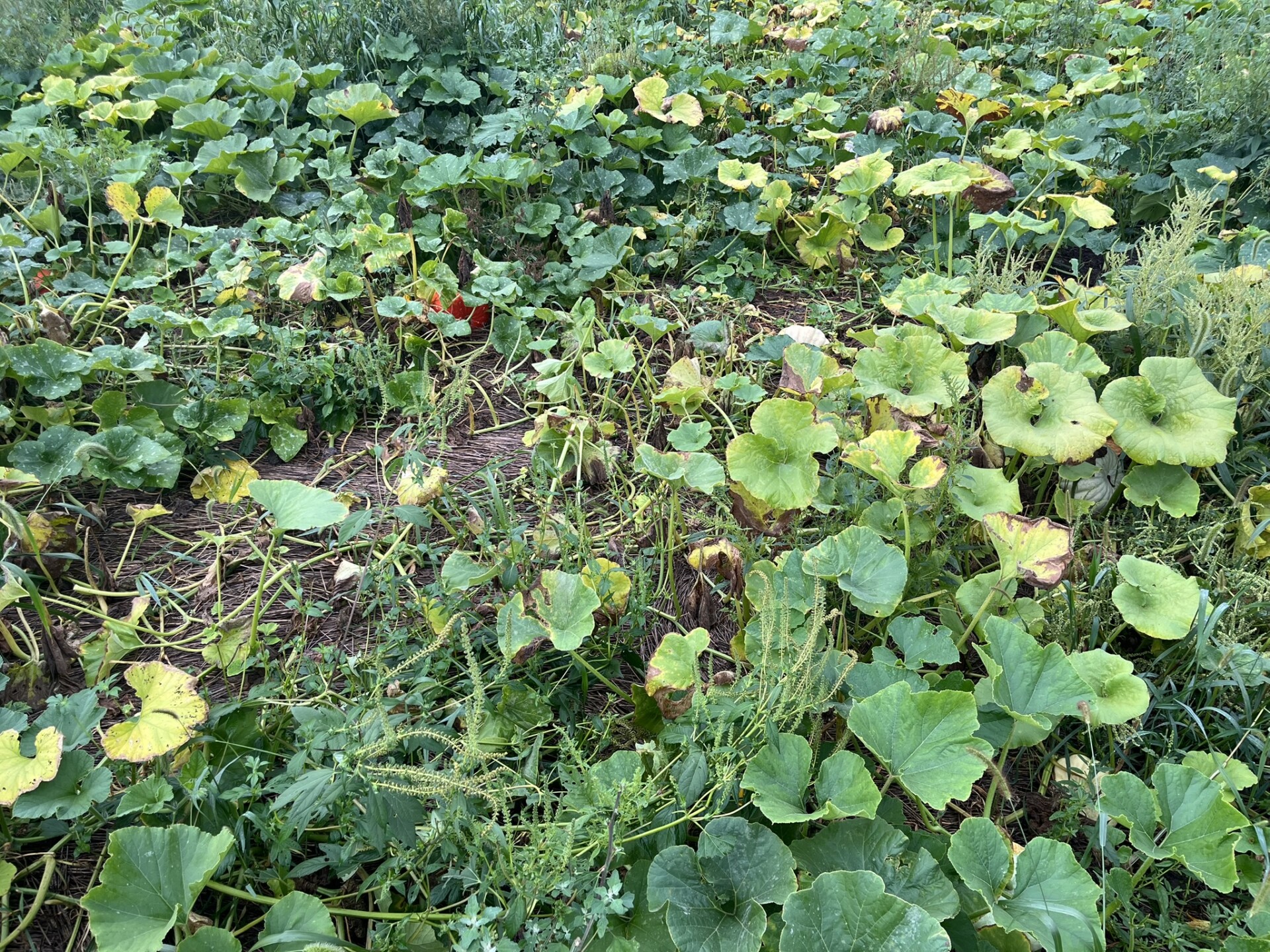
Figure 3. No-till pumpkin in cereal rye cover (Photo by Mark Evans).
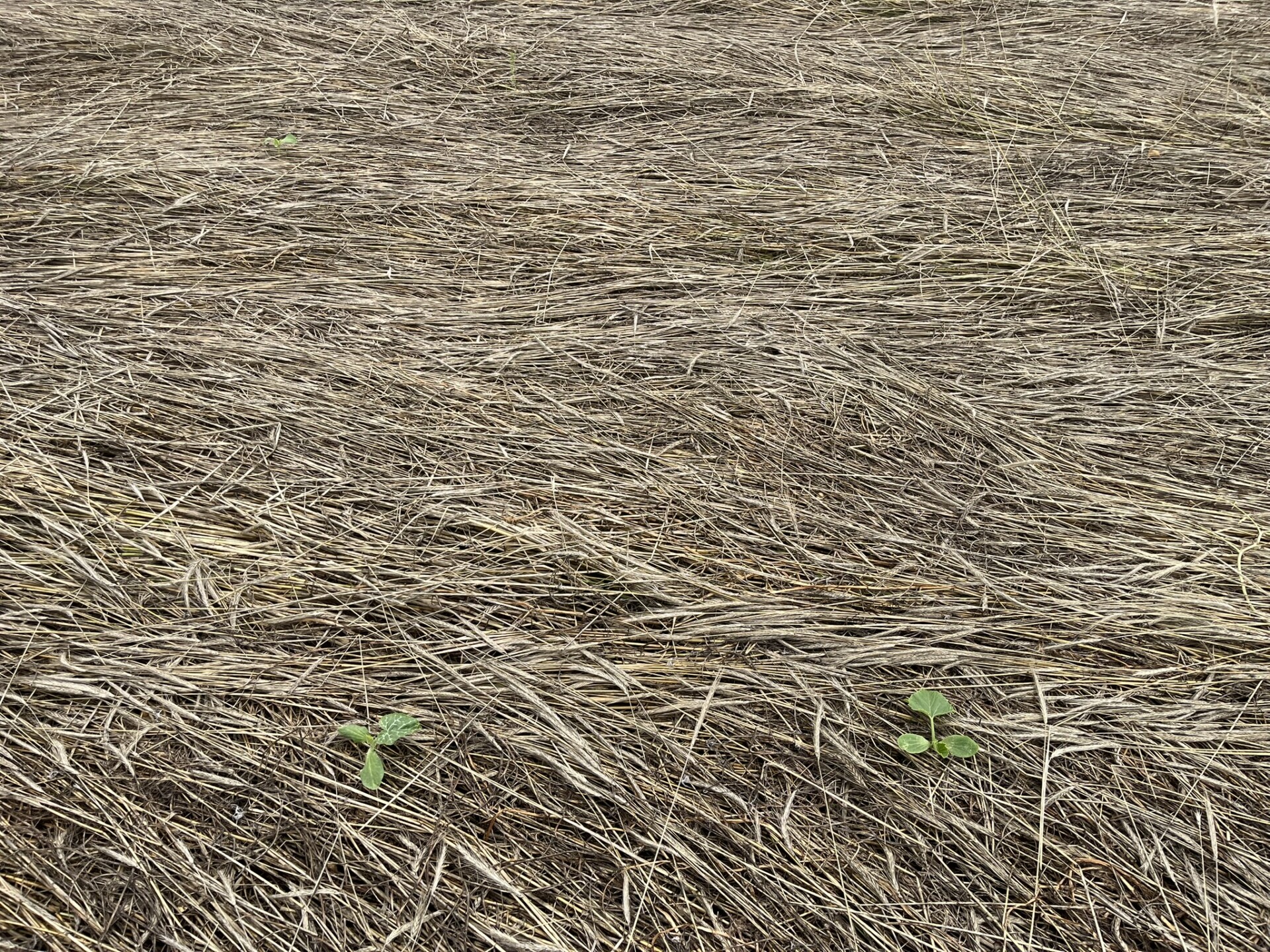
Figure 4. No-till pumpkin in cereal rye cover at planting (Photo by Mark Evans).
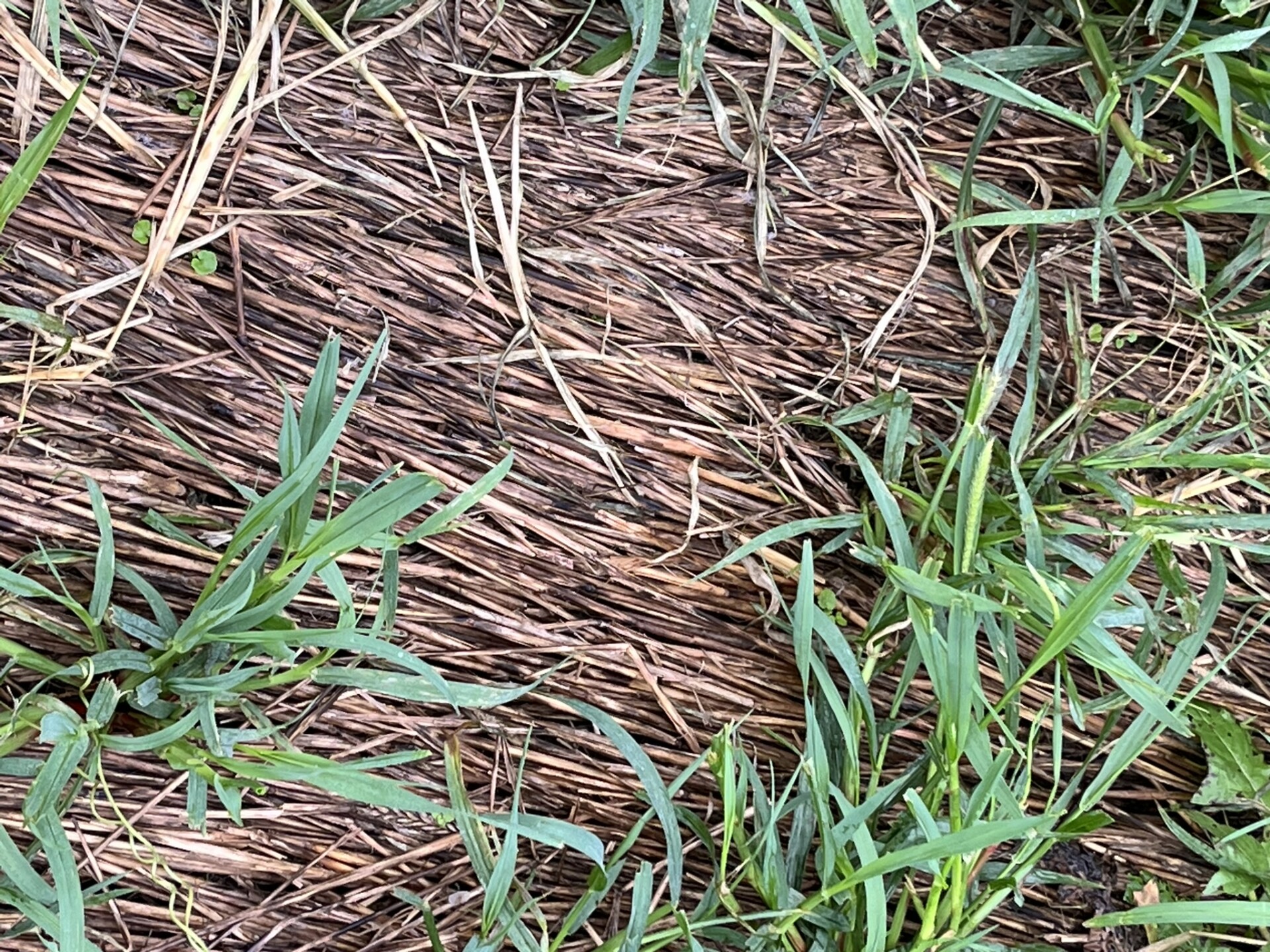
Figure 5. Cereal rye residue (Photo by Mark Evans).