
What’s Inside This Issue As the growing season winds down, this issue covers both wrapping up this year and getting ready for next year. High tunnel growers will find two timely reads. Summer heat inside a tunnel can work against the beneficial insects you rely on, and soil-dwelling nematodes may offer a better fit for…Read more about From The Editor’s Desk[Read More]
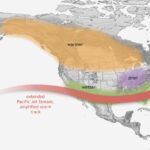
A potentially historic El Niño is developing in the tropical Pacific as we head toward winter 2026–27. You may have heard the term “super El Niño” used to describe it. NOAA’s October 8 outlook gives a combined 97 percent chance of a strong or very strong El Niño during winter (December–February). These strength categories are…Read more about A Look Back at Strong and Very Strong El Niño Winters in Indiana[Read More]

Pumpkin and other cucurbit production in Indiana often involves intensive soil preparation to create a warm, weed-free seedbed. However, increasing interest in soil health, cover crops, and reduced tillage has led some growers to consider a different approach: planting pumpkins into a terminated cereal rye cover crop using no-till or strip-till practices. Planning for this…Read more about Pumpkins in Cereal Rye: Opportunities and Challenges for Indiana Growers[Read More]

Are you preparing your agribusiness for its next stage of growth? Finding the right capital is often one of the biggest hurdles to growth. A free virtual workshop later this month can help you sort through your options. The Indiana Small Business Development Center (ISBDC), in partnership with Purdue University’s Center for Regional Development and…Read more about Free Webinar: Financing Your Farm, Food & Agribusiness – October 28[Read More]

Produce Safety Alliance Grower Training The Safe Produce Indiana team will host an in-person Produce Safety Alliance (PSA) Grower Training in January, the day prior to the Indiana Horticulture and Small Farms Conference. The program will be held on Monday, January 25, 2027, at the Hendricks County Fairgrounds. The cost of attendance is $10 and…Read more about Upcoming Produce Food Safety Programming Offered by Safe Produce Indiana[Read More]
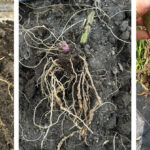
It is time to remove tomato plants from high tunnels. By season’s end, plants often harbor pathogens and insect pests, and removing crop residues can reduce carryover into the next growing season. We remember to remove leaves, stems, and fruit, but often overlook the roots. Roots can harbor several hiding pathogens and pests, including one…Read more about High Tunnel Tomato Production: Dig Out Tomato Roots and Check Root-Knot Nematode Galling at the End of the Season[Read More]
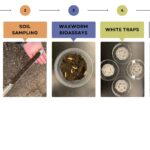
Temperature regulation is a cornerstone of protected agriculture production. High tunnels trap infrared rays from the sun, keeping temperatures sufficiently warm for production year-round. However, on hot, sunny, summer days, this very function can work against crops by disrupting the pest control services provided by natural enemies. Insect predators and parasitoids tend to be more…Read more about Too Hot to Handle? Entomopathogenic Nematodes for High Tunnel Biological Control[Read More]
Generic “Zidua®” Zidua® herbicide has been registered for use in numerous crops in the United States for over a decade. It is a soil-applied, residual Group 15 herbicide containing the active ingredient pyroxasulfone. When Zidua® was registered for use in U.S. mint, the herbicide registrant (BASF) decided to not allow its use in the Midwestern…Read more about Mint Herbicide Updates: Generic “Zidua®”, Spartan®, Anthem® Flex[Read More]

Purdue University prohibits discrimination against any member of the University community on the basis of race, religion, color, sex, age, national origin or ancestry, genetic information, marital status, parental status, sexual orientation, gender identity and expression, disability, or status as a veteran. This material may be available in alternative formats. 1-888-EXT-INFO Disclaimer: Reference to products in this publication is not intended to be an endorsement to the exclusion of others which may have similar uses. Any person using products listed in this publication assumes full responsibility for their use in accordance with current directions of the manufacturer.