Introduction
The black soldier fly (Hermetia illucens; BSF) is a species of fly in the Stratiomyidae, or soldier fly, family. They are an all black fly that has clear windows near the base of its abdomen that it uses to mimic wasps (Figure 1). BSF adults live for about 5-8 days, during which time they are focused on reproducing. They do not bite, sting, or transmit diseases. BSF are native to neotropical regions, including large areas of South America, the Caribbean, Mexico, and southern North America. However, at this point, they can be found on every continent except Antarctica.
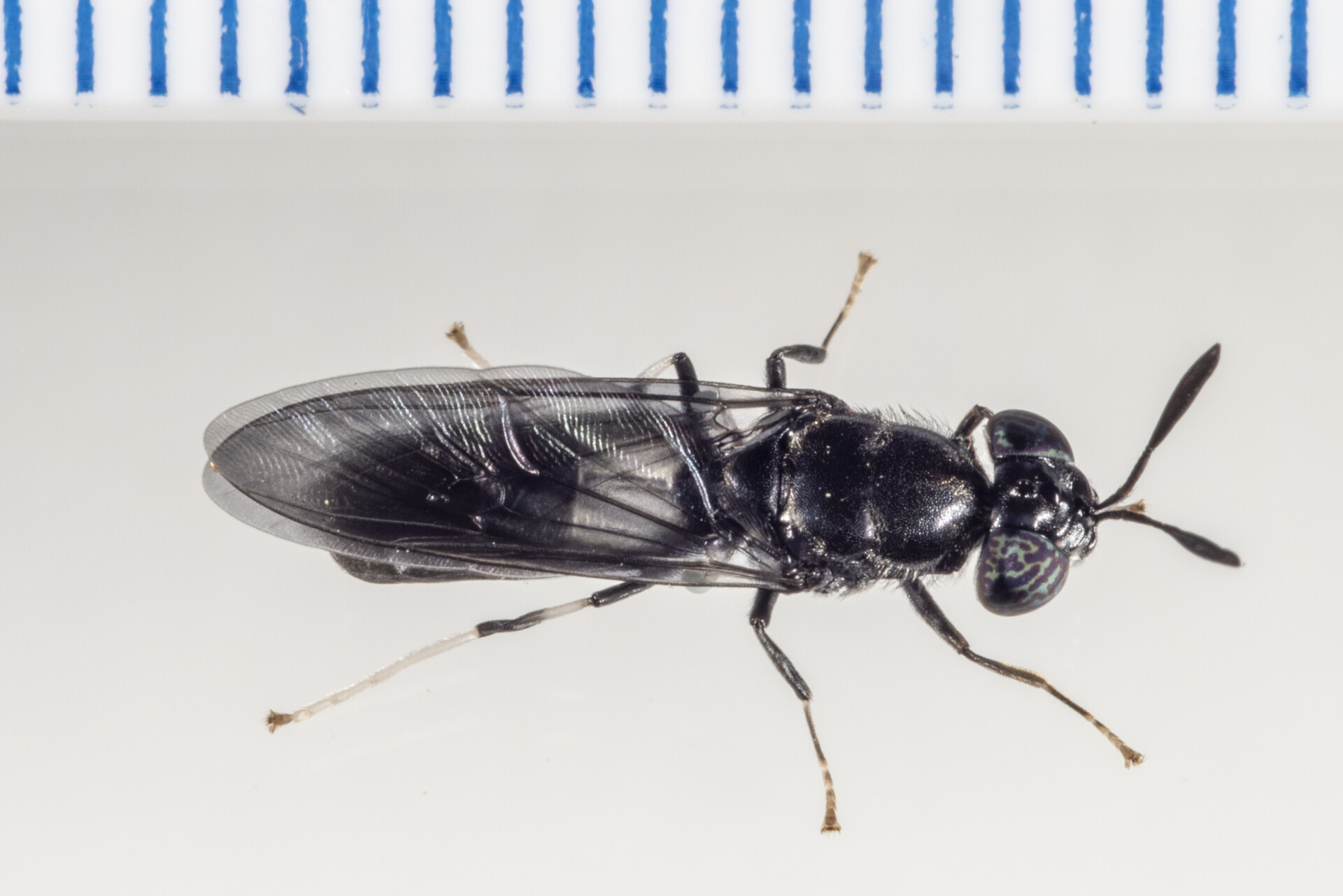
Figure 1. Adult black soldier fly (Photo by John Obermeyer).
Decomposers
Black soldier flies are renowned for their decomposition abilities. As a true fly, they undergo complete metamorphosis: egg-larva-pupa-adult (Figure 2).
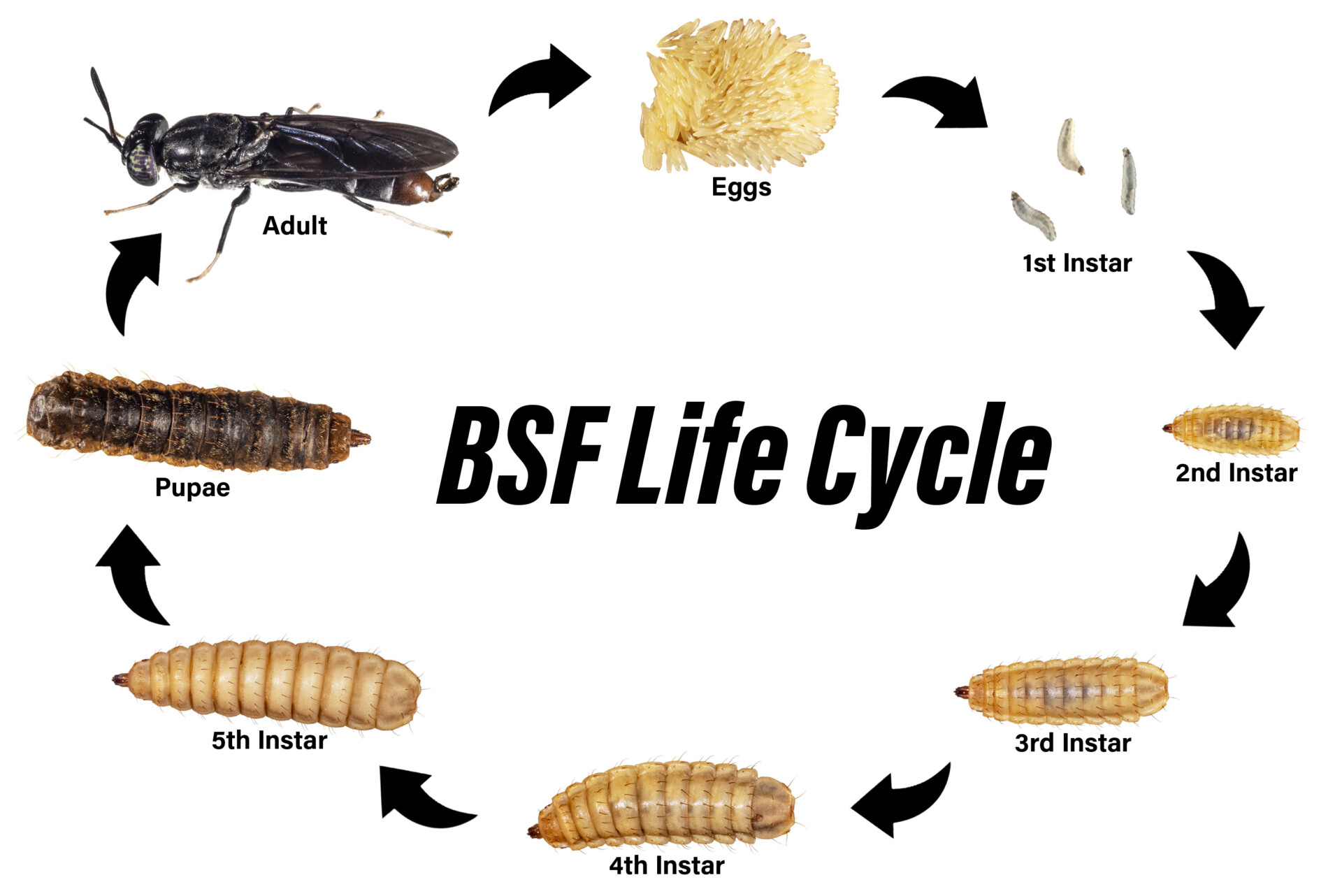
Figure 2. A diagram of the life cycle of Black Soldier Fly, depicting eggs, all five larval instars, pupa, and adults (Diagram by Bransen Shidler).
In the larval stage, they feed voraciously on organic waste, with many studies conducted across all continents to assess their applicability to agriculture and waste management. By our own calculations, a gram of BSF eggs (about a bottle cap full; Figure 3) will consume on average about 5 kilograms (~11 pounds) of organic waste throughout their larval development. Some outlying “colonies” of 1 gram of initial eggs BSF larvae that we have raised have consumed upwards of 25 kgs (~55lbs) in their lifetime.
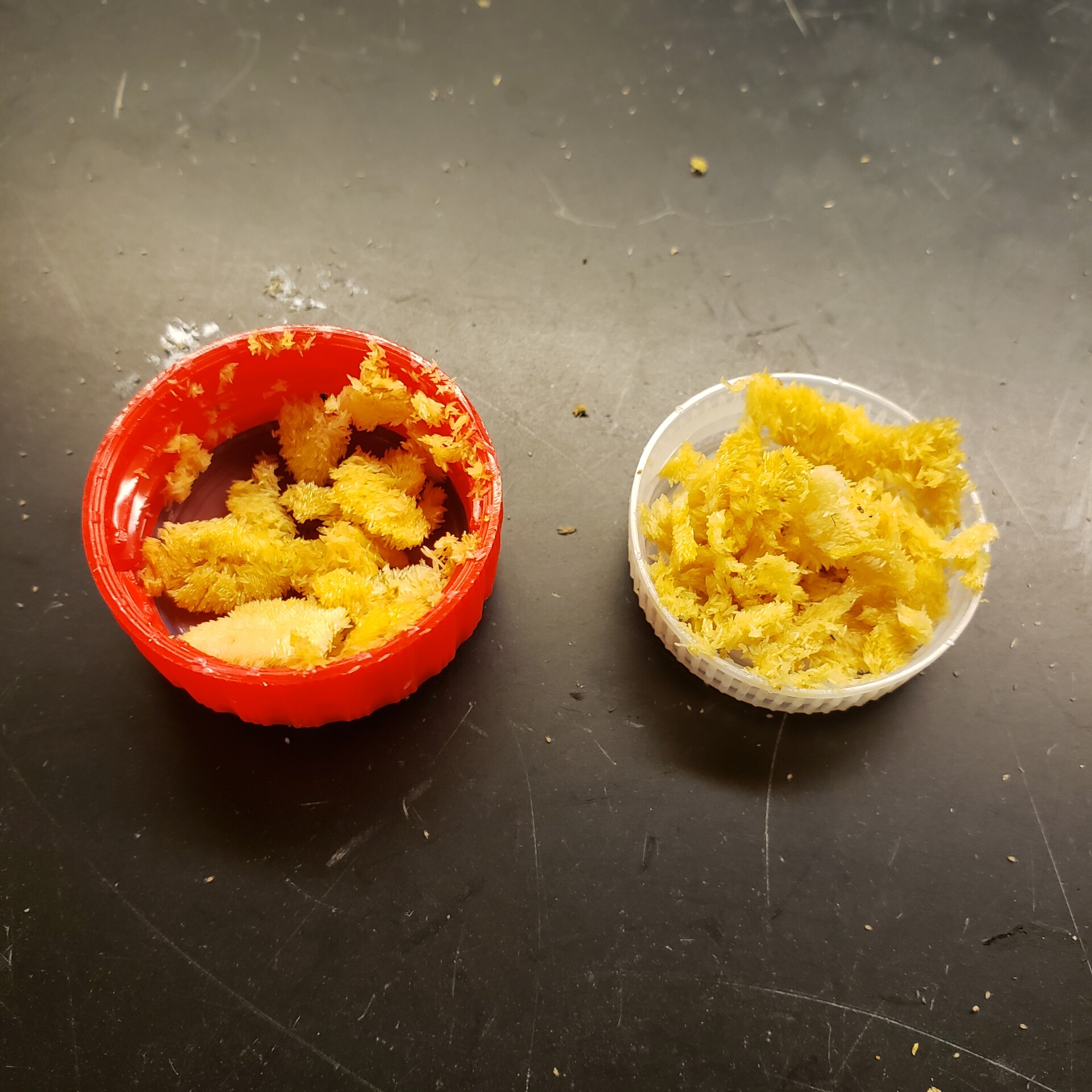
Figure 3. One gram of Black Soldier Fly eggs in a soda bottle cap (left) and water bottle cap (right) (Photo by Laura Ingwell).
Black Soldier flies are opportunistic detritivores, meaning they primarily consume dead and rotting organic material. They aren’t exactly picky about where it comes from. Old vegetables and discarded cooking scraps are commonly fed to soldier flies, along with spoiled dairy products, pastries, pies, and anything else people have left sitting in the backs of their fridges (Figure 4). They are incredibly adventurous in their eating and won’t complain about what you give them!

Figure 4. Black Soldier Fly larvae consuming an apple in a compost bin (Photo by John Obermeyer).
Of course, the decomposition process wouldn’t be this valuable or important if we didn’t get something in return from these bugs, but thankfully, we do. Two of the most important byproducts we harvest from these flies are their frass (insect waste/excrement) and their exuviae (old exoskeletons and pupal cases). The frass from the larvae is incredibly nutrient-dense, especially high in nitrogen and phosphates, making it an excellent soil amendment or fertilizer. The exuviae are almost as beneficial as, if not more so than, the frass; however, with more than double the nitrogen content of the frass, this highlights just how useful both components can be.
Protein Substitutes
Finally, I’d like to tell you about the other major reason for the surge in interest in BSF production and its byproducts. That is, of course, their ability to be used as a feed ingredient for all types of animals. Typically, they are used for poultry, aquaculture, and pet food, but there have been some minor applications in pig and cow feeds as well. These little larvae are rich in protein, typically around 40-50% crude protein, with many other beneficial nutrients, such as calcium, fat, and all the essential amino acids.
Conclusions
While incorporating soldier flies into composting might seem a little disturbing and even scary, they are entirely harmless to humans and make the process easier and much quicker. They are ravenous eaters who are not picky about what you feed them, and in return will provide you with excellent natural fertilizer that is made up of the old food you didn’t want. The only downside you might encounter with these fascinating insects (aside from their smell) is that they are eating the food you give them faster than you can get it to them!