Originally published on July 24, 2024
Harvest season is easily one of the busiest and craziest times of the year. Crops are being harvested, packed, shipped, and sold against a backdrop of perishability, weather, and ever-changing markets. Harvest and postharvest handling are also critical times for food safety. Handling of the crop by workers, transporting of produce, and aggregating the crop in packing houses and packages can all introduce risk and the potential for widespread product contamination. Below are a few tips to help reduce risk as produce is harvested and prepared for market.
Make food safety “cultural” throughout the growing season
The most successful food safety programs are those that are “baked into” the farm. Those farms that make GAPs a normal part of growing, rather than something to be done only when the inspector or auditor is coming, are in the best position to continue their food safety practices into harvest and postharvest handling.
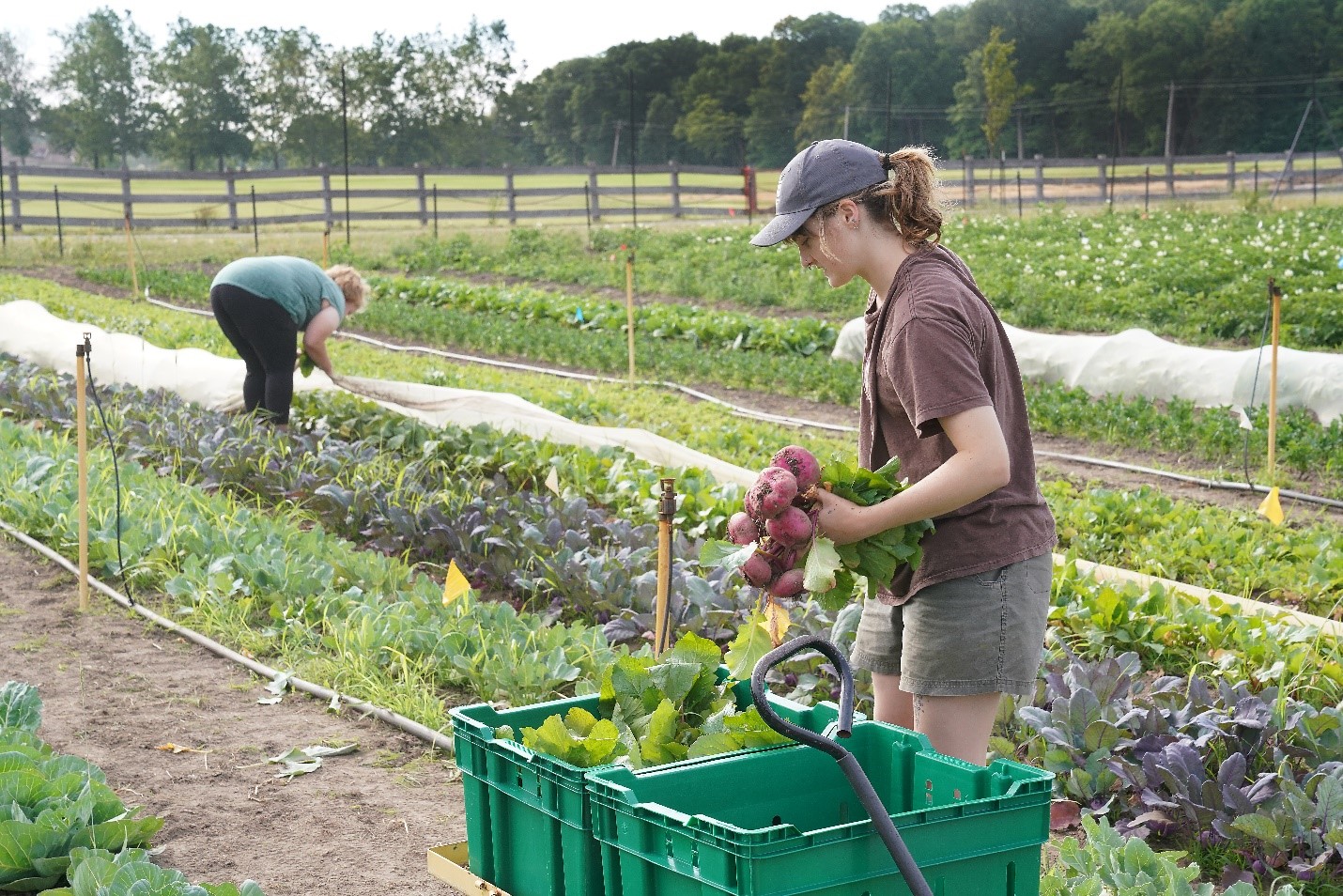
Figure 1. Farms that make food safety part of their culture are in the best position to consistently reduce contamination risk during harvest and postharvest handling (Photo by Purdue Student Farm).
Worker training
All workers should receive food safety training. At a minimum, workers should be trained to recognize food safety risks and to mitigate them. They should also know who to contact if they can’t manage a food safety risk on their own. Training doesn’t have to be burdensome or time-consuming, but it must be documented. A typical worker training for food safety should include:
- General Information, such as how pathogens can be transported on produce and why it is the responsibility of all workers to reduce risk.
- Basic health policies for the farm. These can be as simple as informing workers that sick people should not handle produce and the farm’s procedure for reporting illness.
- Basic sanitation policies. This includes handwashing procedures and policies, restroom procedures, and injury management.
- Farm-specific procedures such as the location of facilities or the farm’s discipline policies.
Generally, these topics can be covered in less than an hour. If you’re not comfortable presenting to a group, there are resources available. Cornell University has an excellent worker training video available in English, Spanish, Creole, or Hmong.
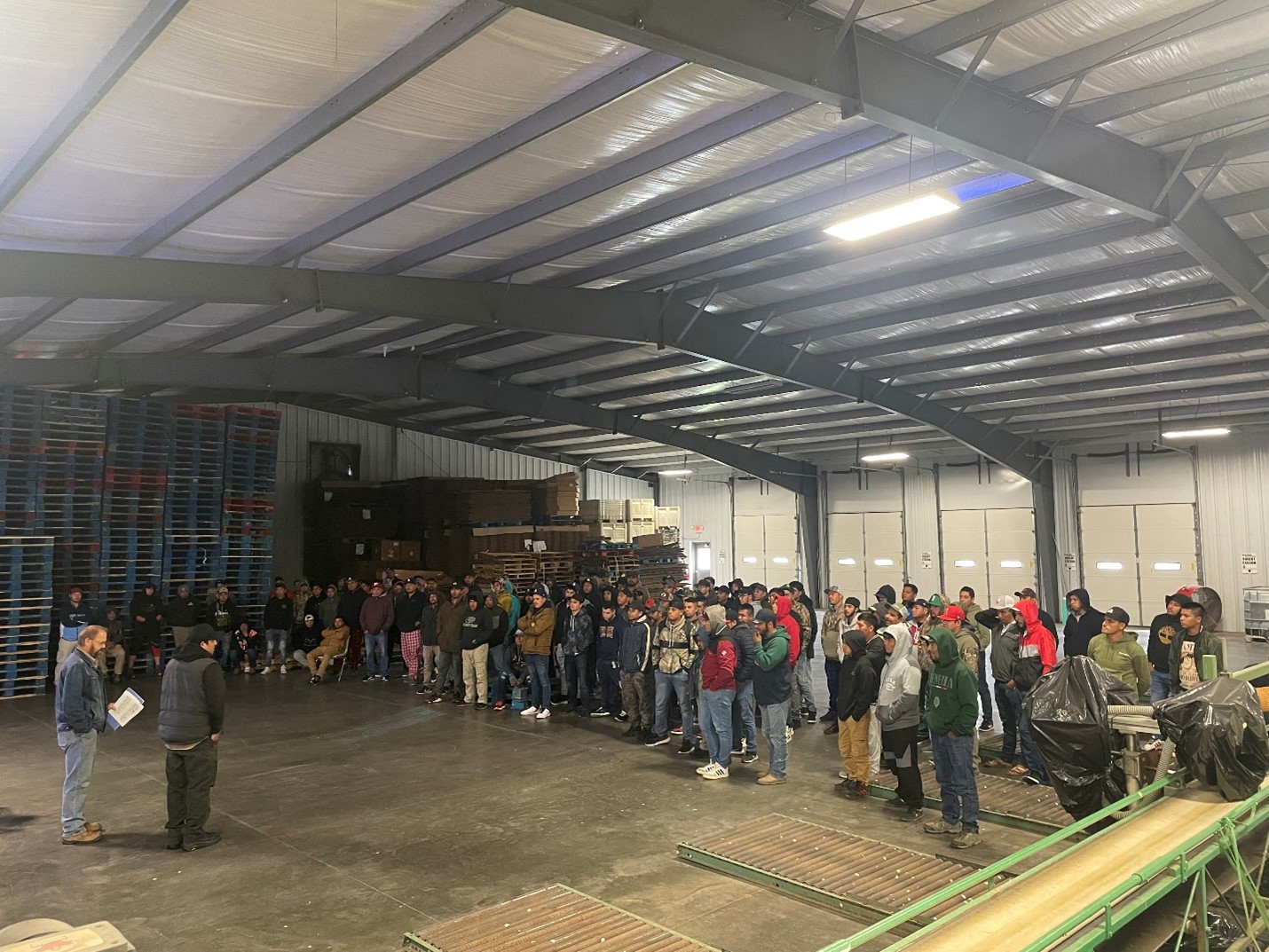
Figure 2. All workers should receive food safety training prior to beginning work. Training should be documented (Photo by A. Freeman).
Packinghouse sanitation
Produce packing houses come in all shapes and sizes. Whether big, small, open, or closed, the principles of sanitation are the same. Packing houses and, specifically, packing equipment should be cleaned and sanitized as needed at the beginning of and throughout the season. Use a 4-step process to clean equipment:
- Remove any obvious dirt and debris.
- Apply an appropriate detergent and scrub surfaces.
- Rinse the surface with clean water to remove all detergent and soil.
- Apply an approved sanitizer following label directions.
Prioritize food-contact surfaces where the produce contacts the packaging equipment. Remember to document all cleaning and sanitizing activities.
To wash or not to wash?
Water can be easily contaminated. When contaminated, water can spread human pathogens throughout the crop. The Produce Safety Rule (21 CFR 121) does not require washing of produce. Also, most third-party audit schemes do not require washing of produce for GAP certification. Because of the potential risks and additional considerations associated with washing, growers should only wash produce when necessary. In many cases, buyer or consumer expectations constitute a reason to wash produce. If you choose to wash produce, keep the following in mind:
- Use potable water. Any water used for washing produce should contain 0 detectable generic coli per 100 ml sample. Municipal water generally meets this standard. If groundwater is used, it should be tested prior to use. Untreated surface water must not be used.
- Consider using a sanitizer. Sanitizers are useful for reducing microbial populations on surfaces and preventing cross-contamination. There is no legal requirement to use sanitizers. However, if one chooses to do so, the sanitizer should be labeled for use on produce. As with other pesticides, the label is the law. Growers who choose to use a sanitizer should also monitor sanitizer levels and other parameters such as turbidity, water pH, and temperature.
- Try to minimize the temperature difference between the produce and the wash water. Cold wash water used to wash hot produce creates the potential for infiltration, where water can enter the produce through stem scars or other openings. In general, the temperature difference between the wash water and the produce should not exceed 10°F. This may mean allowing wash water to warm or produce to cool prior to washing.
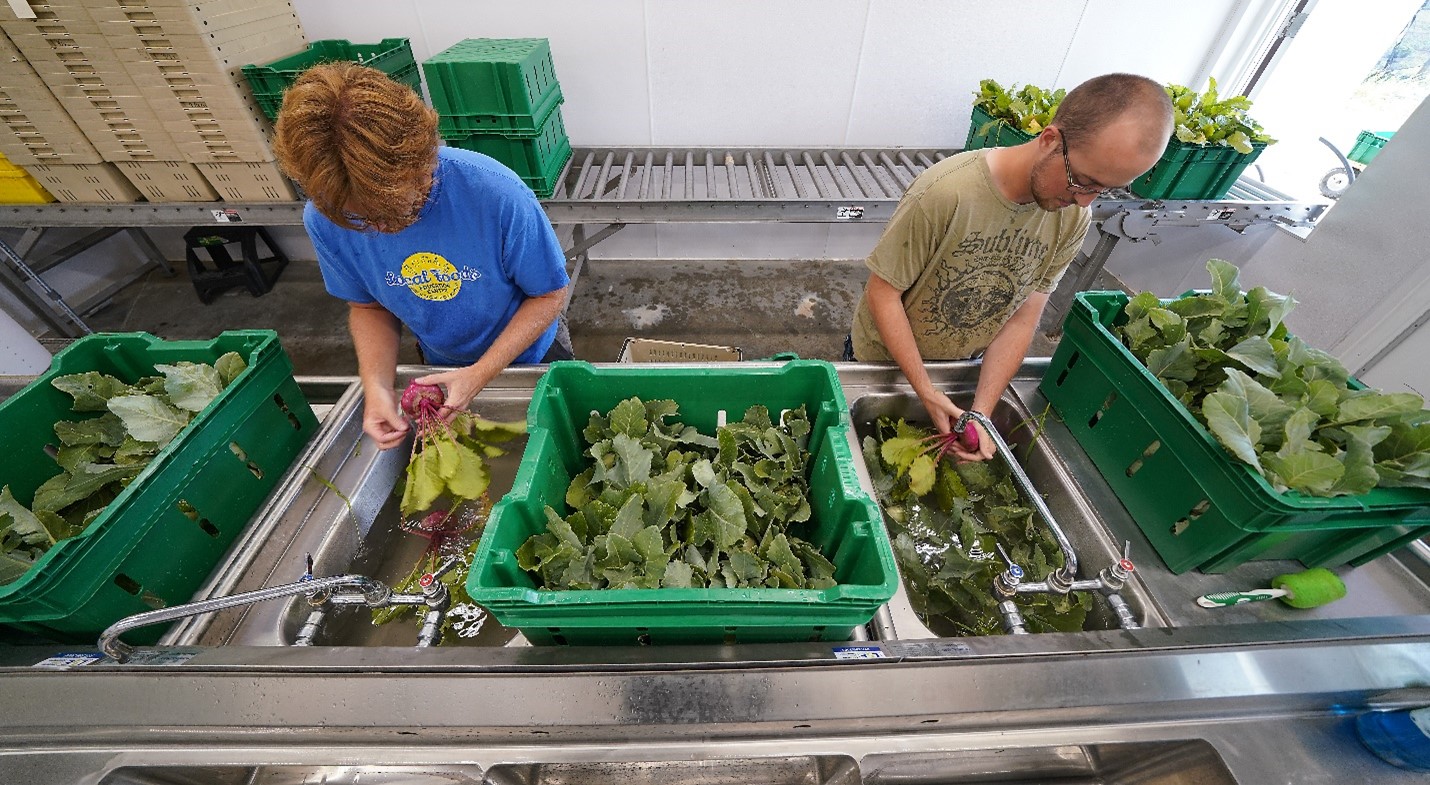
Figure 3. Washing is not a requirement of the Produce Safety Rule or most third-party audit schemes, but it may be done to meet buyer requirements or expectations (Photo by Purdue Student Farm).
Product flow
As produce is brought into the packinghouse, product movement should be configured to minimize the potential for cross-contamination. Ideally, produce should enter the facility from one side (from the field) and exit the other side as “finished” produce ready for market. Moving produce in a straight line through the facility or a “U” shaped product flow works very well. Growers should avoid product movement that places cleaned produce in proximity to produce just coming in from the field.
Cooling and Storage
As with other areas of postharvest handling, managing the cooling and storage of produce with food safety in mind is a critical step in reducing the risk of contamination. All storage and cooling areas should be cleaned and sanitized before the harvest season and as needed throughout the season, and documented. As with washing, no rule or regulation requires growers to cool produce. However, should one choose to cool their produce, the following should be considered:
- Check cooler temperatures at least daily. Document these temperature checks. This can be as simple as keeping a clipboard with a log sheet next to the cooler, so temperatures can be recorded immediately upon checking.
- Avoid condensation. Chilled water pipes, condensers, and heat exchangers are areas where condensation can form and drip onto produce. Once condensation drips onto produce, it is considered to be adulterated and cannot be sold. If condensation cannot be avoided, drip pans or other devices to catch and divert it should be used.
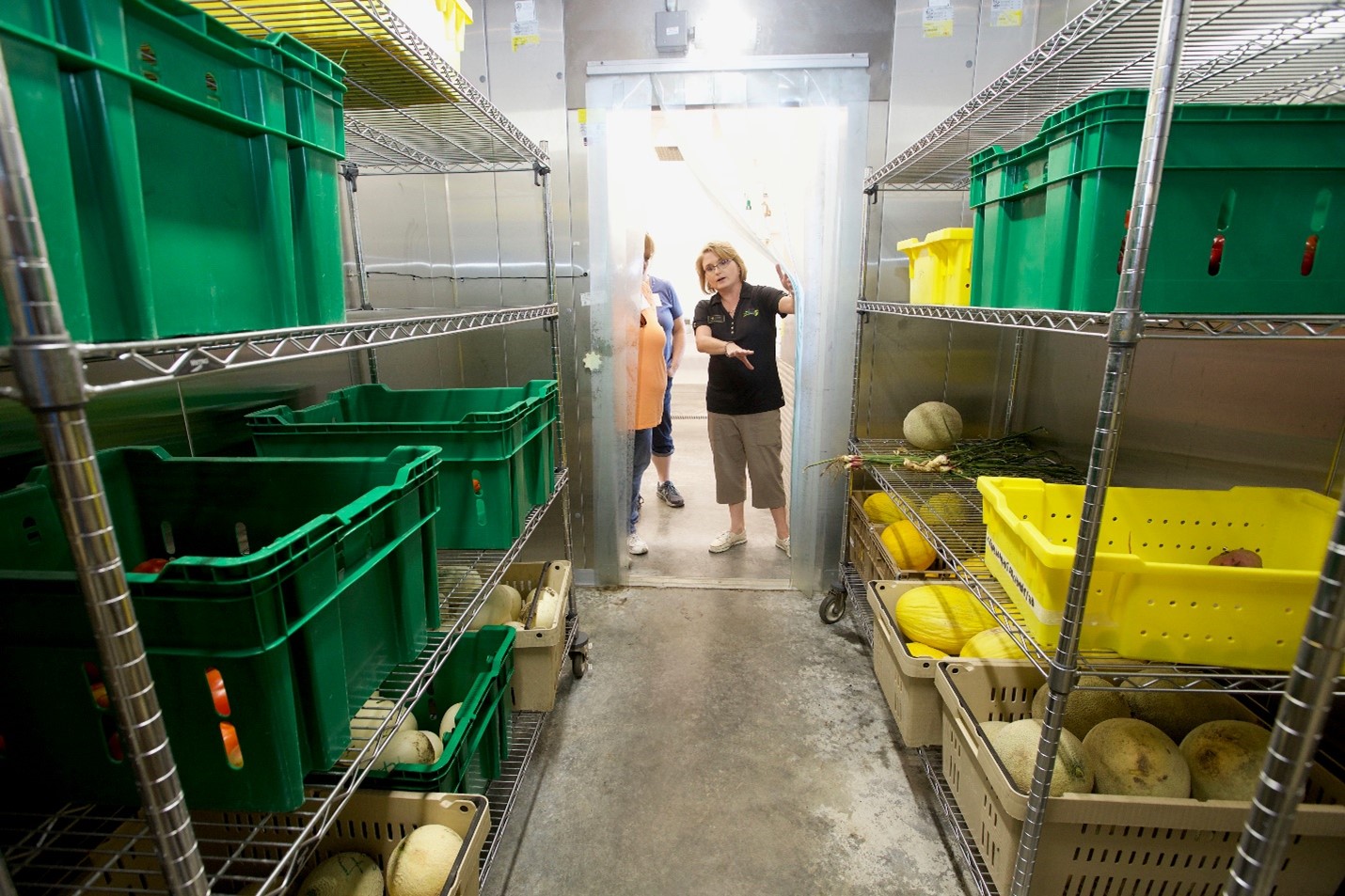
Figure 4. Cooling and storage areas should be cleaned and sanitized as needed, and temperatures should be checked at least daily (Photo by Purdue Student Farm).
Transport vehicles
Transport vehicles should be clean and free from debris. They should be washed and sanitized prior to use. All cleaning and sanitizing activities should be documented. Growers who use third-party carriers to ship produce should inspect carrier vehicles before loading produce. Note any “off” odors. Try to find out what has been previously hauled. If trucks are equipped with coolers, make sure they are working prior to loading produce. If there are any concerns, do not load your produce onto a third-party carrier until the concerns have been resolved. This may mean asking drivers to clean and sanitize their trailers or asking for a different trailer altogether.
By following these guidelines, growers can reduce the risk of contamination to their crops as they prepare and deliver wholesome, nutritious produce to consumers. As always, feel free to contact the Safe Produce Indiana team whenever you have food safety questions or concerns.
Dr. Amanda Deering
Associate Professor
Cell: (765) 586-7544
Email: adeering@purdue.edu
Scott Monroe
Food Safety Educator
Cell: (765) 427-9910
Email: jsmonroe@purdue.edu
Tari Gary
Extension Administrator
Phone: (765) 494-8271
Email: tgary@purdue.edu