
April 13, 2026, 10 AM-2 PM Verseman Farm, St. Paul, IN This event is made possible with the partnership of the Midwest Cover Crops Council; Purdue On The Farm; Center for Regenerative Agriculture, University of Missouri; and the Conservation Cropping Systems Initiative. CCSI – Improving Soil Health on Indiana Cropland Join us for a…Read more about MCCC Cover Crop Field Day[Read More]
Cover Crops

Maybe after you finish your vegetable harvest, you mentally say, “I’m done this year,” and wait to start again next year. But a cover crop could benefit you in several ways. By researching now, you can be prepared to install cover crops this year. Like many farmers, home gardeners have been exploring and using cover…Read more about Using Cover Crops in the Home Garden[Read More]
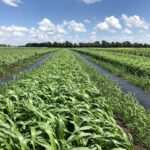
Summer cover crops offer clear benefits to vegetable growers and the environment. Cover cropping offers clear benefits to growers and the environment. It is a valuable opportunity to add organic material to the soil, and it increases soil carbon, enhances soil fertility and nitrogen cycling, reduces erosion, and helps to reduce weed pressure in subsequent…Read more about Summer Cover Crops for Improved Soil Health and Weed Management[Read More]
A news release from SARE dated September 5, 2023. Adapted from the Conservation Technology Information Center A new national survey report has found that the vast majority of farmers who use cover crops don’t need incentive payments to continue with the practice because of how much they appreciate its value to their land and business. According…Read more about Sustainable Agriculture Research and Education (SARE) News – National Cover Crop Survey Report[Read More]
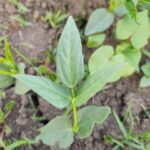
Drought tolerance is top of everyone’s mind this year. Dry conditions and cover crops don’t always mix – they use precious moisture in dryland agriculture that’s rarely returned in a timely fashion. In irrigated agriculture, the expense of irrigating them might not be justified. However, there are cover crops that tolerate dry conditions and still…Read more about Drought-busting Summer Nitrogen Fixer? Look No Further Than Cowpea[Read More]
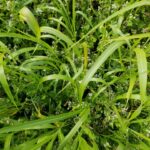
What can a relative of broom corn do for you on a vegetable farm? Build biomass while beating the heat! Sorghum-sudangrass (Sorghum x drummondii) (Figure 1) is a summer-loving hybrid cover crop species. Its parents are wild sorghum, native to sub-Saharan Africa, and domesticated sorghum, known as broom corn or milo in our part of…Read more about Cover Crop Species Spotlight – Sorghum Sudangrass[Read More]

Buckwheat (Fagopyrum esculentum) has been cultivated for thousands of years (Figure 1). Not at all related to wheat, buckwheat gets its common name from an old Dutch word that means “beech wheat” due to the seed’s resemblance to a beech nut. A member of the smartweed family, buckwheat is a cousin to familiar species like…Read more about Cover Crop Species Spotlight – Buckwheat[Read More]