In this article, we discuss another plant nutrient imbalance symptom commonly observed in melon production in southern Indiana: manganese toxicity.
Manganese is an essential plant nutrient, but excessive amounts can cause toxic effects. In melons, manganese toxicity usually appears as chlorotic spots made up of many tiny pinhole-like lesions that gradually merge together (Figure 1). The affected leaves turn brown and necrotic and die back. In severe cases, vine growth can be extremely stunted (Figure 2). The rapid breakdown of older leaves and stunted growth of new leaves dramatically reduce the plant’s photosynthesis rate and cause considerable yield loss. In some situations, manganese toxicity symptoms can be confused with foliar diseases; thus, it is important to correctly diagnose the problem and avoid unnecessary fungicide sprays.
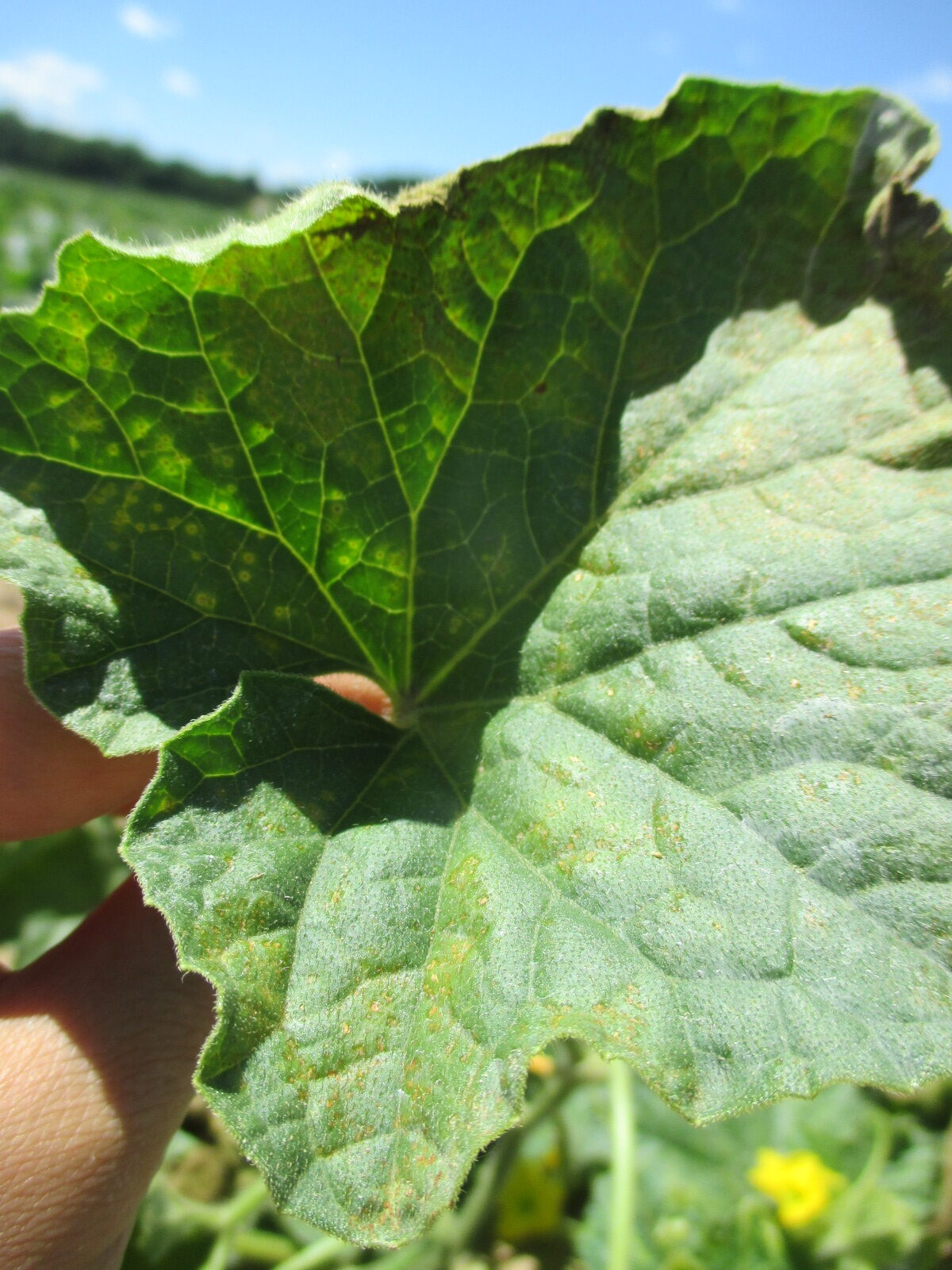
Figure 1. Pinhole-like lesions on cantaloupe leaves due to manganese toxicity (Photo by Wenjing Guan).
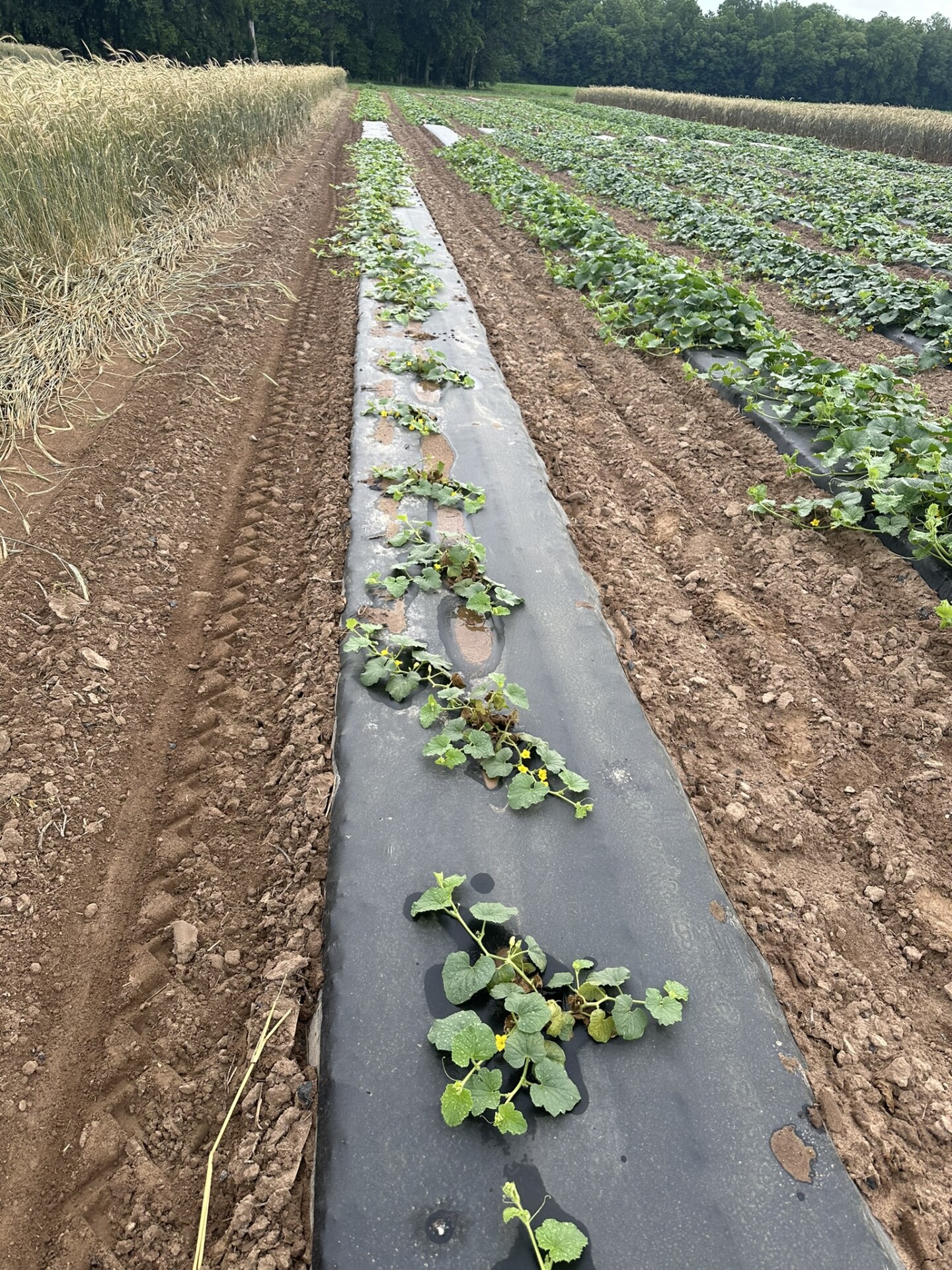
Figure 2. Stunted melon growth due to manganese toxicity (Photo by Wenjing Guan).
Manganese toxicity happens when soil pH is below 5.5. At low pH, manganese becomes highly soluble and readily available for plant uptake, leading to excessive accumulation in plant tissues. Liming to raise soil pH to 6 or above can effectively prevent manganese toxicity. Most melon fields are limed to achieve the target soil pH; however, these symptoms are not uncommon even in fields that have received lime applications.
These symptoms are sometimes observed along field edges, which is likely related to historically uneven lime applications. In other cases, manganese toxicity occurs in relatively low-lying areas within otherwise elevated fields or at the bottoms of slopes. These areas tend to collect water after rainfall. As water infiltrates the soil, it can accelerate the leaching of base cations such as calcium, magnesium, and potassium, gradually lowering soil pH relative to surrounding areas. Additionally, these areas often remain saturated for longer periods. When lime is broadcast across a field, incorporation may be less effective in the wet spot. Over time, these processes can create localized zones with very low soil pH (< 5.0), while adjacent areas or upper slopes may maintain pH levels between 6.0 and 6.5. These observations highlight the importance of targeted soil sampling to identify acidic hotspots within fields and guide site-specific lime applications.
Addressing low soil pH after symptoms have developed during the growing season is much more challenging than correcting it before planting. Ideally, lime should be applied in the fall of the year before planting melons to allow adequate time for it to fully react with the soil. Some in-season remedial strategies are attempted, including broadcasting pelleted lime and applying fertilizers that may increase soil pH, such as products derived from potassium hydroxide and potassium carbonate. However, it remains questionable whether these practices can raise soil pH rapidly enough and provide sufficient time for plants to recover before yield and fruit quality are affected.
In some situations, we observed manganese toxicity appearing early in the season, and plants then seemed to gradually recover as the season progressed. This recovery is likely not due to an increase in soil pH, but rather to root systems expanding into areas with more favorable soil pH conditions. We have also observed differences in tolerance to manganese toxicity among melon types with different genetic backgrounds. We will discuss the different melon types in a future newsletter article.
Check an additional article: Melon Nutrient Imbalances — Potassium deficiency