In the next two articles, we discuss two nutrient imbalances in melons commonly observed in southern Indiana: potassium deficiency and manganese toxicity. We will describe the symptoms, field observations, potential factors contributing to their occurrence, and potential remedies.
Potassium Deficiency
A typical symptom of potassium deficiency in melons is yellowing along the margins of older leaves (Figure 1). These symptoms usually appear first on older foliage because potassium is mobile within the plant and can be redistributed to support new growth. If potassium availability improves, newly emerging leaves may appear normal. However, under more severe deficiency, new growth can become stunted and chlorotic, resulting in reduced vine vigor and poor canopy development. In severe cases, potassium deficiency may also contribute to fruit cracking during development (Figure 2), leading to substantial yield losses.
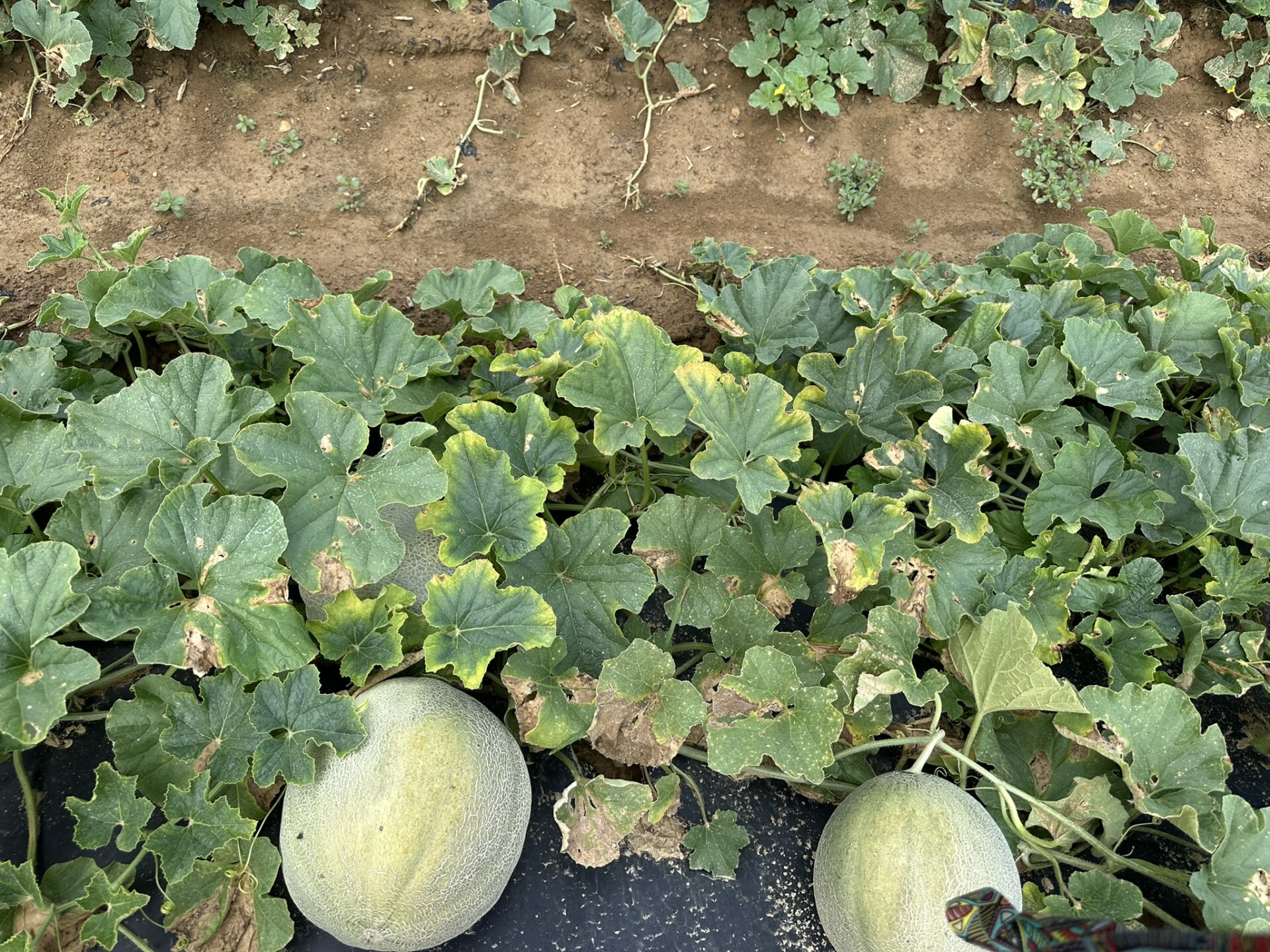
Figure 1. Potassium deficiency is characterized by yellowing along the margins of older leaves (Photo by Wenjing Guan).
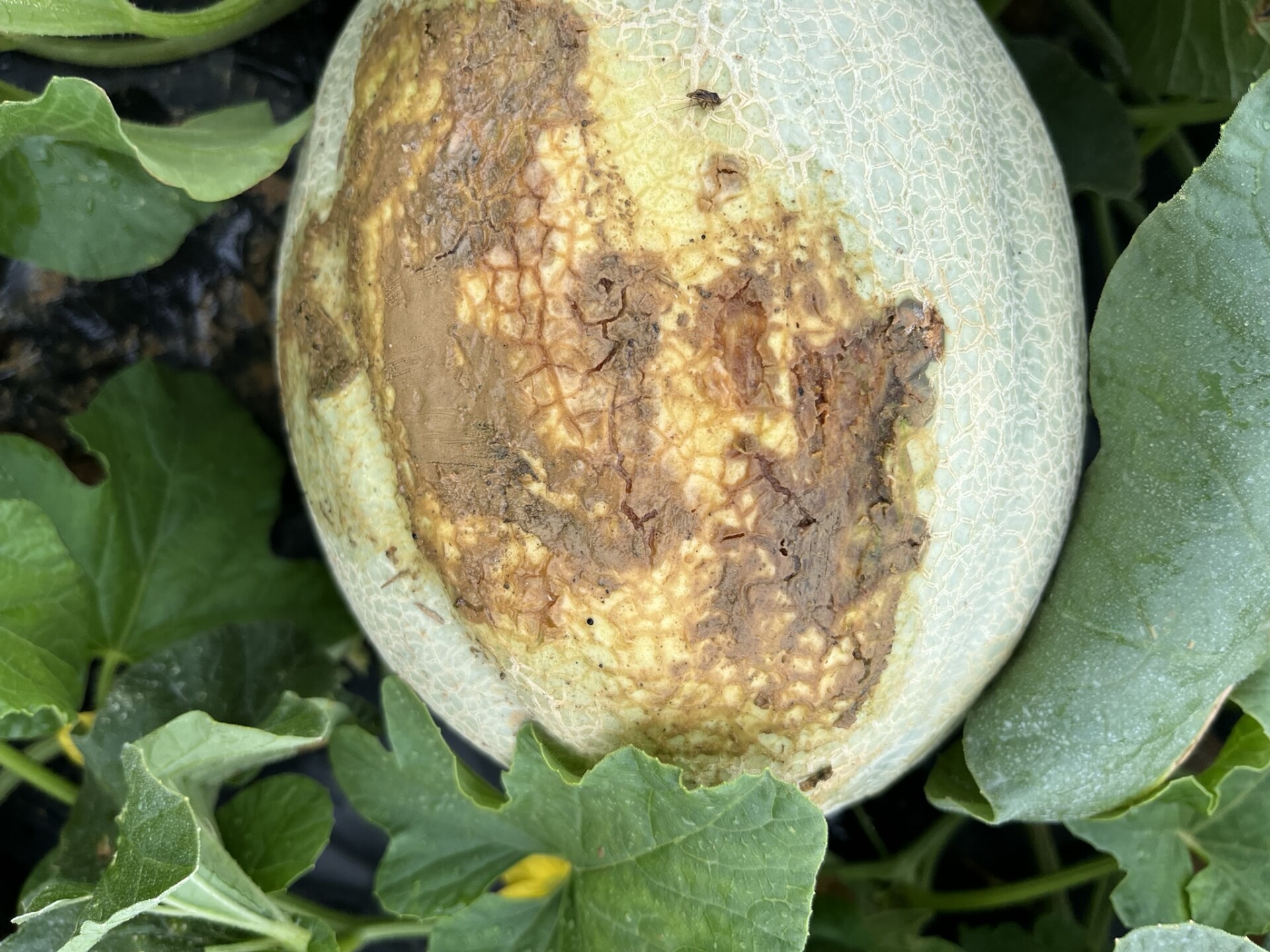
Figure 2. Cantaloupe cracking observed in a field with severe potassium deficiency (Photo by Wenjing Guan).
Although these symptoms could be associated with potassium deficiency, field diagnosis is not always straightforward. Potassium deficiency often occurs alongside other nutrient imbalances, such as boron deficiency, making diagnosis based solely on visual symptoms difficult. In addition, environmental stresses, herbicide injury, and certain diseases can produce symptoms that resemble nutrient deficiencies. Tissue analysis and soil testing are valuable tools for identifying nutrient imbalances. Information on fertilizer application history, soil characteristics, and recent weather conditions is also important information for accurately diagnosing the problem.
In the cases where we observed clear potassium deficiency symptoms, the condition was sometimes associated with excessive calcium levels in plant tissue samples. This imbalance may be associated with repeated lime applications or supplemental calcium fertilization. There is interest in applying additional calcium fertilizers in vegetable production; however, it is important to remember that calcium, magnesium, and potassium are all positively charged cations. These nutrients compete for exchange sites in the soil and for uptake by plant roots. As a result, excessive levels of one nutrient could induce deficiencies of another.
We have observed potassium deficiency symptoms developing after periods of water ponding. In this scenario, water contributes to excessive nutrient leaching. Because nitrogen and potassium are required in large quantities, deficiencies of these macronutrients often become apparent before deficiencies of other nutrients.
Damaged root systems also reduce nutrient uptake. This could happen due to subsoil compaction, which restricts root growth. The shallow roots are more susceptible to injury, particularly after waterlogging. In addition to physical barriers, root-knot nematodes can significantly impair root health and nutrient uptake. Unlike water-related injuries, which are often associated with specific weather events, nutrient deficiencies caused by root-knot nematode damage typically develop during mid- to late season. They are most commonly observed on elevated areas or slopes of sandy hills, where soils tend to be drier and favor root-knot nematode development.
Understanding the underlying factors contributing to this nutrient imbalance can help develop more effective management strategies. If potassium deficiency is caused by insufficient soil potassium or by an imbalance between potassium and other cations, applying additional potassium fertilizer may help correct the problem. Delivering soluble potassium fertilizers through a drip irrigation system is often an effective approach. Some growers apply granular fertilizers as a midseason broadcast application. This practice has a high risk of fertilizer runoff and foliage burn. But if sufficient rainfall or irrigation is available to move the fertilizers into the soil and make it available for root uptake, broadcast applications can be effective. Applying soluble fertilizers through overhead irrigation has also been used in some production systems.
An increasing number of advanced fertilizer products are becoming available, designed to enhance nutrient uptake under suboptimal conditions. These products may improve nutrient availability through foliar absorption, increase nutrient uptake under unfavorable soil conditions, or help plants recover following root injury. While these products show promise, their effectiveness and economic benefits should be carefully evaluated across a range of field conditions. We are currently conducting trials to better understand the potential benefits of these emerging fertilizer technologies for melon production in Southern Indiana’s soil and climate. If you have questions, please contact Wenjing Guan.
Check an additional article: Melon Nutrient Imbalances – Manganese Toxicity