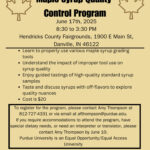
Indiana produces approximately 22,000 gallons of maple syrup each year, and this natural sweetener has a wide range of culinary uses. However, the flavor of maple syrup can be affected by various factors during the collection and processing of sap. To ensure high-quality syrup production, the University of Vermont Extension and the University of Maine…Read more about Purdue Hosts Maple Syrup Quality Control Training Program[Read More]
Vegetable Crops - General
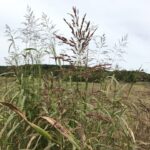
This article was originally published by the Department of Forestry and Natural Resources at Purdue University. The Managing Conservation Plantings series provides landowners and managers with science-based recommendations to combat many of the common issues that arise in native warm-season grass and wildflower conservation plantings. From battling problematic plants like sericea lespedeza (Figure 1) to…Read more about Managing Conservation Plantings Series Provides Science-Based Recommendations for Landowners, Managers[Read More]

Submit your content ideas for the 2026 Indiana Horticulture and Small Farm Conference. Do you want to hear from someone in particular or about a specific topic at this year’s newly combined conference? If so, please scan the QR code or follow the link below to submit your suggestions. The survey will be open until…Read more about Shape the Conversation: Submit Your Topics for Indiana’s 2026 Horticulture and Small Farm Conferences[Read More]
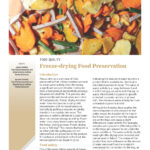
Freeze-drying is rapidly gaining momentum as a method for home food preservation as freeze-dryer units become more accessible to the general public. This unique process involves removing water from a food product to preserve its color, nutritional value, and structural integrity. In a recent Extension publication, two Purdue University researchers discuss food safety, dehydrating versus…Read more about New Publication – Freeze-drying Food Preservation[Read More]
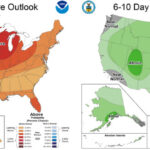
Precipitation in May has varied tremendously, but most of the state has generally been on the dry side. Areas from Vermillion and Parke Counties to Lake Michigan have received between 25% and 75% of the normal precipitation through May 27 (Figure 1). Conditions were dry enough that thunderstorm winds on May 16 prompted the National…Read more about Will May’s Mixed Precipitation and Temperatures Persist into June?[Read More]

Small and medium-sized vegetable farms face unique challenges balancing profitability with sustainable production practices and food safety requirements. To better understand how these farmers navigate complex decision-making processes, the Soil to Market Team—comprising Maria Marshall, Renee Wiatt, Petrus Langenhoven, Betty Feng, and Nathan Shoaf—conducted a comprehensive survey of 500 small and medium-sized farmers across the…Read more about Understanding Farm Decision-Making: Insights from the 2024-2025 Producer Survey[Read More]

Dear Valued VCH Readers, Welcome to this week’s edition of the Vegetable Crops Hotline! As we move deeper into the growing season, this week’s newsletter brings you essential insights to help navigate the challenges and opportunities ahead. From understanding what drives farm decision-making to managing the unpredictable weather patterns we’ve been experiencing, we’re covering the…Read more about From the Editor’s Desk[Read More]

The Southwest Purdue Agricultural Center (SWPAC) is one of the eight Purdue Agricultural Centers located across Indiana. What makes SWPAC unique is its location in the heart of Indiana’s watermelon-growing region—home to one of the state’s most significant specialty crop industries. In addition to watermelon and cantaloupe, southern Indiana is known for its diverse fruit…Read more about Southwest Purdue Agriculture Center Field Day Set for June 26[Read More]
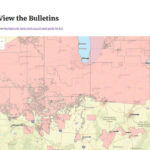
The EPA is enacting new requirements for agricultural pesticide applicators. An increasing number of pesticide labels require applicators to utilize an online system called Bulletins Live! Two to determine if additional pesticide use limitations are required to protect threatened or endangered species or habitat based on 1) application location, 2) pesticide product, and 3) application month. This…Read more about New EPA Requirement for Pesticide Application[Read More]
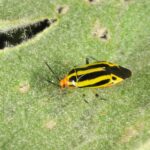
Last week, I had the wonderful opportunity to visit a local grower who installed an insectary strip adjacent to their high tunnel last year. They will be hosting a field day in June (Register HERE), so I wanted to take a sneak peek and see how the plants (and insects) were doing. The plants are…Read more about Introducing the Fourlined plant bug (Poecilocapus lineatus)[Read More]