
There are three important caterpillar pests of crucifers in Indiana, the imported cabbageworm, the cabbage looper, and the diamondback moth. Each of these caterpillars will feed on leaves and heads. All are capable of producing serious damage to most crucifers. The adult imported cabbageworm is a common white butterfly with black spots on the forewing…Read more about Caterpillars in Crucifers[Read More]
Insect and Mite Management
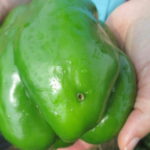
European corn borers used to be a serious pest of peppers. The larvae would burrow into the fruit under the cap, making it difficult to cull out infested fruit. With the widespread adoption of Bt corn by agronomic farmers, populations of corn borers have been greatly reduced. However, it appears that in the last couple…Read more about Caterpillars in Peppers[Read More]
When we first began working in high tunnels about 8 years ago, most of the popular literature said that the tunnels would provide protection from most insect pests, other than the usual greenhouse pests like aphids and mites. What we found very quickly is that that information was untrue. We found very high populations of…Read more about Caterpillars in High Tunnels[Read More]

In southern Indiana, we are between generations of striped cucumber beetles. That doesn’t mean there are none out there, but numbers are lower than they were and lower than they will be. The second generation should be coming out soon. Northern areas are a little behind. The biggest concern we have with the first generation…Read more about Striped Cucumber Beetles[Read More]
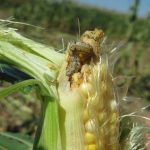
The first generation flight of corn earworm moths continues throughout the state. Heaviest populations as evidenced by pheromone trap catches have been in the northwest. This first generation flight should be ending soon. Then we will likely have a lull in catches for a while (several weeks) until the second generation emerges or we get…Read more about Corn Earworms[Read More]
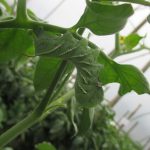
One of the most impressive insect pests that we deal with on vegetables are the hornworms (Figure 1 and 2). These two species, tomato and tobacco hornworm, can reach up to 4 inches long and consume massive quantities of foliage and fruit. In recent years, we have seen damage in high tunnels that is more…Read more about Hornworms[Read More]
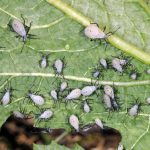
Squash bug is the most consistent insect pest of squash and pumpkins and is the most difficult to control (Figure 1 and 2). The key to management is early detection and control of the nymphs. The adults are extremely difficult to kill. Foliar insecticides should be applied to control the nymphs when you have more…Read more about Squash Bugs[Read More]
I have received some reports of Colorado potato beetles damaging both potatoes and tomatoes, including tomatoes in high tunnels. Both the adults and larvae are voracious feeders. As with most pests, it is best to get potato beetles under control before the populations get too high. Also, killing small larvae is easier than killing large…Read more about Colorado Potato Beetles[Read More]
Corn earworms are flying. I had 10 in my pheromone trap this morning (June 20). With the surrounding dent corn in most areas far from producing silks, the threshold for spraying silking sweet corn is 1 moth per night, well below what we are catching. So growers who have sweet corn with fresh silks are…Read more about Corn Earworm[Read More]
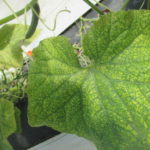
We have received a number of reports of spider mite problems lately. Some of them have been on crops grown in high tunnels, particularly tomatoes and cucumbers. High tunnels are the perfect environment for mites because it is hot, which means they reproduce faster, and the mites are protected from rainfall, which is a major…Read more about Spider Mites[Read More]