As we move through the growing season, several foliar diseases continue to be observed in watermelon fields across Indiana. The most common diseases this year have been Alternaria leaf blight and gummy stem blight, while anthracnose has been detected less frequently than in previous seasons. Because these diseases can cause similar symptoms in the field, accurate diagnosis and timely management are critical to protecting plant health and fruit quality.
Alternaria leaf blight
Although this is not a very common disease of watermelon in Indiana, Alternaria leaf blight is one of the most frequently observed foliar diseases this season. Symptoms typically begin as small brown lesions on older leaves. As lesions expand, they often develop characteristic concentric rings, giving them a “target spot” appearance. This disease is more common on cantaloupes (Figure 1). Under favorable conditions, lesions can merge, resulting in extensive blighting and premature leaf loss.
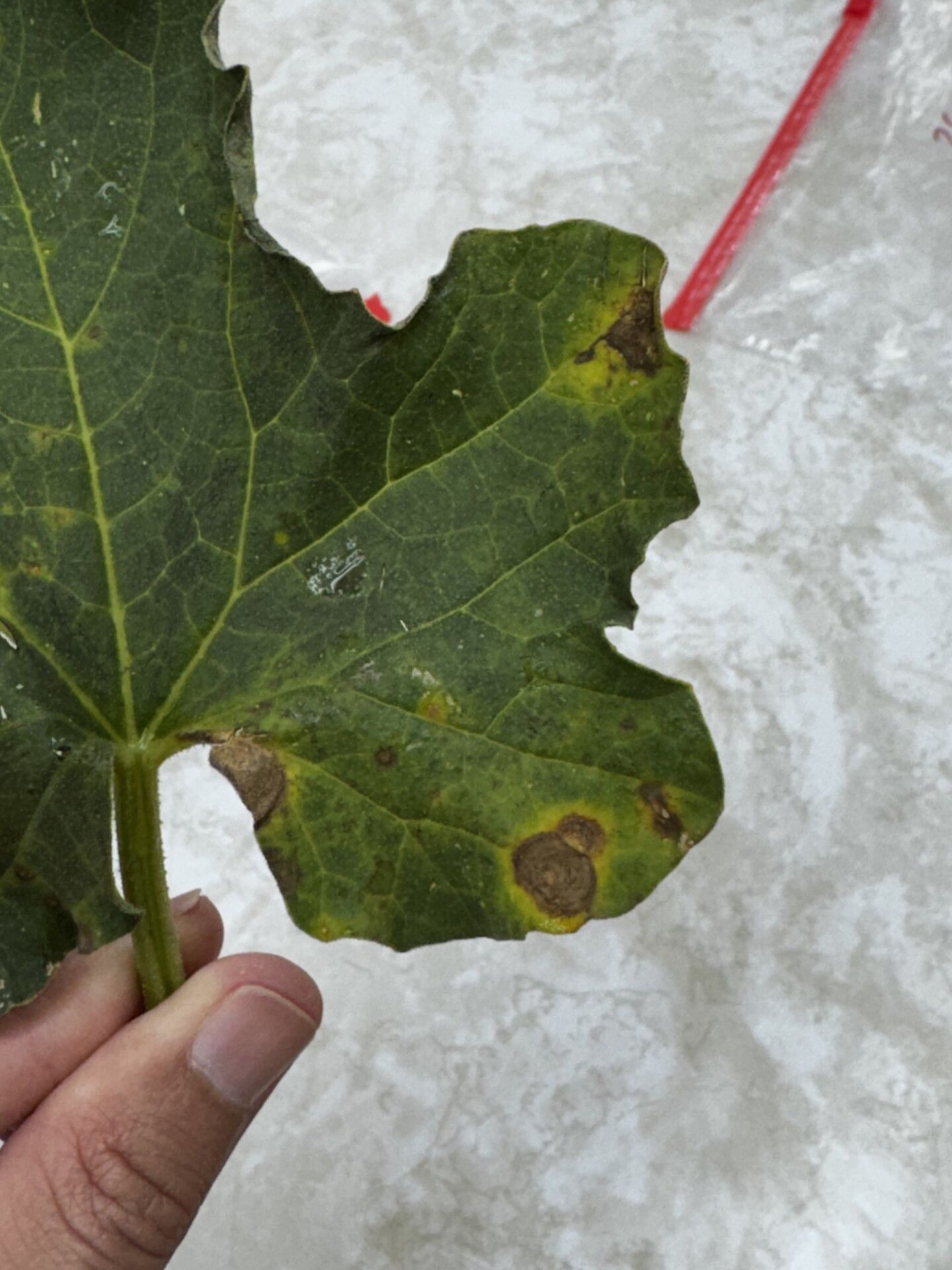
Figure 1. Cantaloupe leaf infected with Alternaria (Photo by Cesar Escalante).
Unlike gummy stem blight, Alternaria primarily affects leaf tissue and rarely causes significant stem lesions. Disease development is favored by warm temperatures, prolonged leaf wetness, and frequent rainfall or overhead irrigation.
Anthracnose
Anthracnose has been relatively uncommon in Indiana watermelon fields this year, although isolated cases have been identified. Foliar symptoms appear as irregular brown to black lesions that may become angular when restricted by leaf veins. The disease can also affect stems and fruit, where sunken lesions may develop (Figure 2). Anthracnose is favored by warm, wet weather and can spread rapidly during periods of frequent rainfall. Although less prevalent this season, growers should remain vigilant because outbreaks can develop quickly when environmental conditions become favorable.
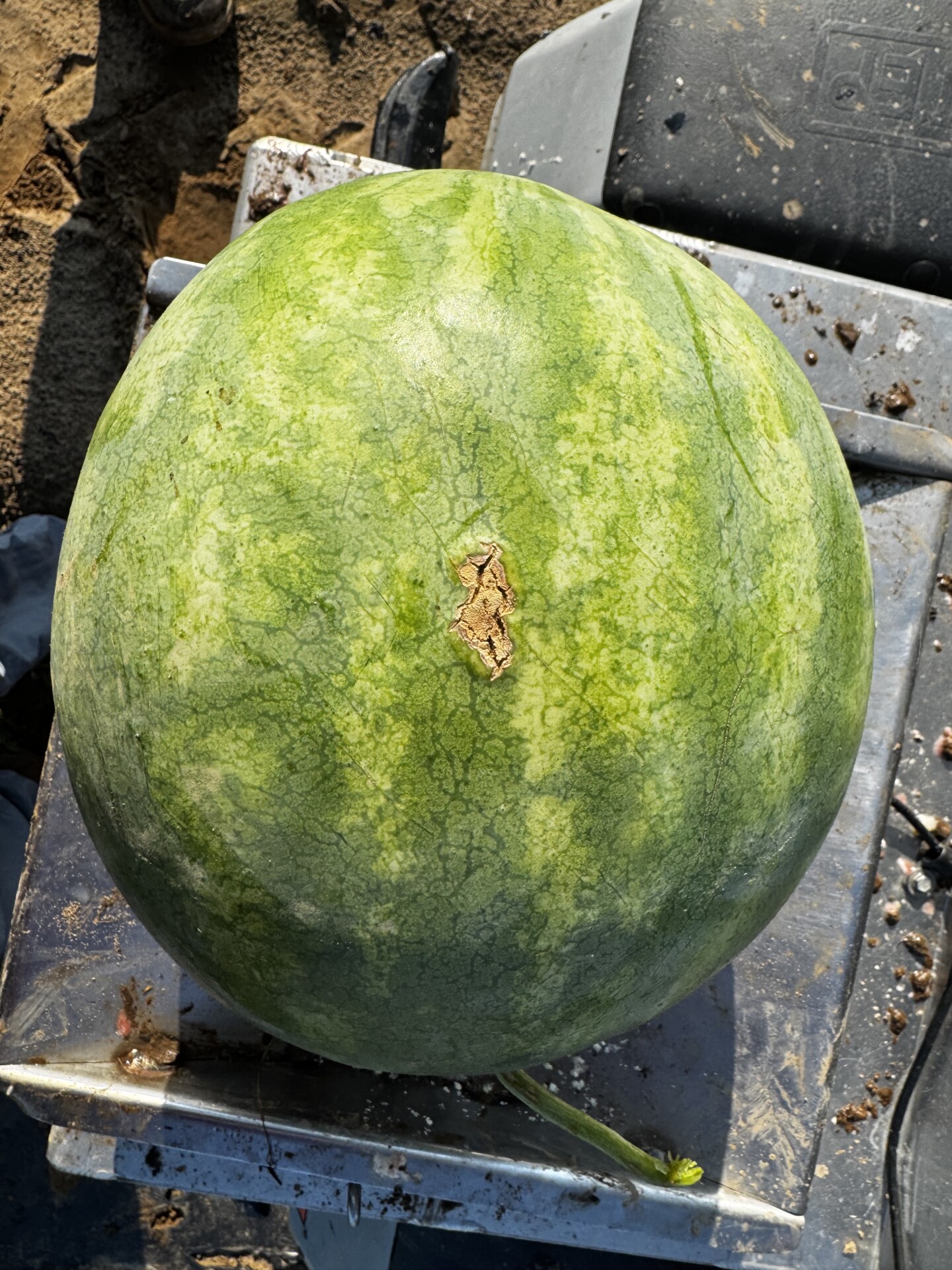
Figure 2. Mature watermelon fruit affected by anthracnose. Notice the sunken, circular lesions. Anthracnose can also affect leaves, which may later infect fruits in the same field (Photo by Cesar Escalante).
Gummy stem blight
I have recently observed gummy stem blight in watermelon sentinel plots at the Southwest Purdue Agricultural Center (SWPAC). Growers should begin scouting fields carefully for symptoms, which may include blighting along leaf margins (Figure 3), brown and decayed leaf petioles, tan to brown lesions on stems and vines, and amber-colored gummy exudates on infected tissues. One of the challenges with gummy stem blight is that the disease may primarily affect vines, making symptoms difficult to detect in fields with dense canopies. As vine growth increases, regular scouting becomes increasingly important.
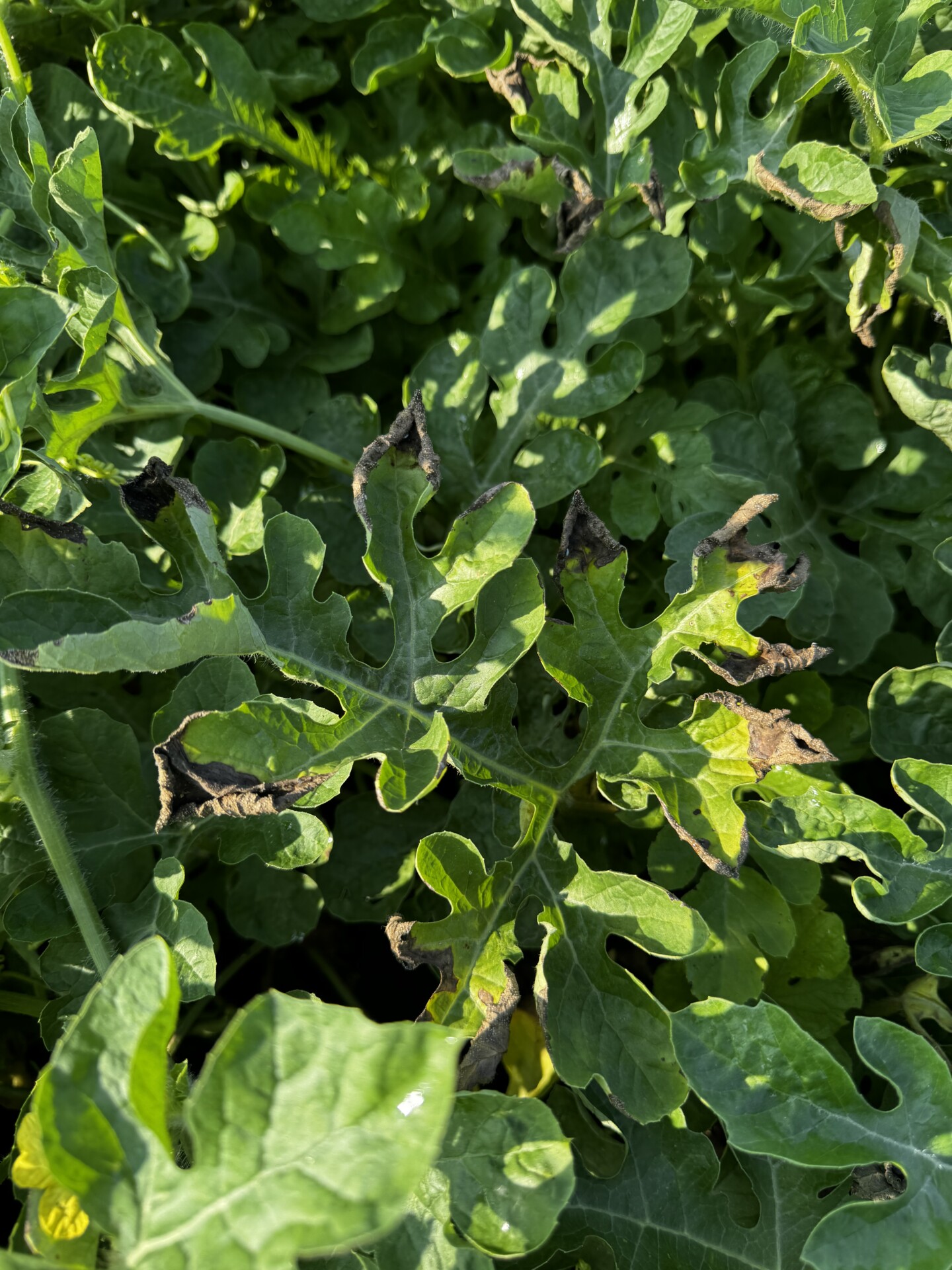
Figure 3. Early symptoms of gummy stem blight in watermelons. The fungus also affects vines and leaf petioles (Photo by Cesar Escalante).
Management considerations
Fortunately, management recommendations for Alternaria leaf blight, anthracnose, and gummy stem blight are generally similar. All three diseases are favored by extended periods of leaf wetness and can be managed through a combination of field scouting, crop rotation, residue management, and timely fungicide applications.
Many fungicides used for gummy stem blight also provide activity against Alternaria and anthracnose. Products such as Inspire Super®, Miravis®, Monsoon®, Quadris Top®, and Switch® can be valuable components of a disease management program when applied preventively or at the first signs of disease. However, growers should be aware that there are important exceptions. Certain products may provide better control of one disease than another, and fungicide efficacy can vary depending on pathogen, disease pressure, and resistance concerns. For specific fungicide recommendations and efficacy ratings for each disease, growers are encouraged to consult the Midwest Vegetable Production Guide or contact me directly to discuss management options for their fields.
As always, fungicides should be rotated among FRAC groups to help reduce the risk of fungicide resistance and preserve the effectiveness of available products.
Stay informed throughout the season
I encourage growers to regularly visit the MELCAST website and review the weekly disease updates posted throughout the growing season. These updates provide current observations from Indiana watermelon production regions, disease forecasts, and timely management recommendations to support informed fungicide decisions.
Finally, if you suspect gummy stem blight in your field, I would appreciate the opportunity to visit and collect samples as part of an ongoing study evaluating the genomic diversity and fungicide resistance of gummy stem blight populations in Indiana. Grower participation is essential for improving our understanding of this important disease and developing effective management strategies for the future. For questions regarding disease identification or management options, please feel free to contact me.