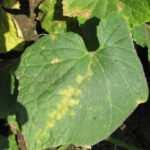
This article was published as a Hot Topic on August 7, 2026. The first symptoms of cucurbit downy mildew (Pseudoperonospora cubensis) on cucumber plants in a commercial field were confirmed in LaGrange County, Indiana, on July 29, 2026. Now is a good time to stay alert and scout fields for symptoms related to this disease. Remember, early detection…Read more about Downy Mildew Symptoms Confirmed in Indiana[Read More]
Cesar Escalante


You are invited to attend the SWPAC Vegetable Field Day on August 13, 2026, at the Southwest Purdue Agricultural Center (SWPAC) in Vincennes, Indiana. PARP credits will be offered at this event. This free educational event will provide an opportunity to learn about the latest research and Extension programs that support Indiana’s vegetable industry. Participants…Read more about Southwest Purdue Agriculture Center Vegetable Field Day – August 13[Read More]
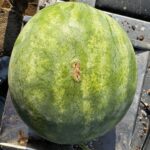
As we move through the growing season, several foliar diseases continue to be observed in watermelon fields across Indiana. The most common diseases this year have been Alternaria leaf blight and gummy stem blight, while anthracnose has been detected less frequently than in previous seasons. Because these diseases can cause similar symptoms in the field,…Read more about Common Foliar Diseases Observed in Indiana Watermelon Fields This Season[Read More]
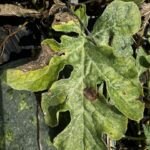
We have received heavy rainfall in recent days across several parts of Indiana. These conditions, combined with the current growth stage of melons (for example, the dense canopy resulting from active vegetative growth) can create favorable conditions for disease development. Diseases that may become problematic under these conditions include gummy stem blight and anthracnose (Figures…Read more about Wet Weather Increases Disease Risk in Cucurbits[Read More]

You are invited to attend the SWPAC Vegetable Field Day on August 13, 2026, at the Southwest Purdue Agricultural Center (SWPAC) in Vincennes, Indiana. PARP credits will be offered at this event. This free educational event will provide an opportunity to learn about the latest research and Extension programs that support Indiana’s vegetable industry….Read more about Purdue Vegetable Field Day SWPAC[Read More]

Author’s note: This article is adapted from a previous article published in Vegetable Crops Hotline, Issue 598, by Dr. Dan Egel Many growers have already finished transplanting watermelons and cantaloupes, while others completed planting a few weeks ago and may be preparing to begin fungicide applications. In many areas of Indiana, rainfall has been relatively…Read more about Optimizing Spray Applications Using MELCAST[Read More]
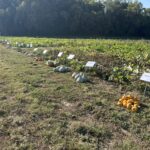
This article provides a summary of information provided by Purdue Extension specialists at the 2025 Southwest Purdue Agricultural Center (SWPAC) Pumpkin Field Day. Diverse Pumpkin and Winter Squashes Dr. Liz Maynard gave a presentation on the diversity of pumpkins and winter squashes, covering different market types, their botanical classifications, maturity indicators, and storage life. Dr….Read more about 2025 SWPAC Pumpkin Field Day Recap[Read More]
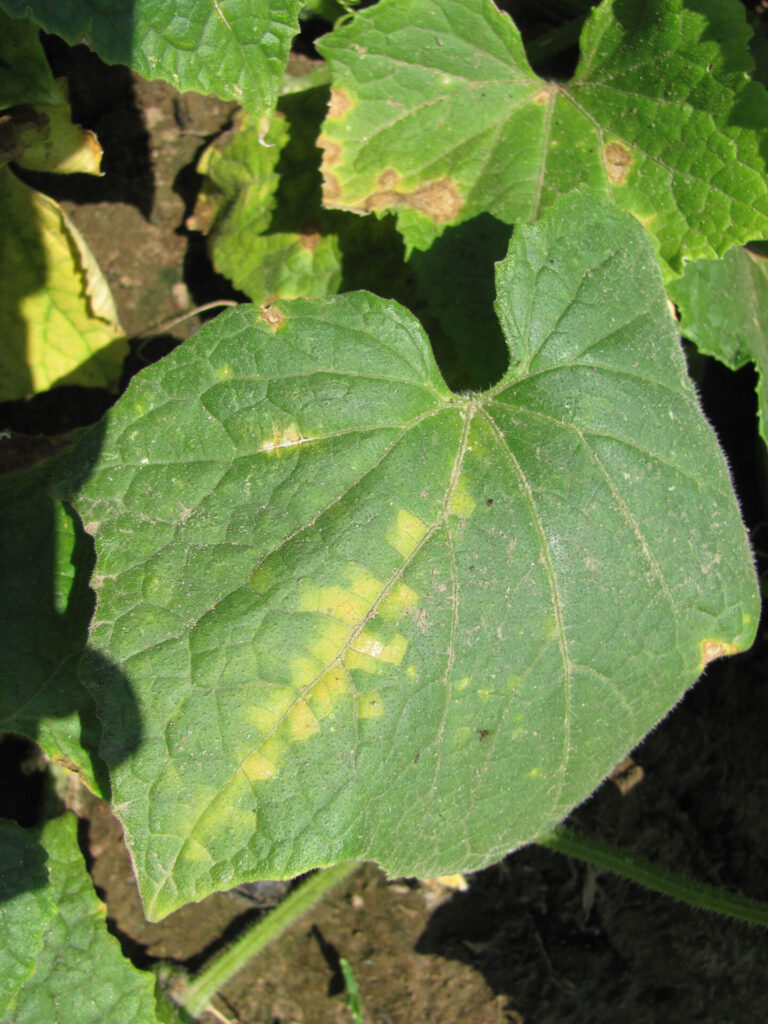
Last week, cucurbit downy mildew (Pseudoperonospora cubensis) was reported on cucumber in southwest Kentucky and northern Ohio. Last month, the disease was also reported in cucumber crops in Michigan. Being that close to Indiana, it is a good time to stay alert and scout fields for symptoms related to this disease. Remember, early detection of…Read more about Downy Mildew Confirmed in States Surrounding Indiana[Read More]
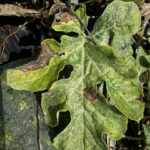
Multiple foliar pathogens (some of which are also major problems for fruits) are appearing in watermelon and cantaloupe crops. It is time to continue or begin fungicide applications to prevent diseases such as gummy stem blight (Figure 1), anthracnose (Figure 2), and Phytophthora blight. During recent field visits, I have observed gummy stem blight and…Read more about Disease Watch: Gummy Stem Blight, Anthracnose, and Phytophthora in Cucurbits[Read More]
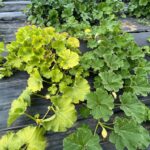
Introduction Cucurbit yellow vine disease (CYVD) is an emergent disease in the United States caused by the bacterium Serratia ureilytica, and it commonly affects zucchini, squash, watermelon, and melons. The pathogen that causes CYVD is transmitted by the squash bug (Anasa tristis, Figure 1), and other potential vectors include the striped cucumber beetle (Acalymma vittatum)…Read more about Pathogen Spotlight: Serratia ureilytica Causing Cucurbit Yellow Vine Disease[Read More]