
In 2023, BASF registered Rely® 280 for use in cantaloupe, cucumber, summer squash, watermelon, tomato, and pepper. The registration occurred as two separate supplemental labels- one for cucurbits and one for fruiting vegetables. Both supplemental labels were set to expire in December of 2025. These supplemental labels allowed for the use of Rely® 280 as…Read more about Rely® 280 Herbicide – Going, Going, Gone[Read More]
Cucumbers
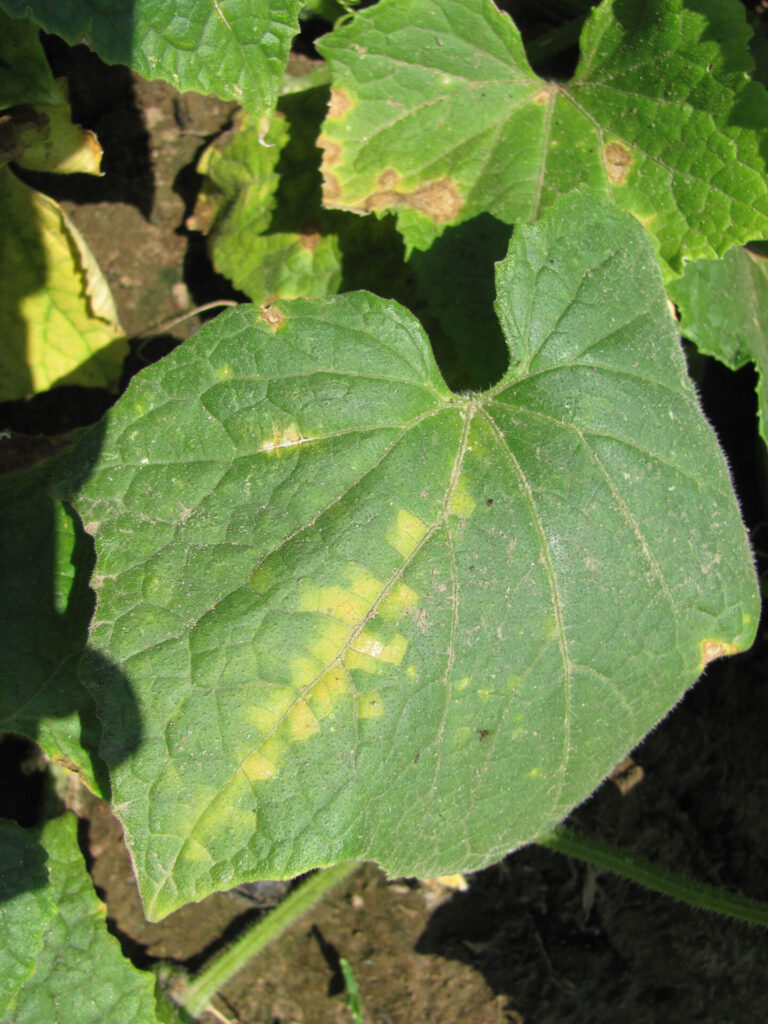
Last week, cucurbit downy mildew (Pseudoperonospora cubensis) was reported on cucumber in southwest Kentucky and northern Ohio. Last month, the disease was also reported in cucumber crops in Michigan. Being that close to Indiana, it is a good time to stay alert and scout fields for symptoms related to this disease. Remember, early detection of…Read more about Downy Mildew Confirmed in States Surrounding Indiana[Read More]
Planning your vegetable varieties for the upcoming season? Purdue University has maintained comprehensive records of vegetable variety trials throughout the Midwest since 1999. The Midwest Vegetable Trial Report series offers valuable applied research findings specifically relevant to vegetable and melon production in the Midwest region. Below, you’ll find abstracts from the most recent reports. For…Read more about Data-Driven Decisions: Choosing Vegetable Varieties with Midwest Trial Results[Read More]
It seems the season has shifted abruptly from wet to dry. Over the past week, we’ve begun to hear reports typically associated with hot and dry conditions. At the Southwest Purdue Agricultural Center, we conduct side-by-side comparisons of different fruiting vegetables under varying irrigation treatments. This article summarizes our observations on how different fruiting vegetable…Read more about Fruiting Vegetable Responses to Drought Stress[Read More]

Over the past two years, we’ve been testing various cucumber cultivars to see which ones are most vulnerable to pests in high tunnel systems. We split the cucumbers into two groups based on fruit characteristics for a fair comparison. The first group consists of pickle-type cucumbers, known for being small, blocky, and having thin skin….Read more about Selecting Your Ideal Cucumber Cultivar for High Tunnel Production[Read More]
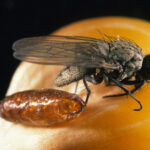
The seedcorn maggot, Delia platura, is one of the first pests that will cause damage to vegetables in the spring in our region. This fly, which resembles a house fly but is smaller (Figure 1), begins to emerge from the overwintering pupal stage in the soil in early spring. Upon emergence, the flies quickly aggregate…Read more about Insect Spotlight: Seedcorn Maggot[Read More]
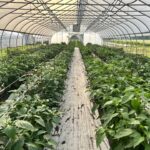
Are you still thinking about varieties for the upcoming season? Purdue has been keeping a record of vegetable variety trials in the Midwest since 1999. The Midwest Vegetable Trial Report series includes reports of applied research relevant to vegetable and melon production in the Midwest. Here are some abstracts of the most recent reports. Visit the Midwest Vegetable…Read more about Selecting Vegetable Varieties for Your Farm[Read More]
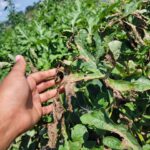
Earlier this year, Rely® 280 was registered for use in transplanted cantaloupe, cucumber, pepper, summer squash, tomato, and watermelon with a supplemental label. The registration allows for the use of Rely® 280 for pre-plant burndown and post-directed applications to row middles. Previously, postemergence burndown and row middle options were limited to glyphosate (Roundup®), carfentrazone (Aim®),…Read more about Rely® 280 Added to Row Middle Weed Control Arsenal in Select Crops[Read More]
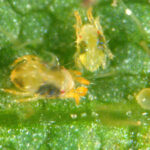
Are you interested in collaborating with Purdue Entomology on the grant “Improving two-spotted spider mite management in high tunnel cucumber production” funded by North Central SARE, Sustainable Agriculture Research and Education (LNC20-438)? The primary objectives of this research are to increase our understanding of two-spotted spider mite dynamics and management in a high tunnel cucumber…Read more about Looking for Collaborators on High Tunnel Spider Mite Project[Read More]
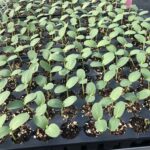
Most of us know a temperature lower than 32°F would kill tender vegetables like tomatoes, peppers, melons, and cucumbers. Home gardeners would wait to plant those crops after the last frost passed, but commercial farmers may take the risk of planting earlier to capture early-season premium prices. Farmers use various strategies, i.e., high tunnels, low…Read more about Check Soil Temperatures Before Planting Cold Sensitive Crops[Read More]