
You are invited to attend the SWPAC Vegetable Field Day on August 13, 2026, at the Southwest Purdue Agricultural Center (SWPAC) in Vincennes, Indiana. PARP credits will be offered at this event. This free educational event will provide an opportunity to learn about the latest research and Extension programs that support Indiana’s vegetable industry. Participants…Read more about Southwest Purdue Agriculture Center Vegetable Field Day – August 13[Read More]
Watermelon
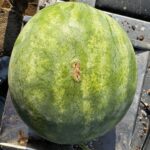
As we move through the growing season, several foliar diseases continue to be observed in watermelon fields across Indiana. The most common diseases this year have been Alternaria leaf blight and gummy stem blight, while anthracnose has been detected less frequently than in previous seasons. Because these diseases can cause similar symptoms in the field,…Read more about Common Foliar Diseases Observed in Indiana Watermelon Fields This Season[Read More]

You are invited to attend the SWPAC Vegetable Field Day on August 13, 2026, at the Southwest Purdue Agricultural Center (SWPAC) in Vincennes, Indiana. PARP credits will be offered at this event. This free educational event will provide an opportunity to learn about the latest research and Extension programs that support Indiana’s vegetable industry….Read more about Purdue Vegetable Field Day SWPAC[Read More]

In 2023, BASF registered Rely® 280 for use in cantaloupe, cucumber, summer squash, watermelon, tomato, and pepper. The registration occurred as two separate supplemental labels- one for cucurbits and one for fruiting vegetables. Both supplemental labels were set to expire in December of 2025. These supplemental labels allowed for the use of Rely® 280 as…Read more about Rely® 280 Herbicide – Going, Going, Gone[Read More]
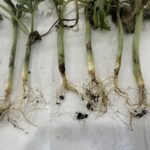
We have experienced several cool days over the past two weeks. One watermelon trial at Southwest Purdue Ag Center was planted on May 4, and during the two days following transplanting, recorded air temperatures dropped below 50°F. We evaluated plant survival 9 days after transplanting. In this trial, we had grafted and non-grafted seedless watermelons…Read more about Watermelon Plant Survival[Read More]

A cold snap is forecast for this weekend, although temperature predictions vary slightly across weather sources. At the same time, some early plantings of watermelon and cantaloupe are already in the field in southern Indiana, or seedlings have already arrived and are waiting to be planted. What steps can growers take to protect these young…Read more about Coming Cold Snap: When to Plant Watermelons and Considerations Under Suboptimal Temperature Conditions[Read More]
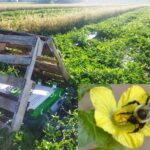
Seedless watermelons are extremely dependent on pollinators for yield. A pollinator, typically a bee, has to first visit a male flower from a pollinizer plant (pollen donor) and then deposit the pollen on a female flower from the seedless plant. That pollinated female flower will become a seedless watermelon fruit. This pollen-transfer job can be…Read more about Do Managed Bumble Bees Contribute to Seedless Watermelon Pollination?[Read More]

The Southern Indiana Melon and Vegetable Growers Meeting is scheduled on Jan. 16, 2026, at French Lick Resort (French Lick Resort & Casino, 8670 IN-56, French Lick, IN 47432). The meeting agenda can be accessed here. The meeting registration fee is $30, including lunch. Registration fee will be collected on-site by the Indiana Vegetable Growers…Read more about 2026 Southern Indiana Melon and Vegetable Growers Meeting[Read More]
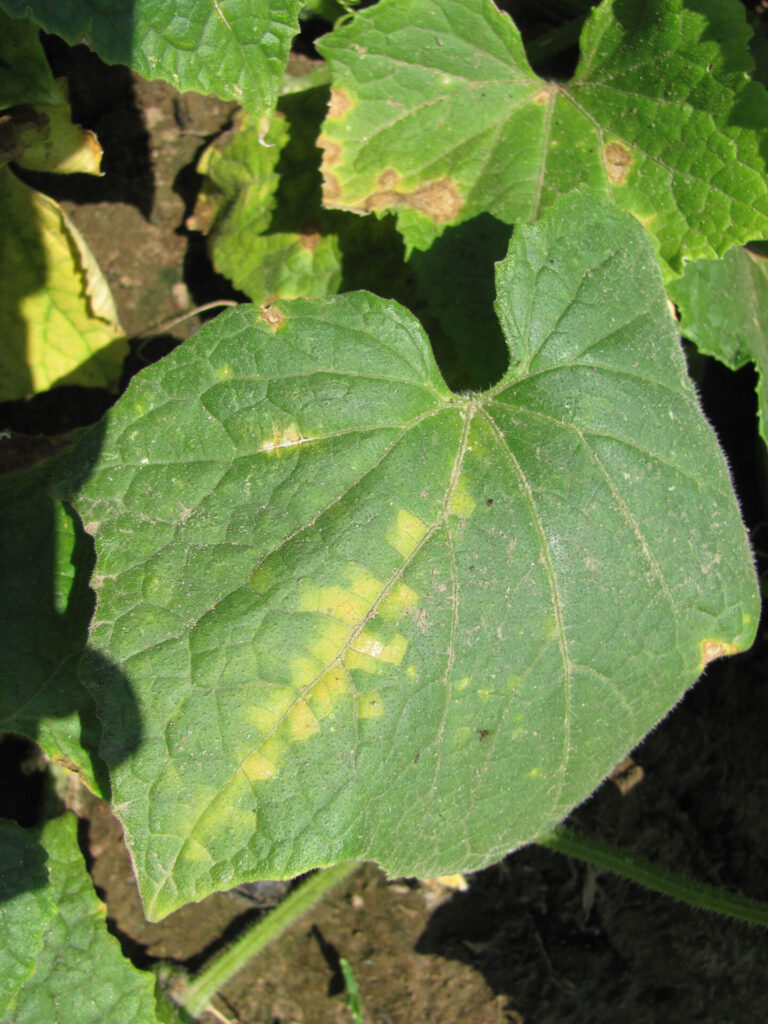
Last week, cucurbit downy mildew (Pseudoperonospora cubensis) was reported on cucumber in southwest Kentucky and northern Ohio. Last month, the disease was also reported in cucumber crops in Michigan. Being that close to Indiana, it is a good time to stay alert and scout fields for symptoms related to this disease. Remember, early detection of…Read more about Downy Mildew Confirmed in States Surrounding Indiana[Read More]

This Tuesday, July 29th – The Southwest Purdue Ag Center invites growers to attend their Watermelon Variety Evaluation Open House from 1:00 to 4:00 PM EDT. With the event just days away, now is the perfect time to plan your visit and discover which watermelon varieties could enhance your operation. This self-guided field tour allows…Read more about Don’t Miss This Week’s Watermelon Variety Evaluation Open House[Read More]