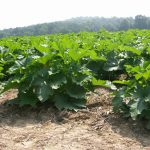
I have received several calls about pumpkins recently. This article will outline a few steps growers should think about to prevent diseases in pumpkins. Virus diseases – There are several virus diseases that affect pumpkins in the Midwest. The most important diseases include: papaya ring spot, watermelon mosaic and zucchini yellow mosaic virus. Aphids transmit all these…Read more about Pumpkin Disease Management Steps[Read More]
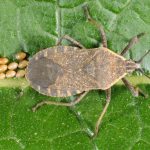
Squash bug is the most consistent insect pest of squash and pumpkins and is the most difficult to control. The key to management is early detection and control of the nymphs. The adults are extremely difficult to kill (Figure 1). Foliar insecticides should be applied to control the nymphs (Figure 2) when you have more…Read more about Squash Bugs[Read More]

We are familiar with strawberries grown as a perennial crop in Indiana. Bare root strawberry plants are set in the spring. Fruit is first harvested in the second year and the planting is renovated annually. Using this system, strawberry seasons last for three to four weeks from middle May through June. The traditional system has been…Read more about Evaluation of Strawberry Varieties for High Tunnel Production[Read More]
The Indiana Pesticide Clean Sweep Project is a great opportunity to legally dispose of unwanted chemicals. It is free of charge up to 250 pounds. To dispose of pesticides, complete the Pesticide Clean Sweep Planning form (the form is attached with the newsletter) and mail, fax or e-mail the completed form to Kevin Neal at Purdue University. 175…Read more about Time to Dispose of Unwanted Pesticides[Read More]
High Tunnel Tour at SWPAC Date: August 22, 2016 7:00 PM to 8:30 PM Location: Southwest Purdue Agricultural Center, 4369 North Purdue Road, Vincennes, IN 47591 Please join us for a high tunnel tour at the Southwest Purdue Ag Center. You will learn about high tunnel tomato diseases and management, end of season field sanitation, potential…Read more about Upcoming Events[Read More]
Purdue University prohibits discrimination against any member of the University community on the basis of race, religion, color, sex, age, national origin or ancestry, genetic information, marital status, parental status, sexual orientation, gender identity and expression, disability, or status as a veteran. This material may be available in alternative formats. 1-888-EXT-INFO Disclaimer: Reference to products in this publication is not intended to be an endorsement to the exclusion of others which may have similar uses. Any person using products listed in this publication assumes full responsibility for their use in accordance with current directions of the manufacturer.