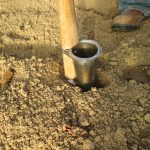
We can never emphasize too much the importance of conducting soil tests. Ideally, soil test should be conducted on a yearly basis. The reason soil testing is so important is because it provides information about the nutrient composition of the soil so that growers will know how much fertilizer to apply for the following season….Read more about Soil Tests[Read More]
Vegetable Crops - General

Screening can be an effective measure to exclude unwanted pests from colonizing your crops. In high tunnels, one of the biggest challenges to successfully implementing exclusion screening is managing the unintended side effect: reduced airflow. In spring we are clamoring to get inside the warmth that high tunnels provide, but by mid-summer they can become…Read more about High Tunnel Screening for Insect Pest Management[Read More]
The North Central Regional FSMA Center is again seeking fresh produce growers input in order to determine how they can help growers comply with the Produce Safety Rule of FSMA. This is the second survey for fresh produce growers and will take about 5 minutes to complete. Your inputs, whether you responded to the first…Read more about North Central Regional Center for FSMA Training, Extension, and Technical Assistance Seeking Grower Input – Round 2[Read More]
Vegetable growers are familiar with pesticide labels that specify how much of a product may be applied. As commercial growers, we usually think about such instructions as telling us how much pesticide is the right amount to apply to a crop to be effective. While such an interpretation is correct, there is more to the labeled rates…Read more about The Results are in: Pesticide Residues in Produce[Read More]
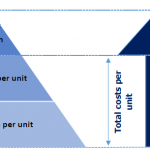
Fall is already here and winter is closer than expected. As business starts to slow take the opportunity to reflect on what was great, good, or not-so-good during this growing season. This time of year also brings the opportunity to start planning next year’s strategies. Pricing strategy is one of the key strategies influencing your…Read more about The Top Five Things to Consider Before Pricing Your Products[Read More]
The Midwest Cover Crops Council (MCCC) strives to facilitate widespread adoption of cover crops throughout the Midwest, to improve ecological, economic, and social sustainability. The Cover Crop Decision Tool is an initiative by the MCCC to consolidate cover crop information by state to help farmers make cover crop selections at the county level. The tool…Read more about Cover Crop Decision Tool for Vegetable Growers – Discussion on November 7th[Read More]
As Indiana growers finish up the 2017 season, it is important to remember to clean and sanitize equipment and tools. In this article, I would like to discuss the importance of and how to sanitize. Bacteria and fungi that cause plant disease may survive on some types of equipment. Examples include: stakes, transplant trays, shovels, greenhouse…Read more about Fall Clean and Sanitize[Read More]
Usually I wait until January before releasing information about the Midwest Vegetable Production Guide for Commercial Growers (ID-56). For two reasons, however, I would like to talk about the 2017 ID-56 now. This year, we welcome Michigan growers and Michigan State University to the Midwest Vegetable Production Guide The Guide is now an 8-state publication….Read more about MW Vegetable Guide for 2017[Read More]
We are planning programs for the 2017 Indiana Horticultural Congress and other winter meetings. We really hope these meetings can benefit you. Please let us know what you want to hear and who you want to hear it from. Call or email with suggestions. Thanks!!

Southwest Indiana Melon and Vegetable Growers’ Technical Meeting Date: November 28, 2016 5:00 PM to 8:00 PM (EST) Location: Southwest Purdue Ag Center (SWPAC), 4369 N. Purdue Road, Vincennes, IN The meeting will start at 5 P.M. for board members to discuss topics for the March meeting. Any member who wants to participate in the discussion is welcome….Read more about Upcoming Events[Read More]