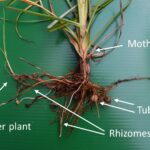
Common names: Yellow nutsedge, yellow nutgrass, nut sedge, chufa, earth almond, northern nutgrass Latin names: Cyperus esculentus L. Family: Cyperaceae (Sedge family) General Description Perennial sedges are among the most troublesome weed species globally across agronomic crops, horticultural crops and turfgrass. Because nutsedges look like grasses (Figure 1), they are often referred to as “nutgrasses”….Read more about Weed Spotlight: Yellow Nutsedge[Read More]
Weed Management
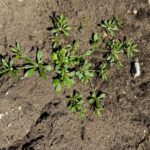
Common names: Carpetweed, Indian chickweed, whorled chickweed, devils-grip, green carpetweed Latin name: Mollugo verticillata L. Family: Molluginaceae General Description and Life Cycle Carpetweed is a summer annual. Compared to other summer annual weeds, its germination is usually later in the summer. The plant grows rapidly and reproduces by seeds. Carpetweed is mostly found in dry…Read more about Weed spotlight: Carpetweed[Read More]
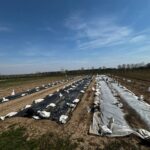
The use of silage tarps for weed management has increased dramatically in recent years, including in our own research in the Horticulture Crops Weed Science Lab at Purdue University. This article answers five common questions about tarping for weed management. What are silage tarps? Silage tarps are reusable, opaque plastic sheets that are black on…Read more about Silage Tarps for Small Farm Weed Management[Read More]

Common names Common milkweed, silkweed, cotton-weed, Virginia silk, wild cotton, silky milkweed, common silkweed, showy milkweed, swallow wort. Latin name Asclepias syriaca. “Asclepias” from Asklepios, the Ancient Greek god of medicine and healing. “syriaca” is Latin for the country of Syria and was so named because Linnaeus mistakenly thought this plant came from Syria. Family…Read more about Weed Spotlight: Common Milkweed[Read More]
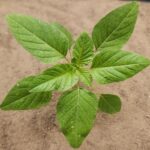
Common names: Palmer amaranth, Palmer pigweed, carelessweed, and dioecious amaranth. Latin name: Amaranthus palmeri. “Amaranthus” is derived from the Greek word “amarantus” meaning “everlasting flowers”. This is a reference to the showy bracts (modified floral leaves) of Amaranthus species that persist well after the plants have flowered and set seed. “palmeri” is a reference to…Read more about Weed Spotlight: Palmer Amaranth[Read More]
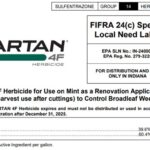
Indiana mint growers have a newly registered use for a familiar herbicide. Spartan®, already labeled for use in newly planted and dormant mint, can now be applied as a post-harvest application in Indiana with a new 24(c) Special Local Needs label (Figure 1). Here is what you need to know -An application can only be…Read more about New Spartan® 4F Herbicide Label for Mint Growers[Read More]
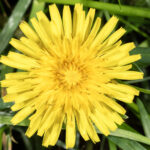
Common names: Dandelion, lions-tooth, blow-ball, cankerwort, Irish daisy, pee-a-bed, wet-a-bed Latin name: Taraxacum officinale Family: Asteraceae (Aster family, sunflower family) Life Cycle Dandelion is a perennial weed that reproduces by seed. Seeds germinate in spring and summer, and seedlings form a rosette (Figure 1). Dandelions begin flowering in their second year of growth, with concentrated…Read more about Weed Spotlight: Dandelion[Read More]
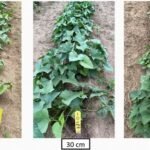
Background Sweet potato is a staple crop that provides nutritional benefits to humans globally, but weed interference (Figure 1) can reduce yields by 22 to 90%. Despite increased organic sweet potato production in the United States, growers face challenges with limited weed management options and often resort to cultivation and hand-weeding. Objectives and Methodology To…Read more about Findings From Two Years of Organic Sweet Potato Weed Management Research[Read More]

ON-SITE REGISTRATION AVAILABLE (Lunch not guaranteed with on-site registration) The 7th Annual Midwest Mechanical Weed Control Field Day is heading to Meigs Horticulture Research Farm in Lafayette, IN, in 2024! This amazing event consistently draws more than 150 farmers from around the Midwest to hear from experts, meet with company representatives, network with other farmers,…Read more about 2024 Midwest Mechanical Weed Control Field Day[Read More]
Weeds can quickly take over vegetable farms, reducing yield and interfering with harvest. Effective weed management is vital for keeping farms efficient and productive. Because every farm is unique, there is no universal weed management solution. Prior to implementing a weed control strategy, you should properly identify the problematic weeds on your farm and establish…Read more about Weed Management Strategies for Vegetable Farms[Read More]