
In a producer survey done in 2024-2025 by the Soil to Market Team (Maria Marshall, Renee Wiatt, Petrus Langenhoven, Betty Feng, and Nathan Shoaf), small and medium farms were asked questions related to decisions, operations, and people on the farm. Some of those questions inquire about their interactions with and considerations of customers. From interacting…Read more about Small and Medium Farms: Does Focusing on and Communicating with Customers Pay Off?[Read More]
Found 156 Articles

As spring brings life back into our high tunnels, it also awakens more than just our crops. This year, our spinach beds became an early battleground in the age-old story between pests and their natural enemies. From the first warm days, we began spotting tiny green aphids clustering on young spinach leaves, sucking sap, and…Read more about Tiny Allies in the Tunnels[Read More]
The Clearspring Produce Auction is located just 2 miles south of US 20 in Clearspring Township in the Heart of the LaGrange-Elkhart Amish Settlement. It is within easy driving distance of the towns of Shipshewana, Topeka, Emma, and LaGrange. Produce is sold three days a week (Tuesday, Thursday, and Friday) throughout most of the growing…Read more about Clearspring Produce Auction Price Update[Read More]
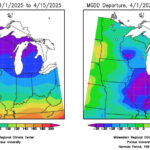
Despite the wet start to the month, the entire state saw less than 50 percent of normal rainfall from April 10 to 16, and in some cases, less than 10 percent of normal rainfall (Figure 1). This was helpful, especially since some locations are still dealing with river flood warnings and ponded, saturated fields. This…Read more about Wet Pattern to Return[Read More]
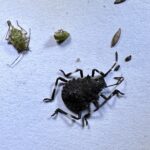
Lygus is a genus of insects within the family Miridae (Order: Hemiptera, piercing-sucking true bugs) that often feed on common horticultural crops. These small insects have rather large eyes, heavily patterned, neutrally colored wings, and long, spindly antennae. The diet of Lygus bugs, as they are colloquially called, is incredibly diverse, ranging from cotton and…Read more about Insect Spotlight: Lygus Bugs[Read More]

Introduction Ensuring the microbial safety of fresh produce is a critical step in preventing foodborne illnesses and safeguarding public health. Fresh produce is often exposed to contaminants during various stages of production, including growing and harvesting, where it can come into contact with soil, irrigation water, compost and wildlife (Dogan et al., 2023; Rock et…Read more about Understanding the Impact of Organic Matter on Free Available Chlorine (FAC) Concentration in Postharvest Water[Read More]
Dear Valued VCH Readers, Welcome to this week’s edition of the Vegetable Crops Hotline! As spring field activities continue to be limited by the recent wet conditions, we have several timely updates to share. In this issue, we explore the impact of organic matter on chlorine sanitizers in postharvest washing, spotlight the troublesome Lygus bugs…Read more about From The Editor’s Desk[Read More]


Purdue University prohibits discrimination against any member of the University community on the basis of race, religion, color, sex, age, national origin or ancestry, genetic information, marital status, parental status, sexual orientation, gender identity and expression, disability, or status as a veteran. This material may be available in alternative formats. 1-888-EXT-INFO Disclaimer: Reference to products in this publication is not intended to be an endorsement to the exclusion of others which may have similar uses. Any person using products listed in this publication assumes full responsibility for their use in accordance with current directions of the manufacturer.