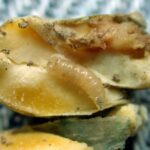
Whether the focal crops are vegetables, field corn, or soybeans, we’re hearing from growers that poor germination has been an issue this season. The cool, wet conditions we’ve had this spring have delayed seedling germination and growth, and this just happens to be the perfect scenario for seed and root maggots to do their worst…Read more about Vegetable Seedlings with Emergence Issues? Seed Corn Maggot may be to Blame.[Read More]
Corn
At the Pinney Purdue Ag Center in northern Indiana we had plots in 2020 with no-till sweet corn, pumpkins and winter squash following a rye cover crop. As is common when adapting new planting and tillage systems, we had both challenges and successes. Check out the video presentations to see photos of the plots, and…Read more about No-till Sweet Corn, Pumpkin and Winter Squash after Winter Rye – Reports from 2020[Read More]
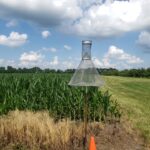
After weeks of successive trap catches in the double digits, our recent catches have gone down. Be sure to check the CEW trapping website for updates daily. At this point in the season, when field corn is in the silking stage, the threat to sweet corn, and potentially hemp, goes down. The current action threshold…Read more about Corn Earworm Trapping Update[Read More]

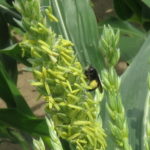
The sweet corn variety plots at Pinney Purdue provide a good chance to observe sweet corn insects. In late July I observed two caterpillars that surprised me. The first was European Corn Borer (ECB), in the tassel where they are often found (Figures 1 & 2). It was a surprise because I have seen many…Read more about Sweet Corn Insect Observations[Read More]
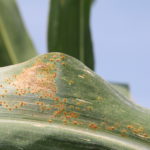
This article is modified from Darcy Telenko’s article about field corn in a recent Purdue Pest and Crop newsletter. Southern rust of corn is normally a disease of tropical areas. During summer months, however, the fungus which causes southern rust, Puccinia polysora, may move into Indiana or other Midwestern states. Southern rust has officially been confirmed…Read more about Southern Rust on Sweet Corn in Indiana[Read More]
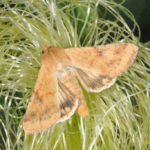
We have begun our state-wide trapping and monitoring program for corn earworm (Figure 1). The latest trap catch information can be found here. Traps have been placed at each of the eight Purdue Agricultural Centers throughout the state. Trap catches at the reporting farms are already in the double digits. Please refer to E-31 to…Read more about Corn Earworm Trapping is Underway[Read More]
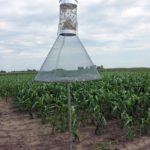
Corn earworm moth numbers have been relatively low this season until recently, as numbers have exploded in pheromone traps. These moths will lay their eggs on numerous crops, with late-market sweet corn being particularly vulnerable at this time. Tomato and pepper growers should also be aware of the potential for earworm (also called fruitworm) damage,…Read more about Corn Earworm Late Moth Flight Quite Impressive[Read More]
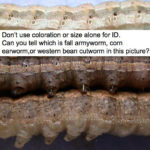
Several caterpillars in the ear can be very similar in appearance and habits, so identification to species of some of the worms in ears can be tricky. Note that, in general, you cannot use overall body color or damage for identification. Some identification tips, though not foolproof, appear below for the corn earworm, western bean…Read more about Know Your Worms in the Ear[Read More]
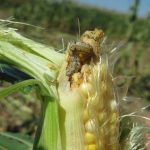
Now is a good time to begin your plans for managing corn earworms (Figure 1) in your sweet corn. Below are several tips that will help you in this process: Make sure you have a corn earworm pheromone trap and earworm pheromones. See the article below for details. Consider planting Bt sweet corn, especially for…Read more about Corn Earworm[Read More]