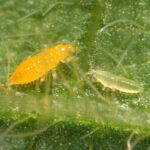
Tomato spotted wilt virus (TSWV) is a plant disease caused by a virus that infects more than 1,000 species of plants, including ornamentals and vegetables. Visual symptoms of TSWV vary depending on the plant that is infected, but general characteristics include yellow or brown ringspots on fruit and small, dark-colored ringspots on foliage that may…Read more about Tips for Managing Tomato Spotted Wilt Virus (TSWV)[Read More]
Insect and Mite Management

Since hemp is still a relatively new crop in our state, we’re excited to learn more about the insect communities that are associated with this crop! For the last six weeks or so, my lab team, led by Master’s student Zach Serber (Figure 1), has been scouting outdoor CBD hemp plants for insects and their…Read more about Observations of Insect Communities on Outdoor CBD Hemp[Read More]
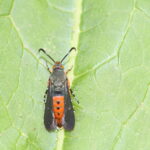
In the past two weeks we have heard reports of the Squash vine borer (Figure 1) being spotted in some local gardens. This pest of cucurbit crops tends to be sporadic in our region; you are either battling it every year or it hardly makes an appearance. The squash vine borer is a member of…Read more about Watch for a New Culprit Wilting Your Cucurbits![Read More]
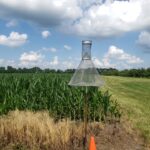
After weeks of successive trap catches in the double digits, our recent catches have gone down. Be sure to check the CEW trapping website for updates daily. At this point in the season, when field corn is in the silking stage, the threat to sweet corn, and potentially hemp, goes down. The current action threshold…Read more about Corn Earworm Trapping Update[Read More]
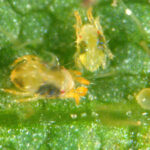
While we might be struggling with the heat and lack of rain, there is one pest that is loving it, Mites! Now is the time to be on your toes watching out for this pest. Early detection and treatment are key. In protected environments prevention and early intervention are especially important; In the field, heavy…Read more about Mites on the Rise[Read More]
The Purdue Extension Entomology Vegetable Team has a new website available for you to stay in touch and access resources for pest management in your vegetables, wherever and however you grow them! It is also the place to stay updated with the CEW trapping for 2020 by following the page to this location. Check it…Read more about Updated Resources to Check Out![Read More]
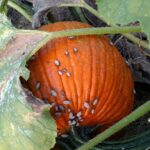
Squash bugs are a pest of cucurbit crops and can sometimes go unnoticed until late in the season when the local populations have built up and you see them in high numbers (Figure 1) attacking the fruits of your crop. Squash bugs are similar in appearance to stink bugs but smell much more pleasant (in…Read more about Now is the Time to Treat Squash Bugs[Read More]
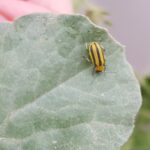
While in your fields in the last week you may have noticed fewer striped cucumber beetles on the leaves and stems of the growing cucurbit plants (Figure 1). This is because there are two generations of this pest in Indiana; the 1st generation adults that overwintered in the field have mated and left behind their…Read more about Cucumber Beetle Updates and Spray Considerations[Read More]
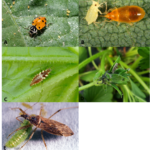
Aphids have been a particularly challenging pest to get under control in our high tunnel strawberries this year. They quickly colonized the strawberries we had growing all winter and took off as the weather warmed (Figure 1). In my first attempt to knock them back I introduced 2,000 lacewing larvae (22-Apr), too little too late….Read more about Organic Aphid Control Update[Read More]