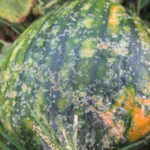
This time of year you are likely getting bogged down in the fight against pests. The accumulation of plant pathogens, insects, and climatic conditions favoring their growth can make the last few weeks of harvest feel like the toughest point in the battle. For cucurbit growers in particular, there are a number of insect pests…Read more about Cucumber Beetles Just Don’t Quit![Read More]
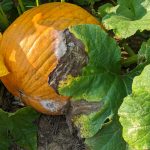
Phytophthora blight was a serious disease this past season. As a result, I have had many questions about managing this disease. The following article is an update of a previous article on this subject. The questions I have been asked have ranged from what do I spray to how does this disease work? Therefore, I…Read more about Phytophthora Blight of Cucurbits[Read More]
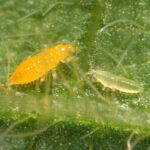
Tomato spotted wilt virus (TSWV) is a plant disease caused by a virus that infects more than 1,000 species of plants, including ornamentals and vegetables. Visual symptoms of TSWV vary depending on the plant that is infected, but general characteristics include yellow or brown ringspots on fruit and small, dark-colored ringspots on foliage that may…Read more about Tips for Managing Tomato Spotted Wilt Virus (TSWV)[Read More]

The rain events northern Indiana saw last week may be the last significant precipitation seen in Indiana for the next several weeks. The US Drought Monitor has already place most of the state in abnormally dry to moderate drought conditions and there doesn’t seem to be much relief in sight. South-central Indiana’s precipitation amounts so…Read more about Dry Conditions Expected for the Rest of September[Read More]
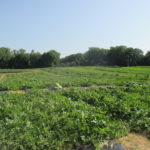
Thanks to growers’ collaboration and help from Superior Ag, we collected plant tissue samples from 12 watermelon fields at different crop growing stages in Southern Indiana in the 2020 season. In this article, I want to discuss two of the issues that standout from these tests. One is the generally low or deficient Magnesium (Mg)…Read more about Survey of Watermelon Nutritional Status in Southern Indiana — Magnesium and Potassium[Read More]
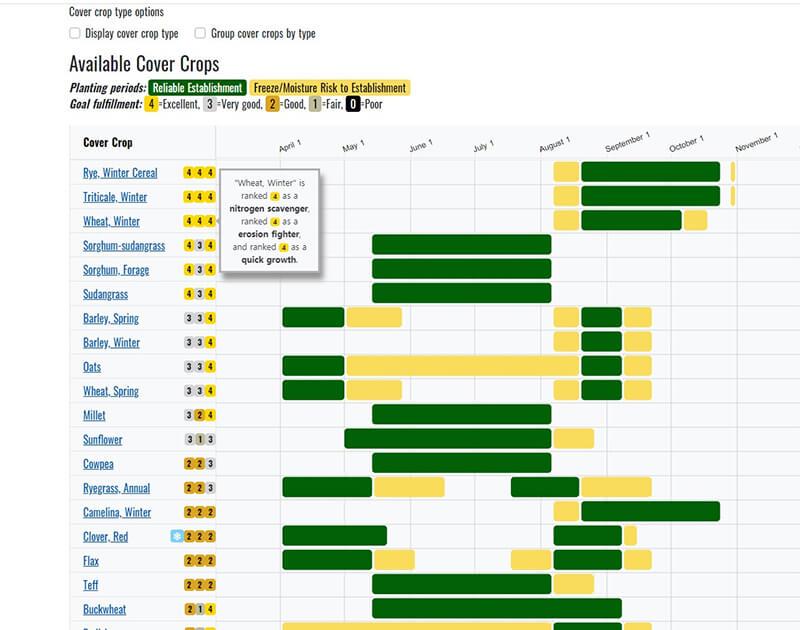
Cover crops have been shown to improve water and soil quality, reduce erosion and capture nutrients. Choosing the right cover crop, however, can be difficult. The Midwest Cover Crops Council (MCCC) —made up of representatives from 12 Midwest states and universities, including Purdue, the province of Ontario and other agricultural stakeholders — is rolling out an improved cover…Read more about Improved Tool can Help Midwest Farmers with Cover Crop Decisions[Read More]
North Central Region Sustainable Agriculture Research and Education (NCR-SARE) will host a Farmer Rancher Grant Program grant webinar on Tuesday, September 22 from 4-5:30pm CDT. This webinar will help guide participants through the process of submitting a grant proposal to NCR-SARE’s Farmer Rancher grant program. Join Joan Benjamin, NCR-SARE Farmer Rancher Grant Program Coordinator, to learn how to…Read more about NCR-SARE to Host Farmer Rancher Grant Writing Webinar, Tuesday, September 22nd[Read More]
Purdue University prohibits discrimination against any member of the University community on the basis of race, religion, color, sex, age, national origin or ancestry, genetic information, marital status, parental status, sexual orientation, gender identity and expression, disability, or status as a veteran. This material may be available in alternative formats. 1-888-EXT-INFO Disclaimer: Reference to products in this publication is not intended to be an endorsement to the exclusion of others which may have similar uses. Any person using products listed in this publication assumes full responsibility for their use in accordance with current directions of the manufacturer.