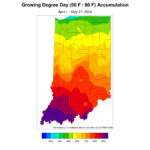
As of writing, it appears we’re heading into the start of meteorological summer (June 1) with a wet meteorological spring on the books. Meteorological spring will end with over 15 inches of rain from March 1 through the end of May, making it the 24th wettest Spring on record for Indianapolis. Keep in mind that…Read more about Meteorological Spring Ending Wet With Drier Days Ahead[Read More]
Found 1716 Articles
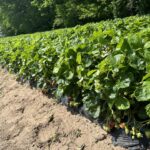
According to the newly released 2022 Census of Agriculture, Indiana has 248 farms growing strawberries, a 25% increase from 2017’s 199 such farms. This rise is particularly notable because the number of strawberry farms decreased from 250 to 199 between 2012 and 2017. Despite the increase in the number of farms over the past five…Read more about Indiana Strawberry Production Census[Read More]
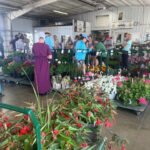
The Clearspring Produce Auction is located just 2 miles south of US 20 in Clearspring Township in the Heart of the LaGrange-Elkhart Amish Settlement. It is within easy driving distance of the towns of Shipshewana, Topeka, Emma, and LaGrange. Produce is sold 3 days a week throughout most of the growing season (Tuesday, Thursday, Friday),…Read more about Clearspring Produce Auction Update[Read More]

By now, most watermelons have been planted in southern Indiana, and most fields are currently in the vegetative growth stage. The earliest planted fields have begun to set fruit. In the past two weeks, I have observed herbicide damage in a few watermelon fields. Although the application rate and method were consistent with the labels…Read more about Watermelon Update[Read More]
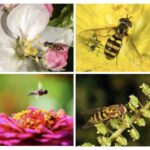
The presence of syrphid flies, also called hoverflies, is a welcome sight in agricultural landscapes. Syrphid flies contribute to pollination, pest suppression, and decomposition. There are four subfamilies of syrphids: Pipizinae, Eristalinae, Microdontinae, and Syrphinae. Larvae from the Eristalinae subfamily act as recyclers, feeding on decaying organic matter. The Pipizinae subfamily includes species whose larvae…Read more about Insect Spotlight: Syrphid Flies[Read More]
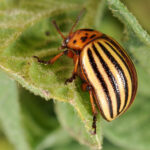
During a recent visit to some potato fields by an Extension Educator in LaGrange County, it was evident that growers need to be on the lookout and take action against some of our major pests in this cropping system. These recent observations revealed cutworms present and impacting every 5th plant in the field, as well…Read more about Potato Pests Abundant in Northern Indiana in late May[Read More]

Welcome to the Vegetable Crops Hotline (VCH), Purdue Extension’s exclusive newsletter for people in the business of growing vegetables. This issue features articles on potato insect pests and includes an insect spotlight article on Syrphid flies. We also examine the weather and get updates on auction prices from the Clearspring Produce Auction. Website Links Frequently,…Read more about From The Editor’s Desk[Read More]

We are happy to announce that Purdue Extension is presenting its annual Small Farm Education Field Day on July 25, 2024, at the Purdue Student Farm, West Lafayette, IN. Registration is now open! Register here: Purdue Small Farm Education Field Day The program is now available. Download HERE. SF2024_FIeldDay_Demo_Schedule SF2024_FIeldDay_Demo_Descriptions Contact Lori Jolly-Brown or Petrus…Read more about Purdue Small Farm Education Field Day on July 25, 2024 – Register Now![Read More]

We are happy to announce that Purdue Extension is presenting its annual Fruit and Vegetable Field Day on July 18, 2024, at the Throckmorton/Meigs Horticulture Farm, Lafayette, IN. Registration is now open! Register here: Purdue Fruit and Vegetable Field Day The program is now available. Download HERE. Fruit and Veg Field Day 2024_Agenda FINAL_page1 Fruit…Read more about Purdue Fruit and Vegetable Field Day on July 18, 2024 – Register Now![Read More]
The Clearspring Produce Auction is located just 2 miles south of US 20 in Clearspring Township in the Heart of the LaGrange-Elkhart Amish Settlement. It is within easy driving distance of the towns of Shipshewana, Topeka, Emma, and LaGrange. Produce is sold 3 days a week throughout most of the growing season (Tuesday, Thursday, Friday),…Read more about Clearspring Produce Auction Price Update[Read More]
Purdue University prohibits discrimination against any member of the University community on the basis of race, religion, color, sex, age, national origin or ancestry, genetic information, marital status, parental status, sexual orientation, gender identity and expression, disability, or status as a veteran. This material may be available in alternative formats. 1-888-EXT-INFO Disclaimer: Reference to products in this publication is not intended to be an endorsement to the exclusion of others which may have similar uses. Any person using products listed in this publication assumes full responsibility for their use in accordance with current directions of the manufacturer.