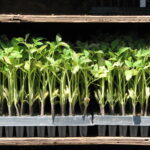
3As Indiana enters the prime transplanting window for warm-season crops, vegetable producers must prepare transplants for successful field establishment. With variable spring weather conditions across the state, proper hardening and planting techniques are essential for minimizing losses and ensuring quick establishment. This article outlines critical management practices for growers preparing vegetable transplants for field conditions….Read more about Preparing Vegetable Transplants for Indiana Field Conditions[Read More]
Transplant Production
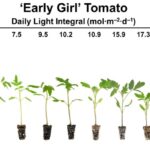
Optimizing light management is crucial for producing high-quality vegetable transplants in greenhouse environments. As greenhouse growers gear up for the spring production season, managing light conditions becomes a critical factor in producing high-quality vegetable transplants. With varying natural light levels and the challenges posed by greenhouse structures, understanding and optimizing daily light integral (DLI) is essential…Read more about Managing Daily Light Integral to Improve Vegetable Transplant Quality[Read More]
Featured Article Many Indiana vegetable crops begin life as transplants. If lack of nutrients, lack of light, disease, or other problems slow growth during this stage, it may reduce establishment success and/or growth and yield in the field or high tunnel. Good management of the following factors should lead to healthy transplants (Figure 1). Time…Read more about Planning for Successful Vegetable Transplant Production[Read More]
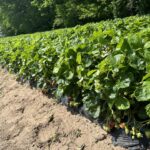
I visited Kube-Pak (Allentown, NJ) during the North American Strawberry Growers Summer Tour. Kube-Pak wholesales bedding plants, plugs, potted plants and more. Our visit at Kube-Pak’s was at peak time of strawberry business. Mr. Rob Swanekamp showed us the steps of growing strawberry plugs, from tip production to shipping. The strawberry plugs’ shipping date starts…Read more about Strawberry Plug Production at Kube-Pak[Read More]
As we approach warmer days in May and June, it’s time to prepare for transplanting warm-season vegetable crops such as tomatoes, peppers, eggplant, and squash. Growers preparing vegetable transplants should plan for the process of hardening or conditioning their transplants to outdoor temperatures, light, and soil moisture conditions. By now, you should have started your…Read more about Setting Your Transplants Up for Success[Read More]

In your propagation/seeding house, you are setting the stage for the remainder of your growing season, and there are a few key things I would like to remind you about to minimize pest issues at this crucial stage. Cleanliness is key! Make sure you start with clean trays for any transplants you may be generating….Read more about Start Your Season off Right with Pest-free Transplants[Read More]
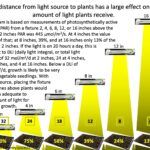
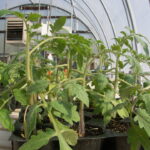
We are getting close to the time of year when I begin to get phone calls about strange symptoms on tomato plants in greenhouses. Too often, the problem is ethylene damage. Read on to find out how to avoid this problem. Tomato plants with ethylene damage often have leaves that are curled down and stems…Read more about Ethylene Damage on Tomato[Read More]
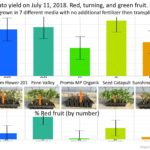
We know from published research that the health and quality of a vegetable transplant affects how it will establish, grow, and yield in the field. Our recent work comparing tomato and cucurbit seedling growth in different organic growing media and with and without added fertilizer has provided some good examples of this. See Vegetable Crop…Read more about Vegetable Transplant Care Translates into Early Yield Differences[Read More]