
“If you don’t know where you are going, you’ll end up someplace else.” – Yogi Berra No matter what your business does or who it serves, the business (and its employees) need goals and objectives. Yogi Berra sums it up best – you need to have a target or you’ll never make it there. Goals…Read more about Defining Your Dreams[Read More]
Found 1716 Articles
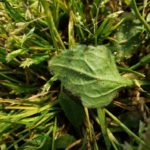
As you prepare to fill your high tunnels and greenhouses or even field plots, take a close peek at the weeds in your area. There can be some sneaky pests that have overwintered on the plant material in and around your farm. In high tunnels in particular, I have recently found overwintering populations of two…Read more about Overwintering Pests[Read More]
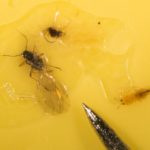
While not a new technology, I thought it timely to talk about the use of yellow sticky cards as a monitoring tool. These cards will not manage insect pests in your crops, but can be a very valuable monitoring tool in high tunnels and greenhouses. Many of the insect pests that migrate into our crops…Read more about The Utility of Yellow Sticky Cards[Read More]

In the October 2019 issue of the Vegetable Crops Hotline, I referenced the new regulatory changes to herbicides containing the active ingredient paraquat. One of the new requirements is for closed system packaging. To quote the Environmental Protection Agency (EPA): “New closed-system packaging (is) designed to prevent transfer or removal of the pesticide except directly…Read more about A Look at the New Closed Transfer System for Paraquat-Containing Herbicides[Read More]
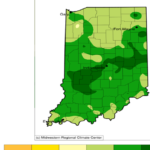
Meteorological winter (December-February) is finally over and we can start looking forward to spring. Across Indiana, winter brought above average precipitation (Figure 1), though below average snowfall. The temperatures were slightly above normal (2°F-6°F; Figure 2) with no record-breaking cold periods. Since there were so few colder-than-normal periods, the overwintering of pests and therefore increased…Read more about The Winter in Review with a Spring Outlook[Read More]
Dear Watermelon Growers, At our past winter technical meeting, several growers suggested fertilizer recommendations need to be reevaluated for watermelon production in our area. This suggestion is timely and critical. We plan to initiate a project for the 2020 watermelon production season to reevaluate the fertility and irrigation practices used in Indiana. We will identify…Read more about Watermelon Fertility and Irrigation Management[Read More]
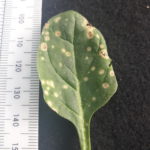
While many growers use high tunnels to extend the growing period for warm-season crops such as tomatoes or cucumbers, it is also possible to grow cool-season crops such as spinach well into winter. The winter over much of Indiana has been rather mild; spinach and other cool-season crops should be doing well. However, disease and…Read more about Cladosporium of Spinach[Read More]
When houseplants and garden seedlings are kept too wet, roots can rot and the fungus that grows in the soil can feed fungus gnats. For houseplants, fungus gnats are usually just a nuisance. When growing seedlings or in a greenhouse adults can spread fungal diseases to flowers. Larvae can spread fungal diseases when they feed…Read more about Proper Watering Prevents Problems with Fungus Gnats[Read More]
One concern for every vegetable grower is finding solutions to pest management problems quickly. An example would be anthracnose of watermelon. You recognize the disease or you have had it officially diagnosed. Or perhaps you anticipate this disease every year and want to start applications of a fungicide early in the season. Where do you…Read more about New Searchable Midwest Vegetable Production Guide[Read More]
Welcome to a new year of the Vegetable Crops Hotline (VCH), Purdue Extension’s newsletter for people in the business of growing vegetables. As usual, we will have fifteen issues throughout the 2020 growing season. The first issue of the year is sent to all who subscribed to VCH via US-mail in 2019 as well as new…Read more about Welcome to a New Year of the Vegetable Crops Hotline[Read More]
Purdue University prohibits discrimination against any member of the University community on the basis of race, religion, color, sex, age, national origin or ancestry, genetic information, marital status, parental status, sexual orientation, gender identity and expression, disability, or status as a veteran. This material may be available in alternative formats. 1-888-EXT-INFO Disclaimer: Reference to products in this publication is not intended to be an endorsement to the exclusion of others which may have similar uses. Any person using products listed in this publication assumes full responsibility for their use in accordance with current directions of the manufacturer.