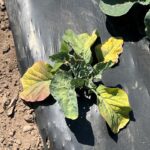
Pathogen and symptoms Wirestem is a disease of cole crops (e.g., broccoli, cauliflower, and cabbage) caused by the soilborne fungus Rhizoctonia solani. This summer, cole growers from the state’s northern region reported that their crops were affected by poorly developed root systems. Upon examination, the plants showed brown stems (figure 1) and narrow roots with…Read more about Management of Wirestem of Cole Crops[Read More]
Plant Disease Management
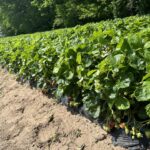
If you’re expecting plug plants for your strawberry crops, you’ve likely heard about the emerging threat of Neopestalotiopsis disease. For those unfamiliar, I recommend reading Dr. Phil Brannen’s article, “Dramatic Neopestalotiopsis Disease in Strawberry Tips and Plug Plant Production Nurseries“ from the University of Georgia Extension. Recently, I’ve been in discussions with a few fruit…Read more about Strawberry Growers: Navigating the Challenges of Neopestalotiopsis Disease[Read More]
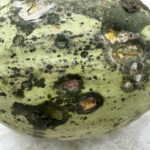
Bacterial fruit blotch (BFB) is a disease caused by the pathogen Acidovorax avenae subsp. citrulli. Most cucurbit crops are affected by this disease, although watermelon cultivars are commonly more susceptible. However, this summer, I received cantaloupe samples (Figures 1 and 2) that tested positive for BFB using serological tests. When environmental conditions are conducive,…Read more about Bacterial Fruit Blotch On Cucurbits[Read More]

Greetings everyone! I am César Escalante, and I have recently been hired as the new vegetable pathologist by the Purdue Department of Botany and Plant Pathology. Starting July 1, 2024, I will be at the Southwest-Purdue Ag Center in Vincennes, IN. I will be serving as a liaison to Indiana’s vegetable industry. As part of…Read more about Meet Dr. César Escalante, the New Vegetable Pathologist at the Southwest-Purdue Ag Center[Read More]

By now, most watermelons have been planted in southern Indiana, and most fields are currently in the vegetative growth stage. The earliest planted fields have begun to set fruit. In the past two weeks, I have observed herbicide damage in a few watermelon fields. Although the application rate and method were consistent with the labels…Read more about Watermelon Update[Read More]
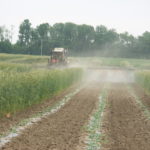
Here are 10 suggestions to help keep your vegetable crop healthy. Get plant problems accurately diagnosed. Before deciding on a control measure, are you sure you know what the problem is? The optimum control of downy mildew on cucumbers, for example, requires specialized fungicides. On the other hand, no amount of fungicide will control…Read more about Ten Suggestions for Vegetable Disease Management[Read More]
In addition to frost protection, disease management is pivotal during the blooming stage, particularly concerning gray mold (caused by Botrytis spp.) and Anthracnose. To protect the fruit, fungicide application should commence at or even before blooming. The pressure of both diseases is heavily influenced by weather conditions, with Botrytis favoring wet and cool climates and…Read more about Strawberry Disease Management Considerations[Read More]
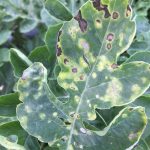
Now is a good time to discuss resources that might be used to help solve vegetable disease problems. This article will discuss online resources that may be useful for vegetable disease management. Let’s start with my favorite resource: the Plant and Pest Diagnostic Laboratory. While it isn’t necessary to send in a sample to the…Read more about Resources for Vegetable Disease Management[Read More]

The Environmental Protection Agency (EPA) has published a “proposed Interim Review Decision” regarding the fungicide chlorothalonil. I only recently became aware of this review. Unfortunately, the deadline to comment is January 10, 2024. A link to comment is provided at the bottom of this article. Read on for more details. Chlorothalonil is the common name…Read more about EPA Chlorothalonil Review[Read More]
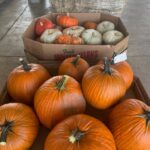
For most pumpkin growers, it is too late to take any corrective action against diseases for the 2023 crop. However, it might be wise to determine what disease problems were present during the 2023 season. This article will discuss two relatively unusual virus diseases of pumpkin. Recently, I visited several pumpkin fields in northern Indiana….Read more about Virus on Pumpkin Update[Read More]