The Clearspring Produce Auction is located just 2 miles south of US 20 in Clearspring Township in the Heart of the LaGrange-Elkhart Amish Settlement. It is within easy driving distance of the towns of Shipshewana, Topeka, Emma, and LaGrange. Produce is sold 3 days a week throughout most of the growing season (Tuesday, Thursday, Friday),…Read more about Clearspring Produce Auction Price Update[Read More]
Found 1707 Articles

Allergy season is in full swing. At least, it is for me. Runny nose, itchy eyes, and consistent drainage that I have to clear in the shower every morning. We love spring, right?? That’s enough complaining for now. Indiana’s April 2024 average temperature was 55.1°F (3°F above normal), which was good enough for the 14th…Read more about Warm Temperatures and Rain Continues[Read More]

Common names: Palmer amaranth, Palmer pigweed, carelessweed, and dioecious amaranth. Latin name: Amaranthus palmeri. “Amaranthus” is derived from the Greek word “amarantus” meaning “everlasting flowers”. This is a reference to the showy bracts (modified floral leaves) of Amaranthus species that persist well after the plants have flowered and set seed. “palmeri” is a reference to…Read more about Weed Spotlight: Palmer Amaranth[Read More]
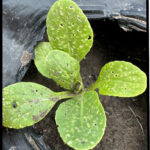
Introduction Flea beetles are small, often metallic, and dark-colored beetles in the family Chrysomelidae. They are given their common name due to their impressive jumping abilities, afforded by their enlarged hind legs, which serve as a near-foolproof escape from predators. Most flea beetle species are oligophagous herbivores, feeding on several related species of plants. For…Read more about Insect Spotlight: Flea Beetles[Read More]

Many produce farmers donate food to various organizations around the area. At a time when food pantries are seeing high numbers of people coming for assistance with food insecurity, the fact that farmers can help out is wonderful. My goal is to give you more information so that donating is even easier. Let’s briefly start…Read more about Donating Produce to Food Banks and Food Rescue Organizations in Indiana[Read More]
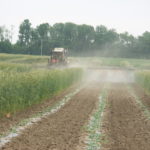
Here are 10 suggestions to help keep your vegetable crop healthy. Get plant problems accurately diagnosed. Before deciding on a control measure, are you sure you know what the problem is? The optimum control of downy mildew on cucumbers, for example, requires specialized fungicides. On the other hand, no amount of fungicide will control…Read more about Ten Suggestions for Vegetable Disease Management[Read More]
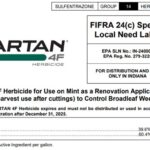
Indiana mint growers have a newly registered use for a familiar herbicide. Spartan®, already labeled for use in newly planted and dormant mint, can now be applied as a post-harvest application in Indiana with a new 24(c) Special Local Needs label (Figure 1). Here is what you need to know -An application can only be…Read more about New Spartan® 4F Herbicide Label for Mint Growers[Read More]

When we surveyed Indiana high tunnel producers eight years ago, about two-thirds of the operations grew cool season crops for harvest from November to March. Although spring field planting season is just underway, it is not too early to plan for markets and organize a production schedule for fall. This article summarizes common crops and…Read more about Planning for Fall and Winter Production in High Tunnels[Read More]

Welcome to the Vegetable Crops Hotline (VCH), Purdue Extension’s exclusive newsletter for people in the business of growing vegetables. This issue features articles on planning for fall and winter production in high tunnels, spotlight articles on flea beetles and Palmer amaranth, a new Spartan® label, and suggestions for vegetable disease management. We also examine the…Read more about From the Editor’s Desk[Read More]
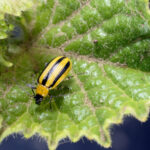
It was timely that in last week’s issue, we chose to spotlight cucumber beetles because they are on the move and hungry. Friday afternoon, I received an email from a grower reporting that his squash transplants were getting hammered (Figure 1). This weekend, I decided to take a look in my own garden, where I…Read more about Cucumber Beetles Are Out In Full Force[Read More]
Purdue University prohibits discrimination against any member of the University community on the basis of race, religion, color, sex, age, national origin or ancestry, genetic information, marital status, parental status, sexual orientation, gender identity and expression, disability, or status as a veteran. This material may be available in alternative formats. 1-888-EXT-INFO Disclaimer: Reference to products in this publication is not intended to be an endorsement to the exclusion of others which may have similar uses. Any person using products listed in this publication assumes full responsibility for their use in accordance with current directions of the manufacturer.