
Dr. Steve Weller, professor and extension weed scientist in the Dept. of Horticulture and Landscape Architecture is retiring from Purdue. I’m sure many readers share the Purdue Vegetable Extension team’s appreciation for all the work he has done to help vegetable growers with weed management and wish him the best in life’s next adventures. Thanks…Read more about Farewell to Dr. Steve Weller[Read More]
Found 1716 Articles

Purdue Extension and Indiana University are collaborating to offer a series of field days featuring high tunnels. The events will be hosted July 18 at the Meigs Horticulture Research Farm in Lafayette; Aug. 10 at the Southwest Purdue Agricultural Center in Vincennes; Aug. 15 at the Pinney Purdue Agricultural Center in Wanatah; and Sept. 27 at…Read more about Upcoming Events[Read More]

We are looking for sweet corn growers to participate in our 2017 Vegetable Field Day and Sweet Corn Tasting. Our field day on Aug. 15 at Pinney Purdue Ag Center in Wanatah, will feature tours of tomato production in moveable high tunnels, using both conventional and organic management systems. The event also will include walking tours…Read more about Call for Sweet Corn for Tasting Event[Read More]
Since we are well into fungicide application time, below I have listed 10 rules that will help vegetable growers apply fungicides effectively and safely. Apply fungicides prior to the development of disease. Although many fungicides have systemic (“kick back”) action they will not completely eradicate diseases after they have started. And by the time a single…Read more about 10 Useful Rules for Fungicide Application[Read More]
I have received some reports of Colorado potato beetles damaging both potatoes and tomatoes, including tomatoes in high tunnels. Both the adults and larvae are voracious feeders. As with most pests, it is best to get potato beetles under control before the populations get too high. Also, killing small larvae is easier than killing large…Read more about Colorado Potato Beetles[Read More]
Corn earworms are flying. I had 10 in my pheromone trap this morning (June 20). With the surrounding dent corn in most areas far from producing silks, the threshold for spraying silking sweet corn is 1 moth per night, well below what we are catching. So growers who have sweet corn with fresh silks are…Read more about Corn Earworm[Read More]
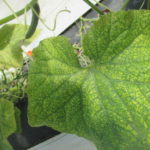
We have received a number of reports of spider mite problems lately. Some of them have been on crops grown in high tunnels, particularly tomatoes and cucumbers. High tunnels are the perfect environment for mites because it is hot, which means they reproduce faster, and the mites are protected from rainfall, which is a major…Read more about Spider Mites[Read More]

Indiana Fruit & Vegetable Field Tour The tour will be held at Tuttle Orchards, 5717 North 300 West Greenfield IN 46140, June 28, 9:00 am -4:00 pm. On-site registration 9 am at Tuttle Orchard. Registration fee is $5 per person. For further questions contact Lori Jolly-Brown at ljollybr@purdue.edu or (765) 494-1296. Southwest Purdue Ag Center Field Day Southwest…Read more about Upcoming Events[Read More]
Recent dry weather raises concern about effectiveness of preemergent herbicides. Preemergent herbicides applied on the soil surface need to be moved into the soil where the target weed seeds are germinating (normally 1-2 inches deep) in order to be effective. The process normally requires 0.5 to 0.75 inch of water within a few days of herbicide application….Read more about Effectiveness of Preemergent Herbicides[Read More]
The latest Census of Agriculture reported that 244,974 U.S. farmers utilized more than 14 million acres to grow specialty crops in 2012. In Indiana 2,935 farmers grew specialty crops on 63,252 acres. Indiana’s specialty crop industry includes operations that grow fruit and vegetable, tree nut, dried fruit, horticulture, floriculture, and nursery crops. Specialty crops include…Read more about Is My Farm Profitable? The Drivers of Farm Profitability[Read More]
Purdue University prohibits discrimination against any member of the University community on the basis of race, religion, color, sex, age, national origin or ancestry, genetic information, marital status, parental status, sexual orientation, gender identity and expression, disability, or status as a veteran. This material may be available in alternative formats. 1-888-EXT-INFO Disclaimer: Reference to products in this publication is not intended to be an endorsement to the exclusion of others which may have similar uses. Any person using products listed in this publication assumes full responsibility for their use in accordance with current directions of the manufacturer.