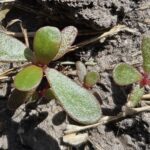
Common names: purslane, pusley, pursley, wild portulaca, common portulaca, little hooweed, low pigweed Latin name: Portulaca oleracea L. Family: Portulacaceae (Purslane family) Life Cycle Common purslane is a summer annual that extends along the ground with its thick, fleshy stems and leaves (Figure 1). Thanks to its ability to reproduce not only by seeds but…Read more about Weed Spotlight: Common Purslane[Read More]
Found 1716 Articles

Welcome to the Vegetable Crops Hotline (VCH), Purdue Extension’s exclusive newsletter for people in the business of growing vegetables. Everyone is probably seeing a glut of tomatoes and other vegetables coming in from the farm or your personal gardens. It is certainly the month of plenty! This issue includes an important notice from the…Read more about From The Editor’s Desk[Read More]

Extracted from a SARE email received on August 1, 2024. The North Central Region Sustainable Agriculture Research and Education Program (NCR-SARE) 2025 Partnership Grant Program Call for Proposals is now available online at: https://northcentral.sare.org/Grants/Apply-for-a-Grant/Partnership-Grant/. NCR-SARE’s Partnership Grant Program is intended to foster cooperation between agriculture professionals and small groups of farmers and ranchers to catalyze…Read more about NCR-SARE Announces 2025 Call for Partnership Grant Proposals[Read More]
The Clearspring Produce Auction is located just 2 miles south of US 20 in Clearspring Township in the Heart of the LaGrange-Elkhart Amish Settlement. It is within easy driving distance of the towns of Shipshewana, Topeka, Emma, and LaGrange. Produce is sold 3 days a week throughout most of the growing season (Tuesday, Thursday, Friday),…Read more about Clearspring Produce Auction Update[Read More]
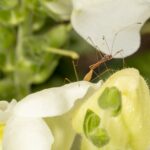
Description Spined stilt bugs are small, slender insects in the family Berytidae. Typically brown or bronze in color, these insects have slim bodies with long and thin legs (Figure 1). The antennae of stilt bugs bend at very sharp angles and frequently have obvious swelling at the tip. Occasionally, some stilt bug species will also…Read more about Insect Spotlight: The Spined Stilt Bug[Read More]

Earlier this year, FMC released a supplemental label for Anthem® Flex herbicide that includes additional uses for potatoes and mint. Anthem® Flex is a premix product containing pyroxasulfone (the active ingredient in Zidua® SC) and carfentrazone (the active ingredient in Aim® EC). Carfentrazone, a postemergence contact herbicide, is registered for use in Indiana for both…Read more about New Anthem® Flex Supplemental Herbicide Label for Mint and Potatoes[Read More]

In a press release on August 6, 2024, the EPA announced the emergency suspension of all registrations of DCPA (marketed and sold as Dacthal® herbicide). The full press release can be viewed here: EPA Issues Emergency Order to Stop Use of Pesticide Dacthal to Address Serious Health Risk | US EPA Why did EPA do…Read more about EPA Issues Emergency Order to Stop the Use of Dacthal herbicide[Read More]
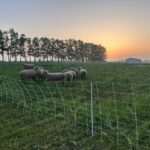
We’ve (already) flipped the calendar to the month of August, which means that you might be in the throes of seeding fall vegetables and purchasing some cover crop seed for the end of the season. But if you haven’t gotten cover crops yet, there’s still some time left to order your preferred varieties before they…Read more about Feed the Soil, Feed your Crops… Feed your Livestock![Read More]
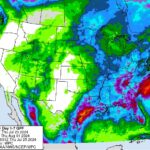
Several weeks ago, Indiana received enough rain to eliminate drought across the state, leaving behind just a few counties in Abnormally Dry (D0) status. Fortunately, this week has been relatively quiet, allowing many areas to alleviate flooding issues. The U.S. Drought Monitor kept those Abnormally Dry areas nearly the same this week (Figure 1), so…Read more about A Break Before More Rain[Read More]
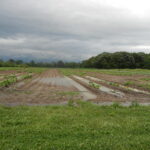
Under waterlogging conditions, oxygen depletion in the soil injures roots, limiting their ability to uptake nutrients and water. In response, plants close their stomata to prevent water loss, leading to a subsequent reduction in photosynthesis. Common symptoms include wilting, stunted growth, and yellowing leaves. If the stress persists for an extended period, plants may eventually…Read more about Recovering Vegetable Crops from Waterlogging[Read More]
Purdue University prohibits discrimination against any member of the University community on the basis of race, religion, color, sex, age, national origin or ancestry, genetic information, marital status, parental status, sexual orientation, gender identity and expression, disability, or status as a veteran. This material may be available in alternative formats. 1-888-EXT-INFO Disclaimer: Reference to products in this publication is not intended to be an endorsement to the exclusion of others which may have similar uses. Any person using products listed in this publication assumes full responsibility for their use in accordance with current directions of the manufacturer.