
We observed a large amount of unmarketable pepper fruit hanging on the plants during on-farm visits and at the research farms recently. Damage appears on the sides or at the bottom of the fruit (Figure 1). The symptoms that occur at the fruit bottom are similar to tomato blossom end rot (BER), a plant physiological…Read more about Unmarketable Bell Peppers[Read More]
Peppers

Thanks to my University of California Cooperative Extension colleagues, I visited central valley vegetable production last week. Undoubtedly, I learned a lot on this trip. I want to share what I learned with Indiana growers in a few newsletter articles. This short article highlights two things I saw farmers use to extend early-season crop production….Read more about Season Extension Strategies—What I learned in a CA trip[Read More]

Phytophthora blight caused by the pathogen Phytophthora capsici is one of the most important diseases in pepper production (Figure 1). The disease is difficult to control once established in a field. Using host resistance is an important approach in managing this disease. In past years, Rutgers Cooperative Extension has evaluated new bell pepper cultivars and…Read more about Bell Pepper Varieties for Phytophthora Resistance[Read More]
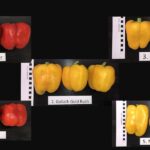
There is still time to select sweet pepper varieties for this summer. During the 2020 growing season, I evaluated a new batch of five sweet bell pepper varieties. I also evaluated five sweet tapered pepper varieties for a second season. All varieties (Table 1, Figures 1 & 2) were grown in a high tunnel at…Read more about Have You Selected Your Sweet Pepper Varieties Yet?[Read More]
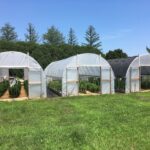
On hot days in the summer, high tunnel growers may wonder whether to place shadecloth on high tunnels. Considering excessive heat inside the structures that may lead to plant stress, blossom drop and unmarketable fruit, there is a rational for doing it. However, it is important to realize the limitations of placing shadecloth on high…Read more about Using Shadecloth on High Tunnels for Tomato and Colored Bell Pepper Production[Read More]
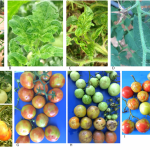
Tomato brown rugose fruit virus (ToBRFV) is making headlines and eliciting USDA action. Growers need to learn more about ToBRFV biology, symptoms and control. Tomato brown rugose fruit virus (ToBRFV) is a newly identified virus affecting tomato, pepper and possibly their relatives. ToBRFV first appeared in Israel in 2014. Since then, it has shown up…Read more about Tomato Brown Rugose Fruit Virus (ToBRFV): A New Concern for Tomato and Pepper Producers[Read More]
In creating the new format of the Midwest Vegetable Production Guide for Commercial Growers 2020 (ID-56), I inadvertently left out the portion of the fruiting vegetable section that deals with Phytophthora blight of pepper. The new format allows me to update items easily; I have now added information on this important disease. Go to mwveguide.org…Read more about Phytophthora Blight of Pepper in Midwest Vegetable Production Guide[Read More]
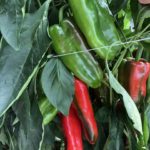
Sweet colored peppers can yield well in the protected conditions of an unheated high tunnel, but information is lacking about which varieties are adapted for high tunnel production and their performance. During 2018 we evaluated ten sweet pepper varieties at the Purdue Student Farm, West Lafayette, Indiana (Table 1). How was the evaluation conducted? The…Read more about Colored Sweet Pepper Varieties for High Tunnel Production[Read More]
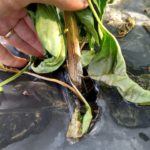
Southern blight of pepper and tomato thrives under hot, dry conditions. Usually, such conditions are more likely in August. Production under tunnels may contribute to the dry conditions that influences southern blight. This article will discuss the symptoms, biology and management of southern blight of tomato. Southern blight has a wide host range affecting many vegetable,…Read more about Southern Blight of Pepper and Tomato[Read More]
After harvest, storing vegetables in optimal conditions is important to ensure the whole season’s hard work has paid off. This article discusses the optimum storage conditions for tomato, pepper, cucumber, watermelon, cantaloupe and sweet corn. Tomato Ideal storage conditions for tomatoes depend on the maturity stage of picking. If tomatoes are picked at mature green,…Read more about Optimal Storage Conditions for Vegetables[Read More]