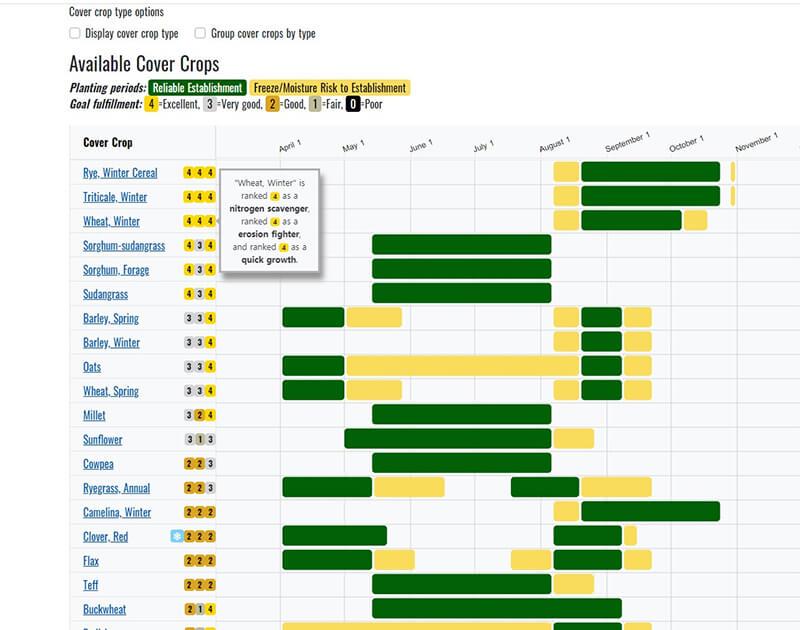
Cover crops have been shown to improve water and soil quality, reduce erosion and capture nutrients. Choosing the right cover crop, however, can be difficult. The Midwest Cover Crops Council (MCCC) —made up of representatives from 12 Midwest states and universities, including Purdue, the province of Ontario and other agricultural stakeholders — is rolling out an improved cover…Read more about Improved Tool can Help Midwest Farmers with Cover Crop Decisions[Read More]
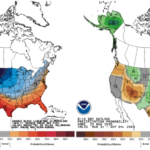
After the last several weeks of predominantly dry conditions, the national climate outlooks are finally showing confidence that temperatures should start shifting to cooler than normal and precipitation will be wetter than normal (Figure 1). Hurricane Laura will definitely help the precipitation side of that prediction with current tracks having the strongest rainfall amounts in…Read more about Cooler, Wetter Conditions Expected Over Next Several Weeks[Read More]
This is an update of the article When to Stop Spraying Fungicide published in issue 666 on Sep. 12, 2019. Many vegetable growers are closing in on the final harvest. Several growers have asked me about fungicide applications late in the season. In this article, I want to address when to stop. To limit the…Read more about When to Stop Spraying[Read More]
USDA announces more eligible commodities for Coronavirus Food Assistance Program (CFAP), and the deadline to apply for the program was extended to September 11th. The following additional commodities are now eligible for CFAP: Specialty Crops – aloe leaves, bananas, batatas, bok choy, carambola (star fruit), cherimoya, chervil (french parsley), citron, curry leaves, daikon, dates, dill, donqua…Read more about Update of the CFAP program on Aug. 11[Read More]
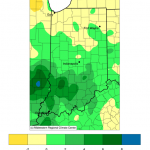
Rain moved across Indiana earlier this week, bringing much-needed precipitation to the northern counties. Unfortunately, the 30-day rainfall totals are still up to two inches below normal (Figure 1). The southern and southwestern counties are well above normal and could likely use a break for the next few days! Good news for those tiring of…Read more about Monitoring Potential Evapotranspiration Across Indiana[Read More]
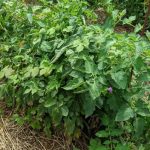
Genus: Ipomoea sp. Species: Ivyleaf: Ipomoea hederacea Entireleaf: Ipomoea hederacea integriuscula Tall: Ipomoea purpurea Pitted: Ipomoea lacunosa Morning glories are among the most troublesome weeds in many cropping systems in the Midwest. They are difficult to control due to their fast growth, large seed size, and impenetrable seed coat. Morning glories get their name because…Read more about Morningglories[Read More]

The Small Farm Education Field Day and Webinar Series will take place 12:00 -1:10 pm EST, July 30 to Aug. 14, 2020. Register at https://tinyurl.com/y5ahtrow. After you register, a Zoom link will be emailed to you. If you have any questions, please contact Petrus Langenhoven at (765) 496-7955 or plangenh@purdue.edu

U.S. Secretary of Agriculture Sonny Perdue announced an initial list of additional commodities that have been added to the Coronavirus Food Assistance Program (CFAP), and that the U.S. Department of Agriculture (USDA) made other adjustments to the program based on comments received from agricultural producers and organizations and review of market data. Producers will be…Read more about Additional Commodities Eligible for Coronavirus Food Assistance Program[Read More]
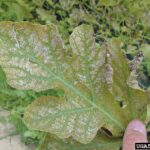
When ground level ozone is high enough to trigger an Air Quality Action Day alert from the Indiana Dept. of Environmental Management (IDEM) it is a reminder that crops may be injured by ozone. A number of areas around the state have experienced alerts in recent days, e.g. July 14 in S. Indiana. If crops…Read more about Ozone Injury on Vegetable Plants[Read More]