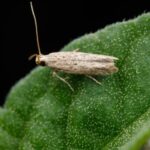
As the growing season picks up, high tunnel growers planning to cultivate tomatoes should keep an eye out for the small but mighty tomato pinworm, Keiferia lycopersicella (TPW). The adult moths are up to 6 mm in length, with mottled brown spots (Fig. 1). They are active at night and remain hidden, resting on foliage during the…Read more about Time to Start Monitoring for Tomato Pinworm[Read More]
Pests and Pest Management - General
References, associations, organizations, periodicals, pesticides, pesticide safety, pest laws and regulations
This Tri-state high tunnel school webinar series is organized by Extension educators and specialists from three states: Ohio, Michigan, and Indiana. Different topics are designed for Beginner, Intermediate, and advanced high-tunnel growers. All sessions will be hosted via Zoom every Wednesday, 12:30-1:30 pm Eastern Time from February 25 to April 1, 2026. The webinars are…Read more about Tri-State High Tunnel School Webinar Series[Read More]
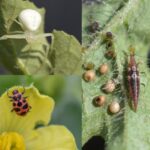
Growing watermelons in Indiana isn’t always easy if you have cucumber beetles and spider mites. These pests are some of the most damaging to Midwest cucurbits and are commonly managed with a combination of insecticides and miticides. Unfortunately, chemical management for one pest could interfere with control of another pest. For example, spider mite outbreaks…Read more about Want Fewer Spider Mites? Ease Up on the Beetle Spraying![Read More]

Over the past two years, we’ve been testing various cucumber cultivars to see which ones are most vulnerable to pests in high tunnel systems. We split the cucumbers into two groups based on fruit characteristics for a fair comparison. The first group consists of pickle-type cucumbers, known for being small, blocky, and having thin skin….Read more about Selecting Your Ideal Cucumber Cultivar for High Tunnel Production[Read More]
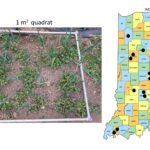
Background High tunnels provide a hospitable environment for crops and insect pests, but little is known about the weed community present within them. From 1 December 2022 to 17 March 2023, we visited 14 farms monthly across Indiana and used a quadrat-style approach to measure weed pressure (0% to 100% weed coverage per quadrat) and…Read more about Winter Weeds as Refuge for Pest and Beneficial Invertebrates[Read More]
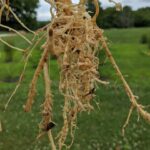
Root-knot nematodes cause severe damage in vegetable production. Its infection results in root swellings called galls that interrupt plant water and nutrient uptake (Figure 1). Aboveground, plants show symptoms that include stunted growth, wilting, and leaf yellowing. In addition to root-knot nematodes, several other plant parasitic nematodes can cause damage to vegetable roots. Damage to…Read more about Plant Parasitic Nematodes Survey in Indiana[Read More]
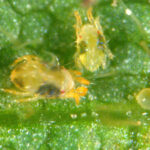
This season started out dry and hot. These are the ideal conditions for pests that we often associate with controlled environments: aphids and mites. There are a number of factors that contribute to their success in these conditions, including lack of rain which physically removes the insect from the plant and drought-stressed plants, which are…Read more about Managing Pests that Thrive in Hot and Dry Conditions[Read More]

Last week I encountered my first adult Japanese Beetle of the 2023 season. It was at my home, and I was keeping my fingers crossed that it was just an unlucky stray individual, but hoping I had more time before their devastation would arrive. Well, I was wrong. Over the weekend, I found a few…Read more about Japanese Beetles are Here, and Hungry![Read More]
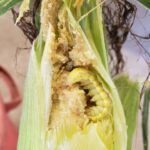
This has been a tough, dry year for all of us. I know my early planting of sweet corn at the research farm, seeded on April 27, has been slow and required irrigation (Figure 1). However, those of you that may be at the tassel or silking stage should keep a close eye on the…Read more about Corn Earworm in Early Plantings[Read More]
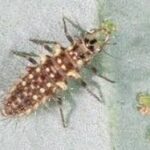
Join eOrganic for 4 webinars on the findings of the biocontrol project in April and May 2023! Register at the links below for the May 18 and May 24 webinars! Recordings will be posted here and on the eOrganic YouTube channel! eOrganic Webinars Date Webinar Presenters April 26, 2023 Marketing Value-added Grains for Local and…Read more about eOrganic Webinars on Predatory Mites and Whitefly[Read More]