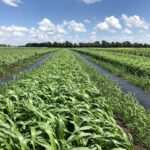
Summer cover crops offer clear benefits to vegetable growers and the environment. Cover cropping offers clear benefits to growers and the environment. It is a valuable opportunity to add organic material to the soil, and it increases soil carbon, enhances soil fertility and nitrogen cycling, reduces erosion, and helps to reduce weed pressure in subsequent…Read more about Summer Cover Crops for Improved Soil Health and Weed Management[Read More]
Found 1626 Articles
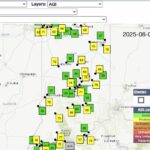
Welcome to the start of Hurricane Season, which runs from June through November each year. Why would Indiana care about hurricane season? Certainly, by the time any hurricane might impact the state, it will have been greatly downgraded to what is called an extratropical (i.e., poleward of the Tropic of Cancer (23.5° north latitude)) storm…Read more about It’s a Hazy Shade of …. June[Read More]
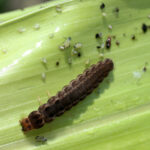
If you’re scouting for cabbage aphids (Figure 1) in your brassicas this summer, don’t overlook one of your garden’s lesser-known allies: soldier beetles, also known as leatherwings (Figure 2). These beneficial insects can be valuable predators, especially when aphid populations begin to surge in warm weather. Cabbage aphids are difficult to manage due to their…Read more about Soldier Beetles: Summer Allies Against Cabbage Aphids[Read More]
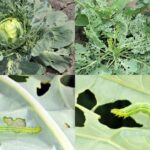
Trichoplusia ni, commonly known as the cabbage looper, is a moth in the family Noctuidae. Native to North America, it is a polyphagous pest (feeds on lots of different plants) that can cause significant damage in a variety of crops and potentially lead to plant death. While cabbage looper has a large geographical distribution, it…Read more about Insect Spotlight: Cabbage Looper[Read More]

Small and medium-sized vegetable farms face unique challenges balancing profitability with sustainable production practices and food safety requirements. To better understand how these farmers navigate complex decision-making processes, the Soil to Market Team—comprising Maria Marshall, Renee Wiatt, Petrus Langenhoven, Betty Feng, and Nathan Shoaf—conducted a comprehensive survey of 500 small and medium-sized farmers across the…Read more about Understanding Farm Decision-Making: Insights from the 2024-2025 Producer Survey[Read More]

Time is running short—register TODAY to secure your spot at this year’s Southwest Purdue Agricultural Center Field Day! Located in the heart of Indiana’s premier watermelon-growing region, the Southwest Purdue Agricultural Center (SWPAC) stands as one of Purdue’s eight agricultural research centers, uniquely positioned where specialty crops meet cutting-edge agricultural innovation. This field day represents…Read more about Don’t Miss Out: Final Call for SWPAC Field Day Registration![Read More]
Dear Valued VCH Readers, Welcome to this week’s edition of the Vegetable Crops Hotline! As we move deeper into the growing season, this week’s edition brings you essential insights and timely updates to help navigate the opportunities and challenges ahead. From understanding how vegetable growers are integrating sustainable practices through our latest producer survey findings…Read more about From the Editor’s Desk[Read More]
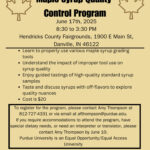
Indiana produces approximately 22,000 gallons of maple syrup each year, and this natural sweetener has a wide range of culinary uses. However, the flavor of maple syrup can be affected by various factors during the collection and processing of sap. To ensure high-quality syrup production, the University of Vermont Extension and the University of Maine…Read more about Purdue Hosts Maple Syrup Quality Control Training Program[Read More]

A new StrawberryChat podcast episode was posted Farmer Interview with McNitt Growers: Neopestalotiopsis and Resistant Varieties | Episode 20, May 16, 2025 In this episode, we talk with Bill McNitt, owner of McNitt Growers—a nursery specializing in spring bedding plants and fall strawberry plug production. Bill shares his firsthand insights into how Neopestalotiopsis disease has…Read more about Strawberry Chat Podcast: Neopestalotiopsis and Resistant Strawberry Varieties[Read More]
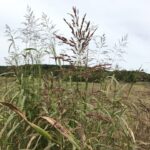
This article was originally published by the Department of Forestry and Natural Resources at Purdue University. The Managing Conservation Plantings series provides landowners and managers with science-based recommendations to combat many of the common issues that arise in native warm-season grass and wildflower conservation plantings. From battling problematic plants like sericea lespedeza (Figure 1) to…Read more about Managing Conservation Plantings Series Provides Science-Based Recommendations for Landowners, Managers[Read More]
Purdue University prohibits discrimination against any member of the University community on the basis of race, religion, color, sex, age, national origin or ancestry, genetic information, marital status, parental status, sexual orientation, gender identity and expression, disability, or status as a veteran. This material may be available in alternative formats. 1-888-EXT-INFO Disclaimer: Reference to products in this publication is not intended to be an endorsement to the exclusion of others which may have similar uses. Any person using products listed in this publication assumes full responsibility for their use in accordance with current directions of the manufacturer.