
Introduction Ensuring the microbial safety of fresh produce is a critical step in preventing foodborne illnesses and safeguarding public health. Fresh produce is often exposed to contaminants during various stages of production, including growing and harvesting, where it can come into contact with soil, irrigation water, compost and wildlife (Dogan et al., 2023; Rock et…Read more about Understanding the Impact of Organic Matter on Free Available Chlorine (FAC) Concentration in Postharvest Water[Read More]
Found 1626 Articles

Dear Valued VCH Readers, Welcome to this week’s edition of the Vegetable Crops Hotline! As spring field activities continue to be limited by the recent wet conditions, we have several timely updates to share. In this issue, we explore the impact of organic matter on chlorine sanitizers in postharvest washing, spotlight the troublesome Lygus bugs…Read more about From The Editor’s Desk[Read More]




Agricultural producers who have not yet enrolled in the Agriculture Risk Coverage (ARC) or Price Loss Coverage (PLC) programs for the 2025 crop year have until April 15, 2025, to revise elections and sign contracts. Both safety net programs, delivered by USDA’s Farm Service Agency (FSA), provide vital income support to eligible farmers who experience substantial declines in crop…Read more about USDA Reminds Agricultural Producers to Enroll in Key Safety Net Programs by April 15[Read More]
Drying produce can be an attractive technique for adding value to your crop, reducing waste, and diversifying the products offered to consumers. The process of dehydrating produce extends shelf life by reducing water content and limiting the growth of microorganisms that can cause spoilage. Remain aware, though, that most dehydration processes are not kill steps…Read more about Ensuring Food Safety in Produce Drying: Best Practices for Handling, Preparation, and Dehydration[Read More]
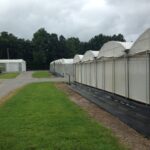
Many of you are getting ready to start planting your seeds in the greenhouse, especially if you are planning to transplant. Regardless of the time you start or the type of crop you are planting, it is important to ensure that you have clean and disinfected areas in your greenhouse to prevent disease infections and…Read more about Cleaning and Disinfesting Your Greenhouse Before Planting[Read More]
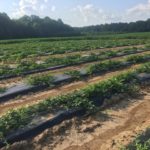
An average-yielding watermelon crop in an acre accumulates approximately 150 pounds of both nitrogen and potassium in the vegetative tissue and fruit. These nutrients are supplied by the soil’s existing nutrient pool and through supplemental fertilizer applications. Soil testing is a valuable tool for assessing what nutrients are present in soils and the amount of…Read more about Lessons Learned: Nitrogen Fertilizer Management in Indiana Watermelon Production[Read More]
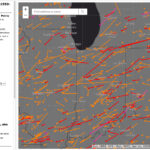
Indiana has already experienced several tornadoes this year, with more certainly to come. Of course, this is not unusual since Indiana is often considered on the far northeastern edge of “Tornado Alley”. Tornadoes get their energy from the battle between the cooler, drier Canadian air moving southeastward and the warmer, more humid air coming north…Read more about Tracking Tornadoes Over Time[Read More]
Purdue University prohibits discrimination against any member of the University community on the basis of race, religion, color, sex, age, national origin or ancestry, genetic information, marital status, parental status, sexual orientation, gender identity and expression, disability, or status as a veteran. This material may be available in alternative formats. 1-888-EXT-INFO Disclaimer: Reference to products in this publication is not intended to be an endorsement to the exclusion of others which may have similar uses. Any person using products listed in this publication assumes full responsibility for their use in accordance with current directions of the manufacturer.