Found 251 Articles
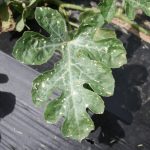
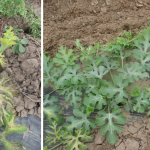
Watermelon is best grown at temperatures around 80-90°F. Temperatures above 90°F reduce the growth rate; above 105°F may cause plant injury. Temperatures below 42°F result in watermelon chilling injury; below 32°F will kill watermelon plants. Extended cool days that lead to soil temperatures dropping into lower 50°F can also kill watermelon seedlings. Using low tunnels is[Read More…]
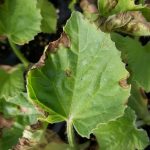
In the last issue of the Vegetable Crops Hotline, I wrote an article about common diseases of cantaloupe and watermelon transplants. Based on the samples I have received over the last few days, I would like to write about a disease that is not usually a problem: angular leaf spot. Angular leaf spot affects all[Read More…]
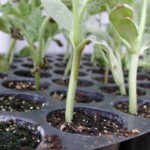
1. What caused the water-soaked stem of this watermelon transplant? A-damping-off B-gummy stem blight C-Lightening strike Correct Answer: B 2. Is this problem likely to spread to other transplants? Yes 3. Will this problem likely spread in the field? Yes More information about gummy stem blight can be found in the article Cantaloupe and Watermelon[Read More…]
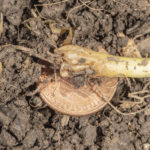
Each and every spring we get reports of poor seed emergence, seedling and transplant damage in early planted crops of all sorts. Most recently in untreated sweet corn, home gardens and transplanted onions. Lucky for us, we got to dive right into this pest and see them in action, but not so lucky for the[Read More…]
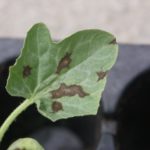
Many cantaloupe and watermelon growers are either growing transplants in a greenhouse or are expecting delivery of transplants in the next few weeks. Either way, growers should inspect transplants for disease before planting in the field. Below I will describe several common transplant diseases of cantaloupe and watermelon as well as management options. Gummy stem[Read More…]
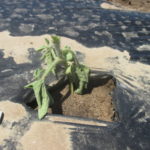
This is a newly released video about when to plant watermelons. https://youtu.be/tHT2mAnNRWk Watermelon, cantaloupe, cucumber plants are very sensitive to low temperatures. Even when frost has passed, soil temperatures below 60°F can result in transplant establishment failure. Check soil temperatures before planting. The rule of thumb is to plant watermelon, cantaloupe and cucumber transplants when[Read More…]
Dear Watermelon Growers, At our past winter technical meeting, several growers suggested fertilizer recommendations need to be reevaluated for watermelon production in our area. This suggestion is timely and critical. We plan to initiate a project for the 2020 watermelon production season to reevaluate the fertility and irrigation practices used in Indiana. We will identify[Read More…]
It is the policy of the Purdue University that all persons have equal opportunity and access to its educational programs, services, activities, and facilities without regard to race, religion, color, sex, age, national origin or ancestry, marital status, parental status, sexual orientation, disability or status as a veteran. Purdue is an Affirmative Action Institution. This material may be available in alternative formats. 1-888-EXT-INFO Disclaimer: Reference to products in this publication is not intended to be an endorsement to the exclusion of others which may have similar uses. Any person using products listed in this publication assumes full responsibility for their use in accordance with current directions of the manufacturer.