
Over the last few weeks, we have received multiple tomato samples at the Purdue Plant and Pest Diagnostic Lab with buckeye rot of the fruit. This is likely due to the recent wet and humid weather we have been experiencing. Buckeye rot is a disease caused by three different Phytophthora species: P. capsici, P. drechsleri,…Read more about Buckeye Rot of Tomato[Read More]
Tomato
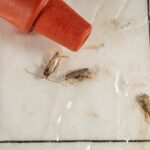
If you are a high tunnel tomato grower, you may have encountered small, blotchy leaf mines (Figure 1) or tiny brown mottled moths (Figure 2) on your plants in the past few years. These tiny pests are the tomato pinworm, Keiferia lycopersicella (family Gelechiidae). They should not be confused with the leaf mining fly, Liromyza…Read more about Insect Spotlight: Tomato Pinworm[Read More]

Fruit cracking is one of the most commonly observed disorders affecting many fruit crops. Cracking can occur in different forms, such as radial splits extending from the stem end, splits at the blossom end, or concentric rings around the fruit. Research has shown that multiple factors influence fruit cracking. Some cultivars are more susceptible to…Read more about What Caused the Cracking of Tomatoes and Melons?[Read More]
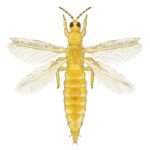
Thrips are soft-bodied insects belonging to the order Thysanoptera. They are tiny, slender, and characterized by their fringed wings (Figure 1). While many thrips species are considered agricultural pests, some are beneficial predators. One important pest species is the western flower thrips (Frankliniella occidentalis; Figure 2), which can cause significant damage to crops. In contrast,…Read more about Insect Spotlight: Thrips[Read More]
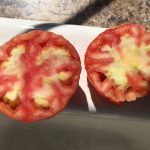
For tomato growers, managing potassium (K) nutrition is critical for both yield and fruit quality. While most producers understand K’s importance, many don’t realize how significantly temperature influences a plant’s ability to uptake and utilize this essential nutrient. With increasing heat extremes, understanding this relationship becomes even more crucial for successful production. The Temperature-Potassium Connection…Read more about Temperature Effects on Potassium Uptake: Managing Heat Stress for Better Tomato Quality[Read More]
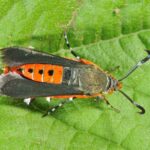
I monitor three different insect pests with pheromone traps to help make informed decisions about when to spray insecticides or take other actions for management. Trap data can be found on the Extension Entomology Vegetables Website. The longest running is the corn earworm (Figure 1) trapping network. Participation in this network entails installing a cone-shaped…Read more about Annual Call for Insect Trappers[Read More]
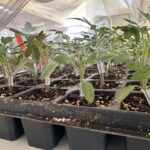
Many growers have heard about or tried tomato grafting at some point. Some have found that grafted plants make a noticeable difference in plant vigor and yield, and have adopted the practice. Others may not have seen the same benefits and felt the extra effort wasn’t worthwhile. But regardless of initial experiences, grafting is a…Read more about Tomato Grafting Resources[Read More]
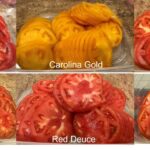
Selecting tomato cultivars can be both exciting and challenging, simply because there are so many options to choose from. Some growers settle on a few favorite cultivars and focus on fine-tuning their production practices to suit them. Others prefer to explore new cultivars every year, selecting those that best fit their evolving production systems. Regardless…Read more about Considerations for Choosing Tomato Cultivars[Read More]
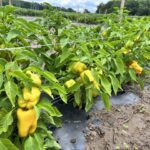
Planning your vegetable varieties for the upcoming season? Purdue University has maintained comprehensive records of vegetable variety trials throughout the Midwest since 1999. The Midwest Vegetable Trial Report series offers valuable applied research findings specifically relevant to vegetable and melon production in the Midwest region. Below, you’ll find abstracts from the most recent reports. For…Read more about Data-Driven Decisions: Choosing Vegetable Varieties with Midwest Trial Results[Read More]
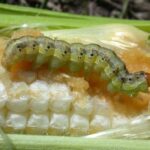
Squash Vine Borer While we have disseminated several Delta traps throughout the state, we are getting few reports back from collaborators. Those who have reported recently (Allen, Marion, and Knox Counties) are all still reporting adult moths being active and caught in traps. Corn Earworm Be sure that you are monitoring your dent corn in…Read more about Insect Trapping Updates Jul-23, 2024[Read More]