We would like to remind readers about the 2021 version of the Midwest Vegetable Production Guide (ID-56). The new guide has been produced; however, the usual printed versions will not be for sale since we will have no in-person meetings at which to sell them. To find out how to access the on-line guide, or to…Read more about The Midwest Vegetable Production Guide for Commercial Growers 2021 (ID-56)[Read More]
Vegetable Crops - General
Cornell Cooperative Extension is a partner on a Rochester Institute of Technology project that is creating new methods for manufacturing plastic mulch and promoting its field break-down. The project aims to tightly match new product development to real-world grower preferences, on-farm use patterns, and current economic constraints surrounding plastic film use. This 5-minute survey is…Read more about Plastic Mulch Survey[Read More]
USDA is implementing Coronavirus Food Assistance Program 2 for agricultural producers who continue to face market disruptions and associated costs because of COVID-19. Here is an expanded list of fruits and vegetables eligible for CFAP2. USDA will accept CFAP 2 applications from September 21, 2020 through December 11, 2020. More information about this program can…Read more about Coronavirus Food Assistance Program 2 for Specialty Crop Producers[Read More]
A list of articles and publications are available at the Purdue Horticulture Business website. Articles range from weekly reports about prices of fruits and vegetables sold at farmers markets, the economic feasibility of plant growth regulators, the importance of relationships in the organic certified markets, and how to strategize your social media marketing. To access…Read more about Update from Purdue Horticulture Business[Read More]
I recently had the opportunity to speak with a grower who was trying to describe what pesticides had been used in his operation. This experience made me realize how confusing it can be to pick out the proper pesticide name. This article will help to describe which pesticide name to use, using fungicide as examples. …Read more about Pesticide Names[Read More]
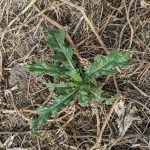
The vegetable crops have all been harvested and it’s time to just relax, right? Maybe. However, the decisions you make this fall will influence your weed control next spring. In all likelihood, you did not control EVERY weed during the growing season. Inevitably, there were weeds that escaped control. If so, these weeds have already…Read more about Post-harvest Weed Management[Read More]
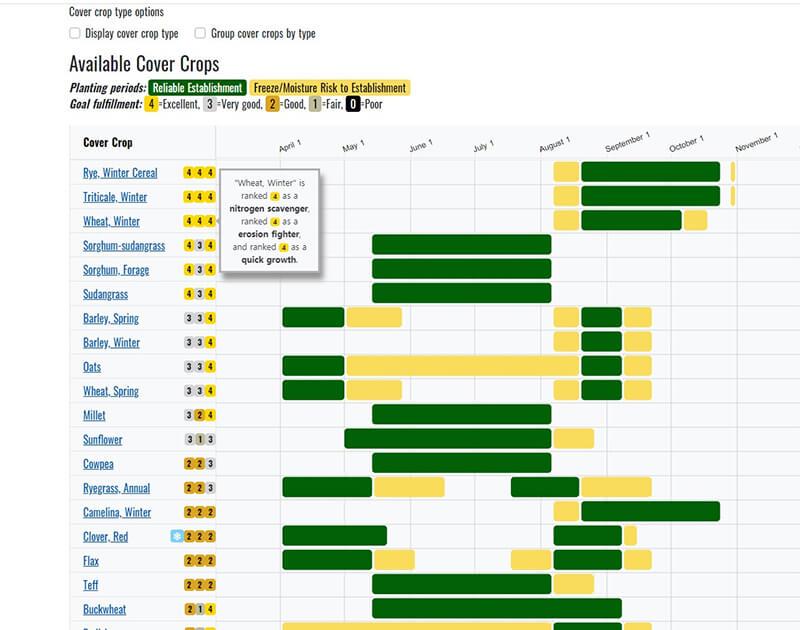
Cover crops have been shown to improve water and soil quality, reduce erosion and capture nutrients. Choosing the right cover crop, however, can be difficult. The Midwest Cover Crops Council (MCCC) —made up of representatives from 12 Midwest states and universities, including Purdue, the province of Ontario and other agricultural stakeholders — is rolling out an improved cover…Read more about Improved Tool can Help Midwest Farmers with Cover Crop Decisions[Read More]
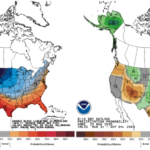
After the last several weeks of predominantly dry conditions, the national climate outlooks are finally showing confidence that temperatures should start shifting to cooler than normal and precipitation will be wetter than normal (Figure 1). Hurricane Laura will definitely help the precipitation side of that prediction with current tracks having the strongest rainfall amounts in…Read more about Cooler, Wetter Conditions Expected Over Next Several Weeks[Read More]
This is an update of the article When to Stop Spraying Fungicide published in issue 666 on Sep. 12, 2019. Many vegetable growers are closing in on the final harvest. Several growers have asked me about fungicide applications late in the season. In this article, I want to address when to stop. To limit the…Read more about When to Stop Spraying[Read More]