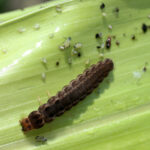
If you’re scouting for cabbage aphids (Figure 1) in your brassicas this summer, don’t overlook one of your garden’s lesser-known allies: soldier beetles, also known as leatherwings (Figure 2). These beneficial insects can be valuable predators, especially when aphid populations begin to surge in warm weather. Cabbage aphids are difficult to manage due to their…Read more about Soldier Beetles: Summer Allies Against Cabbage Aphids[Read More]
Laura Ingwell

Entomology
Area(s) of Interest: Vegetable Pest Management, Protected Agriculture, Controlled Environment Agriculture, Urban Agriculture
Area(s) of Interest: Vegetable Pest Management, Protected Agriculture, Controlled Environment Agriculture, Urban Agriculture
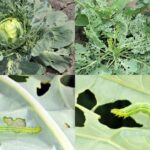
Trichoplusia ni, commonly known as the cabbage looper, is a moth in the family Noctuidae. Native to North America, it is a polyphagous pest (feeds on lots of different plants) that can cause significant damage in a variety of crops and potentially lead to plant death. While cabbage looper has a large geographical distribution, it…Read more about Insect Spotlight: Cabbage Looper[Read More]

Submit your content ideas for the 2026 Indiana Horticulture and Small Farm Conference. Do you want to hear from someone in particular or about a specific topic at this year’s newly combined conference? If so, please scan the QR code or follow the link below to submit your suggestions. The survey will be open until…Read more about Shape the Conversation: Submit Your Topics for Indiana’s 2026 Horticulture and Small Farm Conferences[Read More]

Description The seedcorn maggot, or Delia platura, is a frequent pest in the Anthomyiidae family that can affect both specialty and agronomic crops, including corn, melons, onions, pumpkins, and many others. The larvae, or maggots, of this species damage the crops. The larvae tend to be white or translucent in color, about 1/4 inch long,…Read more about Insect Spotlight: Seedcorn Maggot[Read More]
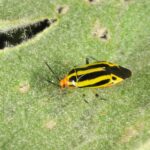
Last week, I had the wonderful opportunity to visit a local grower who installed an insectary strip adjacent to their high tunnel last year. They will be hosting a field day in June (Register HERE), so I wanted to take a sneak peek and see how the plants (and insects) were doing. The plants are…Read more about Introducing the Fourlined plant bug (Poecilocapus lineatus)[Read More]
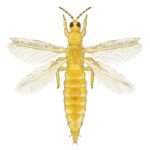
Thrips are soft-bodied insects belonging to the order Thysanoptera. They are tiny, slender, and characterized by their fringed wings (Figure 1). While many thrips species are considered agricultural pests, some are beneficial predators. One important pest species is the western flower thrips (Frankliniella occidentalis; Figure 2), which can cause significant damage to crops. In contrast,…Read more about Insect Spotlight: Thrips[Read More]
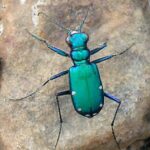
The Green tiger beetle (Cicindela campestris) is a striking ground-dwelling beetle known for its metallic green sheen and ferocious predatory behavior. Native to Europe but with several North American relatives (e.g., Cicindela sexguttata), this beetle belongs to the family Carabidae within the order Coleoptera (Figure 1). It is commonly found in dry, sandy habitats, including…Read more about Green Tiger Beetles: Ferocious Little Hunters of the Ground[Read More]

Spring is in full swing in our research high tunnels at Purdue. Overwintering strawberries that we planted in September are now in full bloom and fruits are being harvested. But as temperatures increase and crops become more productive, we also see the emergence of various insect pests. Aphids, amongst other soft-bodied insect pests (e.g., whiteflies,…Read more about Observations on the Companion Plant: Sweet Alyssum[Read More]
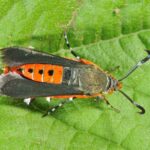
I monitor three different insect pests with pheromone traps to help make informed decisions about when to spray insecticides or take other actions for management. Trap data can be found on the Extension Entomology Vegetables Website. The longest running is the corn earworm (Figure 1) trapping network. Participation in this network entails installing a cone-shaped…Read more about Annual Call for Insect Trappers[Read More]

As spring brings life back into our high tunnels, it also awakens more than just our crops. This year, our spinach beds became an early battleground in the age-old story between pests and their natural enemies. From the first warm days, we began spotting tiny green aphids clustering on young spinach leaves, sucking sap, and…Read more about Tiny Allies in the Tunnels[Read More]