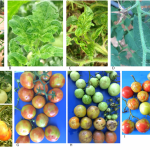
Tomato brown rugose fruit virus (ToBRFV) is making headlines and eliciting USDA action. Growers need to learn more about ToBRFV biology, symptoms and control. Tomato brown rugose fruit virus (ToBRFV) is a newly identified virus affecting tomato, pepper and possibly their relatives. ToBRFV first appeared in Israel in 2014. Since then, it has shown up…Read more about Tomato Brown Rugose Fruit Virus (ToBRFV): A New Concern for Tomato and Pepper Producers[Read More]
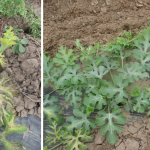
Watermelon is best grown at temperatures around 80-90°F. Temperatures above 90°F reduce the growth rate; above 105°F may cause plant injury. Temperatures below 42°F result in watermelon chilling injury; below 32°F will kill watermelon plants. Extended cool days that lead to soil temperatures dropping into lower 50°F can also kill watermelon seedlings. Using low tunnels is…Read more about Be Cautious When Using Low Tunnels for Early Watermelon Planting[Read More]
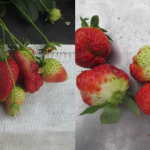
This article discusses the abiotic factors that may cause deformed strawberry fruit. unevenly developed strawberry fruit (Figure 1): Frost damage is probably the most common abiotic factor causing misshapen strawberry fruit. Temperatures lower than 30°F kill the pistil (female part) of strawberry flowers. Depending on the extent of the injury and the stage of fruit development….Read more about Abiotic Factors may Cause Deformed Strawberry Fruit[Read More]
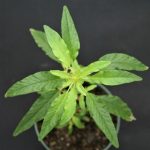
Waterhemp is prevalent in the Midwest and the Great Plain States. It became a significant agricultural weed in 1990s. Before then it was present in crop fields, but it is presumed that it rarely reached economic infestations. It became a problem in Indiana by 1998. Waterhemp is best adapted where less aggressive tillage is practiced….Read more about Waterhemp[Read More]
Recently, the Food and Drug Administration (FDA) announced a temporary policy regarding eligibility for the qualified exemption under the Food Safety Modernization Act (FSMA) Produce Safety Rule. The policy is designed to provide flexibility to growers during the COVID-19 public health emergency. The policy and guidance may be found on FDA’s website at https://www.fda.gov/media/138316/download. Under…Read more about FDA Announces Temporary Policy During the COVID-19 Public Health Emergency[Read More]
As we continue to move toward harvest for many of our produce crops, numbers of workers will continue to increase on produce farms. Management of worker health has been, and continues to be, critical to insuring that farms have adequate labor. The following are a few resources available to growers as they continue to monitor…Read more about COVID-19 Resources for Agriculture Workers and Employers Available[Read More]
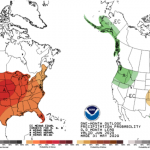
The month of May was sprinkled with a record-breaking freeze over Mother’s Day weekend, followed by heavy rainfall the following weekend, with a roller coaster of cool periods and extremely warm periods. We often think of spring as being that transition between winter and summer with lots of ups and downs, but those extremes from…Read more about June Outlook Calling for Above-Normal Temperatures[Read More]



New 6-3-2020: Application for Coronavirus Food Assistance Program (CFAP) open; Jim Mintert and Indiana FSA Director Steve Brown discuss CFAP application;Indiana State Dept. of Health – Food Safety Guidance (English and Spanish); Guidance for Migrant Farm Workers, Labor Camps Operators and their Employers (Spanish); FDA and USDA release recommendations for those short of PPE. What…Read more about COVID-19 Resources for Vegetable Growers[Read More]
Purdue University prohibits discrimination against any member of the University community on the basis of race, religion, color, sex, age, national origin or ancestry, genetic information, marital status, parental status, sexual orientation, gender identity and expression, disability, or status as a veteran. This material may be available in alternative formats. 1-888-EXT-INFO Disclaimer: Reference to products in this publication is not intended to be an endorsement to the exclusion of others which may have similar uses. Any person using products listed in this publication assumes full responsibility for their use in accordance with current directions of the manufacturer.