In January 2016, Standards for the Growing, Harvesting, Packing, and Holding of Produce for Human Consumption, otherwise known as the Produce Rule, became law. This rule, as part of the Food Safety and Modernization Act, sets a standard for produce food safety. Not all growers are covered by the rule. An excellent flowchart to help determine coverage…Read more about Produce Rule Training Requirements[Read More]
Found 1716 Articles
The VAPG program helps agricultural producers enter into value added activities related to the processing and marketing of bio-based, value-added products. Independent producers, agricultural producer groups, farmer- or rancher-cooperatives and majority-controlled producer-based business ventures are eligible to apply for the program. Beginning farmer or rancher, a small or medium-sized farm or ranch structured as family…Read more about USDA Announced Value Added Producer Grants (VAPG)[Read More]
U.S. EPA approved a supplemental label to use Kerb SC® herbicide in leaf lettuce. Kerb® is a selective herbicide for control of certain annual grasses and broadleaf weeds. It can be used in direct seeded or transplanted leaf lettuce. Application can be made before or after planting but must be made prior to weed emergence….Read more about Kerb SC Labeled for Leaf Lettuce[Read More]
The herbicide Chateau SW® is labeled for several vegetable crops including asparagus, mint, onion, and sweet potato. Recently, several growers asked Purdue University whether this product could be labeled in Indiana for cucurbit production. The answer is that Chateau® is not and will not be labeled for Indiana cucurbit production. We want to use this…Read more about Status of Chateau Label in Indiana[Read More]
Purdue University is pleased to offer Indiana fruit and vegetable farmers a farm walk-through with a private food safety consultant. This opportunity is open to any farm that sells fresh produce and has attended a produce safety educational program. A consultant paid by Purdue will visit your farm to walk through and address your specific farm…Read more about Food Safety On-Farm Consulting and Audit-Cost Share Programs[Read More]
Fruit and vegetable farmers, wholesale produce buyers, agency personnel, and others are invited to attend a Community Meeting to discuss the potential development of an Indiana Fresh Produce Food Safety Audit Service. This community event is a critical component of a study being conducted by New Venture Advisors and Liz Maynard to assess whether or not an…Read more about Community Meeting to Discuss Indiana Fresh Produce Food Safety Audit Service[Read More]
In January 2016, Standards for the Growing, Harvesting, Packing, and Holding of Produce for Human Consumption, otherwise known as the Produce Rule, became law. This rule, as part of the Food Safety and Modernization Act, sets a standard for produce food safety. Not all growers are covered by the rule. An excellent flowchart to help determine coverage…Read more about Produce Rule Water Testing Requirements[Read More]
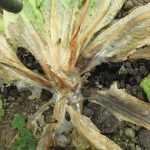
Cool season crops such as lettuce are becoming a more popular crop among Indiana greenhouse/high tunnel growers. One of the most important diseases of lettuce is known as lettuce drop. The symptoms of lettuce drop are often noticed after the thinning stage, early in the crop development. The early symptoms may include browning of leaves. Later…Read more about Lettuce Drop[Read More]
Food Safety Program A series of workshops will help produce marketers better understand food safety practices to lower the risk of contamination by a foodborne illness. Workshop “On-Farm Food Safety for Produce Direct Marketers” will be held on the following dates and locations (all times local): * March 23: Allen County Extension Office, 4001 Crescent Ave.,…Read more about Upcoming Events[Read More]
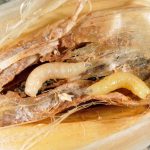
Three species of seed and root maggots attack vegetables in Indiana. The seedcorn maggot (Figure 1) feeds on seeds and seedlings of sweetcorn, cucurbits, lima and snap beans, peas, and other crops. Cabbage maggots can cause serious damage to transplants of cabbage, broccoli, cauliflower, and Brussels sprouts and make the fleshy roots of radishes, turnips,…Read more about Seed and Root Maggots[Read More]
Purdue University prohibits discrimination against any member of the University community on the basis of race, religion, color, sex, age, national origin or ancestry, genetic information, marital status, parental status, sexual orientation, gender identity and expression, disability, or status as a veteran. This material may be available in alternative formats. 1-888-EXT-INFO Disclaimer: Reference to products in this publication is not intended to be an endorsement to the exclusion of others which may have similar uses. Any person using products listed in this publication assumes full responsibility for their use in accordance with current directions of the manufacturer.