
Dual Magnum® has had a special local needs (24C) label in Indiana for use on transplanted bell peppers and other vegetables for a number of years. Last week the label was amended to include additional small fruit and vegetable crops, including asparagus. The new 24C label is available on the National Pesticide Information Retrieval System…Read more about Dual Magnum Indiana 24C Label Amended to Include More Crops[Read More]
Vegetable Crops - General
Inspections of produce farms for compliance with the Food Safety Modernization Act Produce Safety Rule (PSR) are set to begin in July 2019. Passage of SB 331 in the Indiana General Assembly in 2018 gave the Indiana State Department of Health (ISDH) PSR enforcement authority in Indiana, making them the lead agency for inspections. SB…Read more about FSMA Produce Safety Rule Inspections Will Begin in 2019[Read More]

March has been welcoming Indiana like a lion with below-normal temperatures and a combination of above and below normal precipitation (see figure). Snowfall accumulated across the state ranging from less than 1” in the southwest and northwest to as much as 3-4” in the southeast part of Indiana. This precipitation has caused drought to be…Read more about Indiana Climate and Weather Report[Read More]
Cover crops can be a useful conservation practice for improving soil health, scavenging and recycling nutrients, reducing erosion, and contributing to more resilient cropping systems over the long term. Two new extension publications about Cover Crop Recipes for Indiana are available at the Purdue Education Store: https://edustore.purdue.edu/item.asp?Item_Number=AY-356-W https://edustore.purdue.edu/item.asp?Item_Number=AY-357-W There is also a webinar scheduled on Feb….Read more about Cover Crop Recipes for Cover Crop Users in Indiana[Read More]
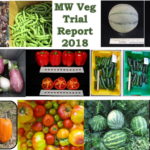
Looking for information about new crop varieties? Reports on variety performance of sweet corn, pumpkin, summer squash and zucchini, melon, watermelon, picking cucumber, pepper, tomato, heritage beans, and specialty eggplant are available online at https://ag.purdue.edu/hla/fruitveg/Pages/mvtr2018.aspx.
Presentations from many past Purdue educational programs for vegetable growers are available online at https://ag.purdue.edu/hla/fruitveg/Pages/presentations.aspx. Slides from the 2019 Illiana Vegetable Growers Symposium are available now. Indiana Hort Congress presentations will be available soon.

Produce Safety Alliance Grower Training Date: September 28, 2018, 9:00 am – 5:00 pm (EST) Location: Southwest Purdue Agriculture Center, 4369 N. Purdue Rd., Vincennes, IN Purdue Extension will be hosting a Produce Safety Alliance (PSA) Grower Training on September 28th. The training will be held in the basement of the SWPAP building at the…Read more about Upcoming Events[Read More]
Indiana State Department of Agriculture/Indiana Grown was recently awarded a grant in partnership with the Indiana State Department of Health, Indiana Dept of Education and Purdue Extension to create an all-inclusive local food sourcing guide for schools, called Indiana Grown for Schools: School Food Service Resource Guide. This two-year project will start with gathering information…Read more about Farm to School Survey[Read More]
Beginning in August, Purdue Extension will offer produce food safety trainings throughout Indiana. The trainings utilize the Produce Safety Alliance (PSA) training curriculum and will be offered at multiple locations across the state. For produce farms that are covered under the Food Safety Modernization Act Produce Safety Rule, at least one manager or responsible person…Read more about Purdue Extension Offers Produce Food Safety Training Across Indiana[Read More]
The On Farm Readiness Review (OFRR) is now available and being offered to Indiana produce growers. The OFRR is a VOLUNTARY assessment of your farm’s readiness to be in compliance with the Produce Safety Rule. This is not an audit or inspection, but a chance for you to have a team of reviewers visit your…Read more about On Farm Readiness Review is Available for Growers[Read More]