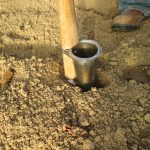
This article introduces a new soil test for high tunnel growers. Why is there a need for a new soil test for high tunnel production? Soil tests are valuable tools helping growers decide how much fertilizers and/or other soil amendments to apply for growing a specific vegetable crop. It also helps growers to detect soil…Read more about A New Soil Test for High Tunnel Growers[Read More]
Vegetable Crops - General
Beginning this month, Purdue Extension will offer produce food safety trainings throughout Indiana. The trainings utilize the Produce Safety Alliance (PSA) training curriculum and will be offered at multiple locations across the state. For produce farms that are covered under the Food Safety Modernization Act Produce Safety Rule, at least one manager or responsible person…Read more about Dates Announced for Produce Safety Alliance Grower Training[Read More]
As the production season winds down there are two weed-related news items that producers should be aware of: New Requirements for Users of Paraquat Herbicide. Paraquat dichloride is the active ingredient in products such as Gramoxone®, Devour®, Cyclone®, and Quik-Quat®. Earlier this year the Environmental Protection Agency (EPA) announced the following changes to paraquat requirements:…Read more about Weed Science Updates[Read More]

Have you thought about producing your own value-added products (value-added: further process fresh produce to increase its value)? What’s the challenges for you to start or scale up your own value-adding business? We would like to invite you to participate in the study “Attitude, Knowledge, and Barriers towards Value-Adding Business among Indiana Fruit and Vegetable…Read more about Survey for Attitude, Knowledge, and Barriers towards Value-Adding Business[Read More]
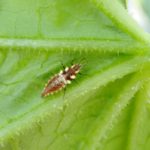
As the days grow shorter and those of you who adventure into winter production begin to prepare your seed starts, keep an eye out for unwanted invaders. Pests such as thrips, mites and aphids may be on the move as our field production dwindles, and nothing is tastier than a tiny new plant! In order…Read more about Considerations as You Prepare for Winter Production[Read More]
Many vegetable growers are closing in on the final harvest. Several growers have asked me about fungicide applications late in the season. In this article, I want to address when to stop. To limit the scope of this article, I will concentrate on tomato, cantaloupe and watermelon crops. These are crops where the fruit is…Read more about When to Stop Spraying Fungicide[Read More]
Vegetable growers are used to scouting for pests such as spider mites and aphids. Growers have come to recognize the yellow leaves caused by spider mites and the curled leaves caused by aphids. Growers understand that even after spider mites and aphids are dead, the symptoms of the damage may remain on the affected leaves….Read more about Fungicides and Lesions[Read More]

While the remnants of Hurricane Barry brought some much-needed precipitation to the state, the next few weeks look to be on the dry side. Temperatures are also expected to be warmer than normal, so heat stress may become an issue for plants and animals. The Midwestern Regional Climate Center’s (MRCC) Vegetation Impact Program (VIP) provides…Read more about Indiana Climate and Weather Report[Read More]
On June 5, the Indiana State Department of Health (ISDH) mailed letters to produce growers having annual food sales over $500,000 informing them that inspections of produce farms would start in July. Due to their sales volume, these growers are expected to be in compliance with the Food Safety Modernization Act Produce Safety Rule (21CFR…Read more about The Inspection Process Has Started![Read More]

So far for the month of May, temperatures across the state vary by nearly 2˚F above normal in the southeast and almost 3˚F below normal in the extreme northwest. Similarly, the same trends can be seen in the Modified Growing Degree Days as they are based on temperature (Figure 1). The main story continues…Read more about Indiana Climate and Weather Report[Read More]