We are planning programs for the Indiana Horticultural Congress and other winter meetings. The best ideas for topics and speakers come from you! Let us know what you want to hear and who you want to hear it from. Call or email with suggestions. Thanks!!
Vegetable Crops - General
You might remember seeing cation exchange capacity in soil test reports. Recently, I have been asked about what it means. This is one of the important soil characteristics that we need to understand. Firstly, we need to know what cations are. Cations are positively charged ions. There are several. The ones very important for plant…Read more about Cation Exchange Capacity (CEC): What Does It Mean?[Read More]

Dr. Wenjing Guan comes to Purdue from North Carolina Agricultural and Technical State University, where she was a Horticultural Specialist working on season extension for vegetable production. She was involved in research projects to establish planting calendars for organically produced warm season (tomato, cucumber and pepper) and cool season (lettuce, spinach and pak choi) vegetables…Read more about Welcome Dr. Wenjing Guan[Read More]
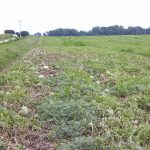
Protecting vegetable crops from foliar disease involves many factors. Crop rotation and fall tillage will help to lessen disease severity. Choosing a resistant or partially resistant variety can lower the amount of disease. Purchasing seed that has been tested for seed borne disease is also an important factor. Most growers, however, find it is also…Read more about To Spray or Not To Spray[Read More]
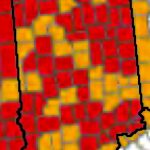
On August 12, 2015, USDA designated 88 counties in Indiana as natural disaster areas due to heavy rainfall since May. The four counties not designated disaster areas are LaGrange, Perry, Spencer and Steuben. Farm operators in the ‘disaster’ counties are eligible for low interest emergency loans from the Farm Service Agency, provided they meet…Read more about USDA Designates Disaster Areas in Indiana[Read More]
Code Red Webinar. Thursday, August 27, 2015. 12:00 P.M. – 1:00 P.M. EDT. The Code Red tool developed by the Purdue Women in Agriculture Team is a must have for every family, business, and farm operation. The tool includes important information such as passwords, bank account information, rental agreements, insurance papers, power of attorney documents,…Read more about Upcoming Events[Read More]
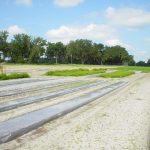
Tomato growers who utilize high tunnels to reach early markets often find that there are few economic alternatives to tomato. Therefore, many growers grow tomatoes after tomatoes instead of rotating to a different crop. The repeated cropping of tomato in the same area can lead to disease problems such as Fusarium crown rot and white…Read more about Soil Solarization[Read More]
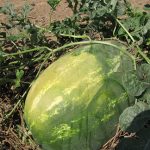
Loss of foliage due to poor growing conditions or disease can cause fruit to be exposed to the sun. Hot temperatures and direct sunlight can lead to areas of the fruit that appear bleached or sunburned. Sunburned fruit may not be marketable. To reduce the probability sunburned fruit, every effort should be made to maintain foliage…Read more about Sunburn on Vegetables[Read More]

Pinney Purdue Vegetable Field Day and Sweet Corn Sampler. Thursday, August 13, 2015. 4:00 p.m. – 8:00 p.m. CDT. Pinney Purdue Ag Center, 11402 S. County Line Rd., Wanatah, IN. Plot tours include soil health management and disease suppressive soils, tomatoes and peppers in high tunnels, and sweet corn varieties. Private Applicator Recertification (PARP) Credit…Read more about Upcoming Events[Read More]
With the record-setting rainfall we’ve seen over the past month, flooding of fields is very widespread (Figure 1). Fields that have experienced flooding present growers with difficult management choices. Flooding is defined (per FDA) as the “flowing or overflowing of a field with water outside a grower’s control.” Flooding is associated with streams, creeks, or…Read more about Food Safety Considerations for Flooded Vegetable Crops[Read More]