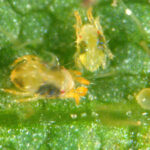
Are you interested in collaborating with Purdue Entomology on the grant “Improving two-spotted spider mite management in high tunnel cucumber production” funded by North Central SARE, Sustainable Agriculture Research and Education (LNC20-438)? The primary objectives of this research are to increase our understanding of two-spotted spider mite dynamics and management in a high tunnel cucumber…Read more about Looking for Collaborators on High Tunnel Spider Mite Project[Read More]
Greenhouses & High Tunnels
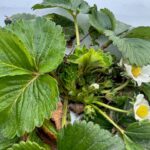
Frost/freeze damage is one of the major risks of growing strawberries in Indiana. During the morning of April 24, a widespread freeze event caused damage to several crops, including strawberries. Strawberries in southern Indiana, particularly on plasticulture, have entered full bloom. Without protection, freeze damage was extensive in some fields. A case study was described…Read more about Strawberry Crop Update[Read More]

High tunnels are essential for every vegetable grower as they can modify the growing environment for crop earliness, protect the crop against environmental stress, reduce disease and insect pressure, and extend the growing season. Growing in a high tunnel is like growing crops in an irrigated desert. Natural rainfall is unavailable inside your high tunnel,…Read more about Soil and Water Data is Critical for High Tunnel Growers[Read More]

The Midwest Vegetable Trial Report series includes reports of applied research relevant to vegetable and melon production in the midwestern U.S. The purpose of the series is to publish results and document the annual results of vegetable and melon research projects. In 2022, 16 trial reports from Indiana, Illinois, Michigan, and Minnesota were published. Variety…Read more about Midwest Vegetable Trial Reports. A Great Resource for Growers.[Read More]

Almost every year, I have a greenhouse tomato grower or two call me about tomato plants that are distorted and don’t seem to be growing right. The problem often turns out to be ethylene damage. This year, I have already received my first case of heater problem. Please read the article below to avoid or…Read more about Ethylene Damage on Tomato Plants[Read More]
The EQIP program is a great program that helps growers to get access to finance and technical assistance. I reached out to Sarah Vaughn, District Conservationist at the Lafayette NRCS Service Center, and she had the following comments. “Applications for EQIP financial assistance are accepted throughout the year. Indiana’s EQIP deadline is typically mid-December. Producers…Read more about NRCS Environmental Quality Incentives Program (EQIP) Financial Assistance[Read More]

In your propagation/seeding house, you are setting the stage for the remainder of your growing season, and there are a few key things I would like to remind you about to minimize pest issues at this crucial stage. Cleanliness is key! Make sure you start with clean trays for any transplants you may be generating….Read more about Start Your Season off Right with Pest-free Transplants[Read More]
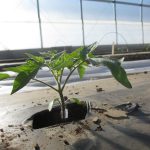
Grafted tomatoes show advantages, particularly for high tunnel production. A Purdue extension publication, Techniques for Tomato Grafting, and the video provide a step-by-step guideline for small growers to explore this technique. I am often asked. When should I start to plant the seeds to produce grafted plants? The chart below shows a general timeline and materials needed to produce…Read more about Grafted Tomatoes for High Tunnel Production[Read More]

A common approach in winter production is to allow crops to reach maturity or harvestable size by the end of November. High tunnels are then used as a ‘living refrigerator’ from December to around the middle of February. Crops are harvested as needed in the darkest and coldest periods. This approach, however, did not work…Read more about Low Temperatures in December Hurt January and February Markets[Read More]
In April we announced a new bulletin “Scheduling Fall and Winter Vegetable Production in High Tunnels”, available from the Purdue Education store at https://edustore.purdue.edu/item.asp?Item_Number=HO-330-W . With the fall/winter high tunnel season underway we are now announcing it again. The publication brings together information collected on farms and research stations in Indiana and Ohio to provide…Read more about Scheduling Fall and Winter Vegetable Production in High Tunnels, Revisited[Read More]