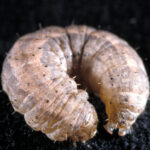
Each year we get several reports of seedlings being cut at or near the base of the plant/soil surface. The critter who gets the blame most often is cutworms. And that makes sense because the damage is in the name. However, with closer inspection, it seems that the blame can often be misplaced. There are…Read more about Cut Seedlings and the Potential Culprits[Read More]
Pests and Pest Management - General
References, associations, organizations, periodicals, pesticides, pesticide safety, pest laws and regulations
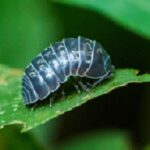
Background Pillbugs, roly-polys, and potato bugs are the dominant common names for the isopod genus Armadillidium spp. As the scientific name suggests, these little critters resemble mini armadillos but are, in fact, crustaceans that live on land (Figure 1). Therefore, they are more closely related to lobsters, crabs, and shrimp than insects. Pillbugs are important…Read more about Are Pillbugs Pests? How Can They be Managed?[Read More]
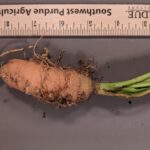
We announced in a previous newsletter article that we are doing a survey to understand the extent of root-knot nematode (RKN) damage on vegetable crops in Indiana. Among the 18 soil samples from high tunnels of 14 farms, RKNs (juvenile or adult) were found in 13 samples at 9 farms. Only 3 farmers knew RKN…Read more about Root-knot Nematode may be a Hidden Problem in High Tunnels[Read More]
Purdue recently joined and became one of twenty US states that are in the NEWA network. NEWA is a partnership of land grant universities and grower associations. If you live in one of the states listed, you can buy a weather station for your farm and connect to NEWA. For Indiana growers, this means your membership is…Read more about A NEWA Deal for Indiana[Read More]

Researchers at Purdue University and The College of Wooster are conducting a study to learn more about insect pest management practices used by vegetable producers in the Great Lakes and Mid-Atlantic regions of the US. Although there is a key insect we’re curious about (the carrot weevil), you’ll only see 1 question about it; the…Read more about Calling on Indiana Vegetable Producers: Tell us more about insect management in your crops![Read More]
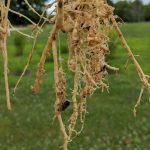
Root-knot nematodes (RKN) are a devasting soilborne pest on a wide range of vegetables and fruits. They are most active in well-aerated soils and they like warm weather. Increasingly, we saw this pest in our regions. Root-knot nematode infections result in root swellings called galls, and heavily infected crops by RKN display aboveground symptoms such…Read more about Root-knot Nematode on Vegetable Crops[Read More]
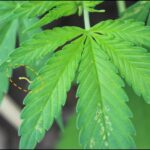
This is our second year scouting CBD hemp to learn more about the insect communities occurring on these plants throughout the season and ‘who’ the potential pest insects might be! This year we had the opportunity to scout CBD hemp plants grown both in the field and in a high tunnel environment (Figure 1). Since…Read more about Insects Visiting CBD Hemp so Far During Summer 2021[Read More]
We were all hoping it would happen later, but unfortunately, the spotted lanternfly (SLF) (Lycorma delicatula) (Figure 1), an invasive planthopper with a piercing-sucking feeding strategy, was officially detected in Vevay, Indiana (Switzerland County) for the first time in July 2021. You can see pictures and read more about the detection at the Indiana Department…Read more about Spotted lanternfly has been Detected in Indiana[Read More]
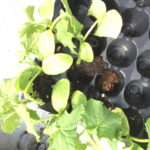
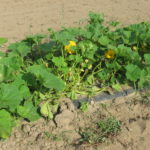
Winter squash – butternut, acorn, and kabocha – in our downy mildew sentinel plot at Pinney Purdue were showing some wilted and stunted plants by late July (Figure 1). They are easily pulled up, the stem breaking off at ground level, revealing a brown stringy decayed-looking stem base (Figure 2). Sometimes there is a little…Read more about Wilting Cucurbits! What could it be?[Read More]