
Date/Time: Session #1 6/16/2025 1:00 PM – 2:00 PM (CDT) Session #2 6/17/2025 1:00 PM – 2:00 PM (CDT) Registration Deadline: 6/16/2025 1:00 PM (CDT) Fee: No Fee Register HERE https://isbdc.ecenterdirect.com/events/17091 Point of Contact: Catherine King (812) 425-7232 Program Format: Multi-session Course Training Topics: Agribusiness, Buy/Sell Business, Legal Issues, Managing a Business Description ***This is an online-only event.*** Secure…Read more about Succession Planning Basics for Farmers (2-part live webinar series)[Read More]
Found 1626 Articles
The Clearspring Produce Auction is located just 2 miles south of US 20 in Clearspring Township in the Heart of the LaGrange-Elkhart Amish Settlement. It is within easy driving distance of the towns of Shipshewana, Topeka, Emma, and LaGrange. Produce is sold three days a week (Tuesday, Thursday, and Friday) throughout most of the growing…Read more about Clearspring Produce Auction Price Update[Read More]
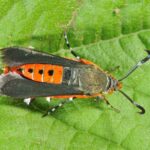
I monitor three different insect pests with pheromone traps to help make informed decisions about when to spray insecticides or take other actions for management. Trap data can be found on the Extension Entomology Vegetables Website. The longest running is the corn earworm (Figure 1) trapping network. Participation in this network entails installing a cone-shaped…Read more about Annual Call for Insect Trappers[Read More]
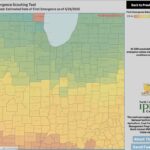
Midwestern farmers have faced a buildup of pesticide resistance in pigweeds (waterhemp and Palmer amaranth), highlighting the importance of scouting to detect weeds early in their growth stages. Otherwise, weed escapes are a common issue as herbicides lose their efficacy when weeds are allowed to grow long enough into their growth cycle. The Midwestern Regional…Read more about Midwestern Regional Climate Center Launches New Experimental Weed Emergence Scouting Tool[Read More]
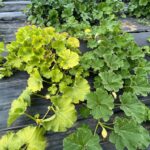
Introduction Cucurbit yellow vine disease (CYVD) is an emergent disease in the United States caused by the bacterium Serratia ureilytica, and it commonly affects zucchini, squash, watermelon, and melons. The pathogen that causes CYVD is transmitted by the squash bug (Anasa tristis, Figure 1), and other potential vectors include the striped cucumber beetle (Acalymma vittatum)…Read more about Pathogen Spotlight: Serratia ureilytica Causing Cucurbit Yellow Vine Disease[Read More]

In a producer survey done in 2024-2025 by the Soil to Market Team (Maria Marshall, Renee Wiatt, Petrus Langenhoven, Betty Feng, and Nathan Shoaf), small and medium farms were asked questions related to decisions, operations, and people on the farm. Some of those questions inquire about their interactions with and considerations of customers. From interacting…Read more about Small and Medium Farms: Does Focusing on and Communicating with Customers Pay Off?[Read More]

As spring brings life back into our high tunnels, it also awakens more than just our crops. This year, our spinach beds became an early battleground in the age-old story between pests and their natural enemies. From the first warm days, we began spotting tiny green aphids clustering on young spinach leaves, sucking sap, and…Read more about Tiny Allies in the Tunnels[Read More]
The Clearspring Produce Auction is located just 2 miles south of US 20 in Clearspring Township in the Heart of the LaGrange-Elkhart Amish Settlement. It is within easy driving distance of the towns of Shipshewana, Topeka, Emma, and LaGrange. Produce is sold three days a week (Tuesday, Thursday, and Friday) throughout most of the growing…Read more about Clearspring Produce Auction Price Update[Read More]
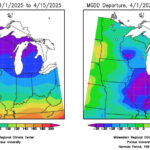
Despite the wet start to the month, the entire state saw less than 50 percent of normal rainfall from April 10 to 16, and in some cases, less than 10 percent of normal rainfall (Figure 1). This was helpful, especially since some locations are still dealing with river flood warnings and ponded, saturated fields. This…Read more about Wet Pattern to Return[Read More]
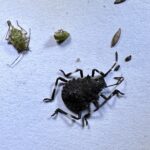
Lygus is a genus of insects within the family Miridae (Order: Hemiptera, piercing-sucking true bugs) that often feed on common horticultural crops. These small insects have rather large eyes, heavily patterned, neutrally colored wings, and long, spindly antennae. The diet of Lygus bugs, as they are colloquially called, is incredibly diverse, ranging from cotton and…Read more about Insect Spotlight: Lygus Bugs[Read More]
Purdue University prohibits discrimination against any member of the University community on the basis of race, religion, color, sex, age, national origin or ancestry, genetic information, marital status, parental status, sexual orientation, gender identity and expression, disability, or status as a veteran. This material may be available in alternative formats. 1-888-EXT-INFO Disclaimer: Reference to products in this publication is not intended to be an endorsement to the exclusion of others which may have similar uses. Any person using products listed in this publication assumes full responsibility for their use in accordance with current directions of the manufacturer.