
Welcome to the Vegetable Crops Hotline (VCH), Purdue Extension’s exclusive newsletter for people in the business of growing vegetables. The past two weeks were packed with field days. The Purdue Fruit and Vegetable and the Purdue Small Farm Education field days were well attended, 90 and 73, respectively. This issue includes our insect and weed…Read more about From the Editor’s Desk[Read More]
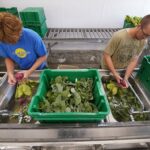
Harvest season is easily one of the busiest and craziest times of the year. Crops are being harvested, packed, shipped, and sold against a backdrop of perishability, weather, and ever-changing markets. Harvest and postharvest handling are also critical times for food safety. Handling of the crop by workers, transporting of produce, and aggregating the crop…Read more about Food Safety Considerations for Postharvest Handling of Produce[Read More]
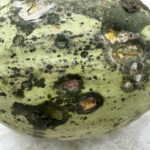
Bacterial fruit blotch (BFB) is a disease caused by the pathogen Acidovorax avenae subsp. citrulli. Most cucurbit crops are affected by this disease, although watermelon cultivars are commonly more susceptible. However, this summer, I received cantaloupe samples (Figures 1 and 2) that tested positive for BFB using serological tests. When environmental conditions are conducive,…Read more about Bacterial Fruit Blotch On Cucurbits[Read More]
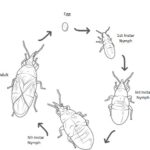
Orius insidiosus, also known as the minute pirate bug, is native to North America and a beneficial insect (Figure 1). They are generalist omnivores, feeding on other insects and pollen. Minute pirate bugs belong to the Order of true bugs — Hemiptera — in the family Anthocoridae. Orius insidiosus can be found in a wide range…Read more about Insect Spotlight: The Minute Pirate Bug – A Key Predator[Read More]
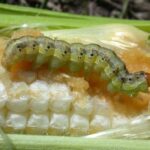
Squash Vine Borer While we have disseminated several Delta traps throughout the state, we are getting few reports back from collaborators. Those who have reported recently (Allen, Marion, and Knox Counties) are all still reporting adult moths being active and caught in traps. Corn Earworm Be sure that you are monitoring your dent corn in…Read more about Insect Trapping Updates Jul-23, 2024[Read More]
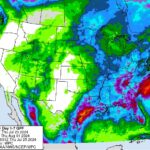
Several weeks ago, Indiana received enough rain to eliminate drought across the state, leaving behind just a few counties in Abnormally Dry (D0) status. Fortunately, this week has been relatively quiet, allowing many areas to alleviate flooding issues. The U.S. Drought Monitor kept those Abnormally Dry areas nearly the same this week (Figure 1), so…Read more about A Break Before More Rain[Read More]

ON-SITE REGISTRATION AVAILABLE (Lunch not guaranteed with on-site registration) The 7th Annual Midwest Mechanical Weed Control Field Day is heading to Meigs Horticulture Research Farm in Lafayette, IN, in 2024! This amazing event consistently draws more than 150 farmers from around the Midwest to hear from experts, meet with company representatives, network with other farmers,…Read more about 2024 Midwest Mechanical Weed Control Field Day[Read More]
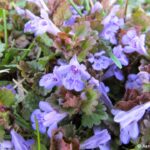
Common names: Ground ivy, gill-over-the-ground, creeping Charlie, field balm, haymaids, cat’s foot, alehoffs Latin name: Glechoma hederacea L. Family: Lamiaceae (Mint Family) General Description and Identification Ground ivy is a perennial herbaceous plant that creeps along the soil surface and thrives in moist and shady areas (Figure 1). It was introduced to the US from…Read more about Weed Spotlight: Ground Ivy[Read More]

Date: September 4, 2024 Time: 3:00 – 8:00 PM EST Location: Southwest Purdue Ag Center, 4369 N Purdue Rd, Vincennes, IN 47591 Dinner Provided Join us for an informative workshop designed specifically for small-scale vegetable producers. This event will be held at the Southwest Purdue Ag Center in Vincennes, IN, on September 4th, 2024, from…Read more about Irrigation Workshop for Small-Scale Vegetable Producers on Sept. 4[Read More]
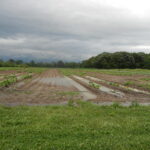
Under waterlogging conditions, oxygen depletion in the soil injures roots, limiting their ability to uptake nutrients and water. In response, plants close their stomata to prevent water loss, leading to a subsequent reduction in photosynthesis. Common symptoms include wilting, stunted growth, and yellowing leaves. If the stress persists for an extended period, plants may eventually…Read more about Recovering Vegetable Crops from Waterlogging[Read More]
Purdue University prohibits discrimination against any member of the University community on the basis of race, religion, color, sex, age, national origin or ancestry, genetic information, marital status, parental status, sexual orientation, gender identity and expression, disability, or status as a veteran. This material may be available in alternative formats. 1-888-EXT-INFO Disclaimer: Reference to products in this publication is not intended to be an endorsement to the exclusion of others which may have similar uses. Any person using products listed in this publication assumes full responsibility for their use in accordance with current directions of the manufacturer.