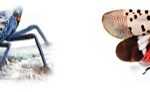
We were all hoping it would happen later, but unfortunately, the spotted lanternfly (SLF) (Lycorma delicatula) (Figure 1), an invasive planthopper with a piercing-sucking feeding strategy, was officially detected in Vevay, Indiana (Switzerland County) for the first time in July 2021. You can see pictures and read more about the detection at the Indiana Department…Read more about Spotted lanternfly has been Detected in Indiana[Read More]
Found 1716 Articles

Please join us for the 2021 Hydroponics Workshop, hosted by Krishna Nemali! September 22, 2021 (8.30 am to 3.00 pm) (A daylong interactive learning session and hands-on activities related to greenhouse and indoor hydroponics) Register online at https://purdue.ca1.qualtrics.com/jfe/form/SV_cCJPpWrODzqmO7Y Deadline to register: September 19, 2021 (Registration is required to attend the workshop. Registration fee ($25) includes…Read more about Hydroponics Workshop[Read More]
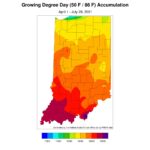
After three consecutive weeks of Indiana being drought free according to the US Drought Monitor, it looks like next month is favored to be drier than normal and cooler than normal. That does not necessarily imply drought is expected to return since rain events may still occur. However, the predicted amounts of rain are low,…Read more about Early August Predicted to be Cooler and Drier than Normal[Read More]

WHAT: An Indiana Pesticide Clean Sweep Project designed to collect and dispose of suspended, canceled, banned, unusable, opened, unopened or just unwanted pesticides (weed killers, insecticides, rodenticides, fungicides, miticides, etc.) is being sponsored by the Office of Indiana State Chemist (OISC). This disposal service is free of charge up to 250 pounds per participant. Over…Read more about Clean Sweep 2021[Read More]
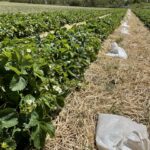
Growers interested in growing strawberries on a plasticulture system can choose to use plug plants or bare-root plants. The pros and cons of using each of the planting materials was discussed in a previous article. This article will discuss the importance of planting dates for growers who chose to use plug plants. In the…Read more about Getting Ready to Plant Strawberries in a Plasticulture System – Planting Date[Read More]
Downy mildew has been observed in Knox County on cucumber. In addition, downy mildew on cucumber has been reported in central Michigan on cucumber and central and northern Ohio on cucumber and cantaloupe. The downy mildew race type found in Knox county that goes to cucumber and cantaloupe may also go to other cucurbits such…Read more about Cucumber Downy Mildew Found in Indiana[Read More]
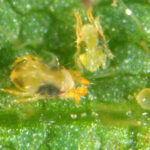
Sometimes choosing the right product to manage a particular pest can be a daunting and risky task, especially when crops are close to harvest and an imposing outbreak sneaks up on you. One such pest that is sneaky are two-spotted spider mites (Tetranychus urticae; Figure 1). This microscopic pest can hang out in the crop…Read more about Considerations when Selecting the Right Miticide[Read More]
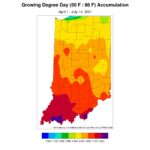
It is amazing to think that some part of Indiana has been in at least the Abnormally Dry category of drought on the US Drought Monitor for over a year. While it has not always been the same parts of the state, certainly northern Indiana has been the most consistently dry. Recently, however, the state…Read more about First Time Indiana is Drought Free Since Early June 2020[Read More]
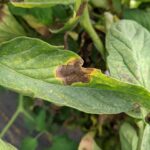
Listed below are select foliar diseases of tomato. Early blight and Septoria leaf blight These diseases are listed together because, from a few paces away, the diseases appear similar. And the management for these diseases is similar. Together these diseases are probably the most common diseases of tomatoes in the field. One of the most…Read more about Foliar Diseases of Tomato[Read More]
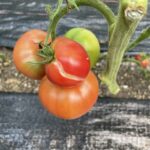
Tomatoes cracking in the late stages of ripening (Figure 1) was observed in our field visit. This article discusses conditions that are likely to predispose tomatoes to crack. The cracking that happened recently in open field production is likely associated with the heavy rains. The problem is most observed when a dry period is followed…Read more about Cracking Tomatoes[Read More]
Purdue University prohibits discrimination against any member of the University community on the basis of race, religion, color, sex, age, national origin or ancestry, genetic information, marital status, parental status, sexual orientation, gender identity and expression, disability, or status as a veteran. This material may be available in alternative formats. 1-888-EXT-INFO Disclaimer: Reference to products in this publication is not intended to be an endorsement to the exclusion of others which may have similar uses. Any person using products listed in this publication assumes full responsibility for their use in accordance with current directions of the manufacturer.