
Most shoppers and food manufacturers don’t buy produce from a farm field; they need veggies that have been washed, sorted, and prepped to consume. In Indiana, crops like tomatoes, pumpkins, and melons thrive, in part, because of strong middle-supply-chain processes that ready them for wholesale markets. Whether in ketchup or toothpaste, you’ve probably consumed an…Read more about Unlocking Markets in the Middle Supply Chain[Read More]
Root, Tuber, and Bulb Crops

Description The seedcorn maggot, or Delia platura, is a frequent pest in the Anthomyiidae family that can affect both specialty and agronomic crops, including corn, melons, onions, pumpkins, and many others. The larvae, or maggots, of this species damage the crops. The larvae tend to be white or translucent in color, about 1/4 inch long,…Read more about Insect Spotlight: Seedcorn Maggot[Read More]

This week, we experienced another round of very cold days, with minimum temperatures dropping into the single digits. Under these conditions, row covers are essential for helping plants survive and preventing cold damage even inside high tunnels. The difference in the minimum temperatures inside and outside of high tunnels may not always be significant, as…Read more about How Much Warmth Row Covers Provide at Extreme Cold Nights?[Read More]
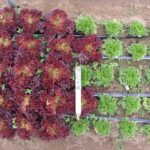
When we surveyed Indiana high tunnel producers eight years ago, about two-thirds of the operations grew cool season crops for harvest from November to March. Although spring field planting season is just underway, it is not too early to plan for markets and organize a production schedule for fall. This article summarizes common crops and…Read more about Planning for Fall and Winter Production in High Tunnels[Read More]
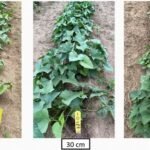
Background Sweet potato is a staple crop that provides nutritional benefits to humans globally, but weed interference (Figure 1) can reduce yields by 22 to 90%. Despite increased organic sweet potato production in the United States, growers face challenges with limited weed management options and often resort to cultivation and hand-weeding. Objectives and Methodology To…Read more about Findings From Two Years of Organic Sweet Potato Weed Management Research[Read More]
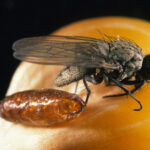
The seedcorn maggot, Delia platura, is one of the first pests that will cause damage to vegetables in the spring in our region. This fly, which resembles a house fly but is smaller (Figure 1), begins to emerge from the overwintering pupal stage in the soil in early spring. Upon emergence, the flies quickly aggregate…Read more about Insect Spotlight: Seedcorn Maggot[Read More]

The Purdue Small Farm Education Field Day is presented on July 27, 2023, at the Purdue Student Farm in West Lafayette, IN. Registration for the field day is now open. To reserve your spot, visit https://cvent.me/ewWN3b. Students register for free! Please get in touch with Lori Jolly-Brown to receive the discount code for student registration….Read more about Purdue Small Farm Education Field Day – Registration Now Open[Read More]
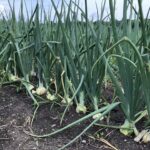
Onions are poor competitors with weeds. Their narrow leaves do not compete well for light, and their shallow root system makes them poor competitors for water. Tight in-row and between-row plant spacing make mechanical weed control, including hand-weeding, difficult. Chemical weed control can be effective and reduce the amount of time required to hand-weed onions….Read more about Even Minimal Herbicide Use Can Reduce Hand-Weeding Time[Read More]
The warm weather of late did not only pull us out of our winter slumber but definitely awoke some of our overwintering pests as well. Cucumber beetles and seedcorn maggots are likely on the hunt for food, and your early-season crops may be exactly what they are looking for. Striped cucumber beetles (Figure 1) are…Read more about Threats to Early Seedlings[Read More]

The 2022 Purdue Small Farm Education Field Day was a big success. Nearly 72% of attendees reported that they learned something new. Nearly half indicated they plan to adopt recommended practices for diversified farming systems, and over a third (36.0%) plan to adopt recommended practices for creating, improving, or strengthening their business. Half (52.0%) indicated…Read more about Small Farm Education Field Day, July 27, 2023[Read More]