
Precipitation is one of the most variable weather phenomena with such an incredible local impact on communities. Too little can lead to drought and water supply issues, whereas too much can lead to flooding and infrastructure damage. Across Indiana, there are approximately 120 volunteer observers (Figure 1) who provide daily temperature and precipitation data to…Read more about Volunteer Weather Observers Needed to Help Measure Rain, Hail, and Snow[Read More]
Climate and Weather
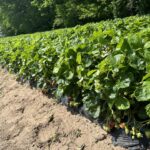
Strawberry growers are at the forefront of the battle against spring frost/freeze challenges. This task undoubtedly is getting more complicated with the current weather. We will have a few cold nights next week with forecasted temperatures around the middle 20s °F in Vincennes. Strawberry growers in Southern Indiana are considering whether to implement frost/freeze protection…Read more about Plasticulture Strawberry Crop Status in Southern Indiana[Read More]
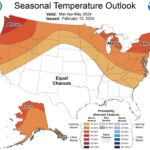
Hoosiers are hardy, but that wasn’t a quality that was important this winter. Meteorological winter—December 1 to February 29—is drawing to a close, and it doesn’t quite feel like it ever really happened. There was one notable cold weather outbreak in mid-January, but besides that, temperatures were generally at or above normal. Even when accounting…Read more about Winter: Where art thou?[Read More]

To say the last few months have been dry is a bit of an understatement. Since August 1st, only a sliver of Newton and Benton counties (northwest Indiana) and the tiniest speck of Warrick County (southwest Indiana) have had above-normal precipitation. Most of western Indiana has been near (but below) normal, while the rest of…Read more about October Favored to be Wetter than Normal[Read More]
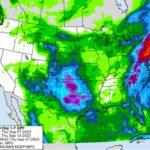
Wednesday, September 6th, was the first day in what seemed like a long, long time that rain fell across most of Indiana. Amounts ranged from a trace to around an inch. Where the rain fell was incredibly spotty (i.e., no rain within a mile or two of significant rain), highlighting the very localized nature of…Read more about Outlooks Favoring Cooler Temperatures Over Next few Weeks[Read More]
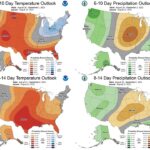
Have you ever heard of the song by Glenn Frey, “The Heat Is On”? No pun intended, but the heat is certainly on! Heat index values over 110F have made things sticky and oppressive across the state. As I drove into work on Thursday morning, the humidity was so high that I had to defrost…Read more about The Heat and Humidity Is On, But Will It Last?[Read More]

6Drought and abnormally dry conditions continue to improve across most of Indiana (Figure 1). There seem to be a few counties – particularly along the western border – that have not been getting as much rain as elsewhere. Those areas are still at least abnormally dry through August 8, 2023. However, additional rain events over…Read more about Seasonable Temperatures Expected to Continue[Read More]

As the dog days of summer continue in folklore through August 11, the temperatures and humidity have increased to heat advisory status throughout the weekly outlook. Figure 1 shows the average temperatures over the last week, reaching into uncomfortable territory. Outlooks for temperatures in the 6-10 day and 8-14 day show a probability for above…Read more about Heat Continues through the Near Future[Read More]
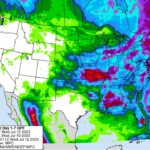
Timely rains have returned over the past few weeks and have helped crop conditions across the state. Now that we are entering critical corn and soybean growth stages, cooler temperatures and rain are certainly welcome. Although rains have returned, they continue to be inconsistent. Vigo, Sullivan, and Lawrence counties had locations receiving more than 8…Read more about Drought Conditions Continue to Improve. Will this Continue?[Read More]
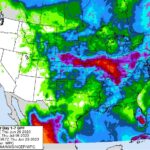
While drought has been on many people’s minds lately, Indiana has had several rain events pass through that brought much-needed moisture. Unfortunately, the entire state has not benefited evenly from these events. True to most summertime precipitation, where and when the rain falls can be quite spotty. Periodically, a nice front will pass through, but…Read more about Indiana’s Winners and Losers with Recent Precipitation[Read More]