Over the last week or so, many people have received an online offer to provide a Produce Safety Alliance Trainer – Cornell Cals Professionals List. If you receive this email, please be aware that this is not an offer for a grower list. The Produce Safety Alliance (PSA) has a publicly available list of certified trainers and…Read more about Phishing Scam Offers PSA List[Read More]
Found 1716 Articles
The deadline to apply for the Coronavirus Food Assistance Program (CFAP) 2 is December 11, 2020. This program provides direct relief to producers who continue to face market disruptions and associated costs because of COVID-19. More information about this program can be found at https://www.farmers.gov/cfap/specialty
Cornell Cooperative Extension is a partner on a Rochester Institute of Technology project that is creating new methods for manufacturing plastic mulch and promoting its field break-down. The project aims to tightly match new product development to real-world grower preferences, on-farm use patterns, and current economic constraints surrounding plastic film use. This 5-minute survey is…Read more about Plastic Mulch Survey[Read More]
On-farm Trial #1: Location: DeMotte IN Transplant date: April 24 Heating: Plants were grown in an unheated high tunnel Plant No. and plants lost: Treatment Original plant number Plants lost by June 12 Plants lost by July 20 Manny 31 19% 55% Manny/Carnivor 35 11% 34% Green 39 10% 38% Green/Carnivor 39 0% 8% Spacing:…Read more about Summary of 2020 on-farm Grafted Cucumber Trials[Read More]
Read more about Summary of 2020 on-farm Grafted Cucumber TrialsOn-farm trial #1: Location: Camden IN Transplant date: Feb. 22 2019 Heating: Plants were grown in a heated high tunnel Plant No. and plants lost: By the end of Mar. 2019, 21 out of 38 non-grafted cucumbers died. None of the 72 grafted plants died. Harvest duration: Apr. 17 – July 23 Yield: Treatment Yield…Read more about Summary of 2019 On-farm Grafted Cucumber Trials[Read More]
Read more about Summary of 2019 On-farm Grafted Cucumber TrialsUSDA is implementing Coronavirus Food Assistance Program 2 for agricultural producers who continue to face market disruptions and associated costs because of COVID-19. Here is an expanded list of fruits and vegetables eligible for CFAP2. USDA will accept CFAP 2 applications from September 21, 2020 through December 11, 2020. More information about this program can…Read more about Coronavirus Food Assistance Program 2 for Specialty Crop Producers[Read More]
A list of articles and publications are available at the Purdue Horticulture Business website. Articles range from weekly reports about prices of fruits and vegetables sold at farmers markets, the economic feasibility of plant growth regulators, the importance of relationships in the organic certified markets, and how to strategize your social media marketing. To access…Read more about Update from Purdue Horticulture Business[Read More]
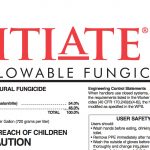
I recently had the opportunity to speak with a grower who was trying to describe what pesticides had been used in his operation. This experience made me realize how confusing it can be to pick out the proper pesticide name. This article will help to describe which pesticide name to use, using fungicide as examples. …Read more about Pesticide Names[Read More]
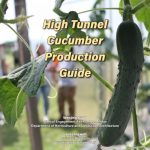
A new publication High Tunnel Cucumber Production Guide is available and can be downloaded at https://extension.entm.purdue.edu/publications/ID-521/ID-521-W.pdf This cucumber production guide provides resources and recommendations tailored to the distinctive growing environment of high tunnels. Recommendations are based on research efforts conducted in the Midwest U.S. and include cultivar selection, pruning and trellising systems, insect and mite…Read more about High Tunnel Cucumber Production Guide[Read More]
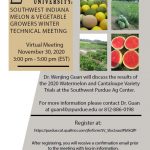
The Annual Fall/Winter Meeting of the Southwest Indiana Melon and Vegetable Growers is scheduled on Monday, November 30, 2020, 3:00 pm – 5:00 pm (EST). This meeting will be held online this year because of COVID-19 restrictions. Dr. Wenjing Guan and Dr. Dan Egel will discuss the results of the 2020 watermelon and cantaloupe variety…Read more about Southwest Indiana Melon and Vegetable Growers Winter Meeting[Read More]
Purdue University prohibits discrimination against any member of the University community on the basis of race, religion, color, sex, age, national origin or ancestry, genetic information, marital status, parental status, sexual orientation, gender identity and expression, disability, or status as a veteran. This material may be available in alternative formats. 1-888-EXT-INFO Disclaimer: Reference to products in this publication is not intended to be an endorsement to the exclusion of others which may have similar uses. Any person using products listed in this publication assumes full responsibility for their use in accordance with current directions of the manufacturer.